
A synonym for bubbly can instantly improve your vocabulary when you want to describe a cheerful person, lively personality, or sparkling drink more precisely.
Imagine meeting someone who smiles easily, talks with excitement, and makes everyone feel welcome. You might call that person bubbly, cheerful, or vivacious.
The phrase synonym for bubbly is useful for students, bloggers, content writers, and daily English users who want natural alternatives without repeating the same adjective.
Because “bubbly” sounds friendly and energetic, it appears often in conversations, profiles, reviews, stories, and casual writing. Learning alternatives adds variety.
What Does “Bubbly” Really Mean?
Bubbly is an adjective with two main meanings.
When describing a person, bubbly means cheerful, energetic, friendly, and full of positive enthusiasm.
For example:
Sarah has a bubbly personality and makes everyone laugh.
When describing a drink, bubbly means containing many small bubbles, especially because it is carbonated.
For example:
We ordered a bottle of bubbly for the celebration.
Therefore, the best synonym depends on the meaning.
For personality, words such as vivacious, cheerful, lively, ebullient, and upbeat work well.
For drinks, fizzy, sparkling, carbonated, and effervescent are more suitable.
Part of Speech: Adjective and, informally, a noun when referring to sparkling wine or another bubbly drink.
Simple Definition: Cheerful and energetic in personality, or full of bubbles when describing a drink.
Connotative Meaning
Connotation (the feeling or idea a word suggests beyond its literal meaning) is important with bubbly.
Positive tone: Bubbly usually suggests friendliness, happiness, enthusiasm, warmth, and positive energy.
Negative tone: In some contexts, calling someone bubbly can sound slightly superficial if it focuses only on cheerful behavior.
Neutral tone: When describing a drink, bubbly simply refers to carbonation or sparkling quality.
As a result, context matters when choosing an alternative.
Etymology
Bubbly comes from the word bubble, which is related to the sound and appearance of bubbles forming or bursting.
The English word bubble developed from sound-related forms in Middle English and earlier Germanic language traditions. The adjective bubbly later developed naturally from bubble + -y, meaning “full of bubbles” or “characterized by bubbles.”
The personality meaning developed metaphorically. A person with a lively, cheerful nature can seem to “bubble over” with enthusiasm and energy.
Old English: 450–1100
The modern adjective bubbly did not exist in its present form in Old English. However, English had related Germanic vocabulary describing bubbling, boiling, and movement.
Middle English: 1100–1500
Forms related to bubble appeared in Middle English. The word was associated with small air-filled spheres and bubbling movement.
Modern English: 1500–Present
The noun and verb bubble became firmly established in English. Later, bubbly developed as an adjective meaning full of bubbles. Its figurative personality meaning eventually became common in modern English.
Pronunciation
US: /ˈbʌbli/
UK: /ˈbʌbli/
Syllables
bub-bly
Affixation Pattern of Bubbly
Root: bubble
Prefix: None
Suffix: -y
The suffix -y changes the noun bubble into an adjective describing something characterized by bubbles or a bubbly quality.
Synonyms List:
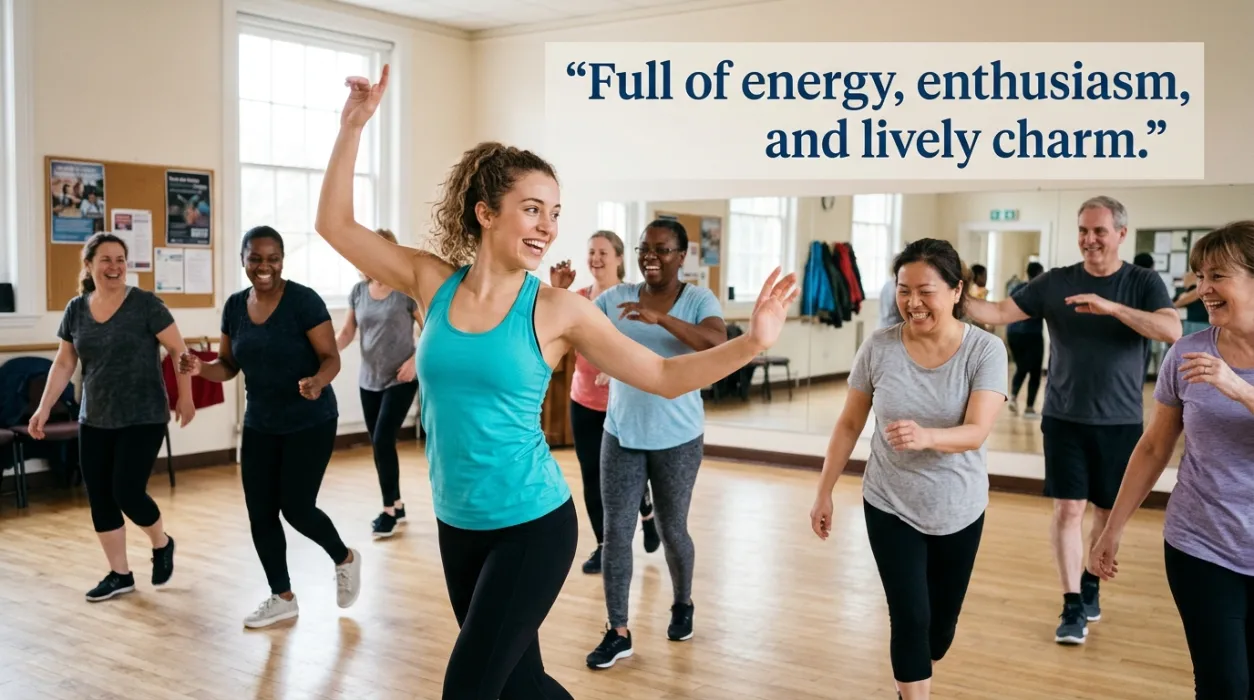
Vivacious (Adjective) — US /vɪˈveɪʃəs/ | UK /vɪˈveɪʃəs/
Meaning: Full of energy, enthusiasm, and lively charm.
Tone/Register: Positive, descriptive, slightly formal.
Example:
Her vivacious personality made the interview enjoyable.
She remained vivacious throughout the long celebration.
Effervescent (Adjective) — US /ˌefərˈvesənt/ | UK /ˌefəˈvesənt/
Meaning: Cheerful and lively, or producing bubbles in a liquid.
Tone/Register: Positive, literary, formal.
Example:
His effervescent personality attracted new friends.
The drink had an effervescent texture.
Ebullient (Adjective) — US /ɪˈbʊljənt/ | UK /ɪˈbʌliənt/
Meaning: Extremely enthusiastic, cheerful, and energetic.
Tone/Register: Formal, expressive.
Example:
She was ebullient after receiving the good news.
His ebullient mood lifted the whole team.
Vivaciously Cheerful (Adjective) — US /vɪˈveɪʃəsli ˈtʃɪrfəl/ | UK /vɪˈveɪʃəsli ˈtʃɪəfəl/
Meaning: Cheerful in a lively and energetic way.
Tone/Register: Descriptive, positive.
Example:
She greeted everyone with vivaciously cheerful energy.
Her vivaciously cheerful manner made people comfortable.
Lively (Adjective) — US /ˈlaɪvli/ | UK /ˈlaɪvli/
Meaning: Full of energy, activity, or enthusiasm.
Tone/Register: Neutral, everyday.
Example:
Maya has a lively personality.
The lively conversation continued for hours.
Cheerful (Adjective) — US /ˈtʃɪrfəl/ | UK /ˈtʃɪəfəl/
Meaning: Happy, positive, and pleasant in mood.
Tone/Register: Neutral, everyday.
Example:
She always sounds cheerful on the phone.
His cheerful attitude helped everyone relax.
Upbeat (Adjective) — US /ˈʌpbiːt/ | UK /ˈʌpbiːt/
Meaning: Positive, optimistic, and enthusiastic.
Tone/Register: Informal, modern.
Example:
She has an upbeat personality.
He stayed upbeat despite the busy schedule.
Buoyant (Adjective) — US /ˈbɔɪənt/ | UK /ˈbɔɪənt/
Meaning: Cheerful, confident, and able to remain positive.
Tone/Register: Formal, positive.
Example:
Her buoyant mood was contagious.
He remained buoyant after the unexpected setback.
Sunny (Adjective) — US /ˈsʌni/ | UK /ˈsʌni/
Meaning: Cheerful, warm, and naturally positive.
Tone/Register: Informal, warm.
Example:
She has a sunny personality.
His sunny outlook made difficult days easier.
Spirited (Adjective) — US /ˈspɪrɪtɪd/ | UK /ˈspɪrɪtɪd/
Meaning: Energetic, enthusiastic, and full of determination.
Tone/Register: Positive, neutral.
Example:
She is a spirited young teacher.
The spirited discussion continued after class.
Animated (Adjective) — US /ˈænəmeɪtɪd/ | UK /ˈænɪmeɪtɪd/
Meaning: Showing strong energy, emotion, or excitement.
Tone/Register: Neutral, descriptive.
Example:
He became animated when discussing music.
Her animated storytelling kept the children interested.
Energetic (Adjective) — US /ˌenərˈdʒetɪk/ | UK /ˌenəˈdʒetɪk/
Meaning: Having a lot of physical or mental energy.
Tone/Register: Neutral, everyday.
Example:
She is energetic and always ready to help.
The energetic host kept the audience engaged.
Enthusiastic (Adjective) — US /ɪnˌθuːziˈæstɪk/ | UK /ɪnˌθjuːziˈæstɪk/
Meaning: Showing strong excitement and interest.
Tone/Register: Neutral, professional.
Example:
He was enthusiastic about the new project.
She gave an enthusiastic response.
Exuberant (Adjective) — US /ɪɡˈzuːbərənt/ | UK /ɪɡˈzjuːbərənt/
Meaning: Very lively, joyful, and energetic.
Tone/Register: Formal, expressive.
Example:
The children were exuberant after the game.
Her exuberant personality filled the room.
Sprightly (Adjective) — US /ˈspraɪtli/ | UK /ˈspraɪtli/
Meaning: Lively, active, and cheerful.
Tone/Register: Descriptive, slightly literary.
Example:
She remained sprightly throughout the afternoon.
His sprightly personality surprised everyone.
Peppy (Adjective) — US /ˈpepi/ | UK /ˈpepi/
Meaning: Energetic, cheerful, and enthusiastic.
Tone/Register: Informal, upbeat.
Example:
The new teacher has a peppy personality.
Her peppy attitude made the class more enjoyable.
Perky (Adjective) — US /ˈpɜːrki/ | UK /ˈpɜːki/
Meaning: Cheerful, lively, and full of energy.
Tone/Register: Informal, friendly.
Example:
She sounded perky during the morning call.
His perky attitude was impossible to miss.
Chipper (Adjective) — US /ˈtʃɪpər/ | UK /ˈtʃɪpə/
Meaning: Cheerful and lively, especially in an informal setting.
Tone/Register: Informal.
Example:
She was surprisingly chipper after the long trip.
He sounded chipper despite being tired.
Jolly (Adjective) — US /ˈdʒɑːli/ | UK /ˈdʒɒli/
Meaning: Happy, cheerful, and friendly.
Tone/Register: Informal, traditional.
Example:
Our host was jolly and welcoming.
He stayed jolly throughout the celebration.
Merry (Adjective) — US /ˈmeri/ | UK /ˈmeri/
Meaning: Cheerful, happy, and full of good spirits.
Tone/Register: Informal, traditional.
Example:
Everyone was in a merry mood.
The guests became merry as the evening continued.
Joyful (Adjective) — US /ˈdʒɔɪfəl/ | UK /ˈdʒɔɪfəl/
Meaning: Feeling or expressing great happiness.
Tone/Register: Neutral, positive.
Example:
She gave a joyful laugh.
The reunion was a joyful occasion.
Gleeful (Adjective) — US /ˈɡliːfəl/ | UK /ˈɡliːfəl/
Meaning: Extremely happy and excited.
Tone/Register: Informal, expressive.
Example:
The children were gleeful after opening their gifts.
He gave a gleeful smile when he heard the news.
Lighthearted (Adjective) — US /ˌlaɪtˈhɑːrtɪd/ | UK /ˌlaɪtˈhɑːtɪd/
Meaning: Cheerful and free from serious worry.
Tone/Register: Neutral, friendly.
Example:
She has a lighthearted personality.
We enjoyed a lighthearted conversation.
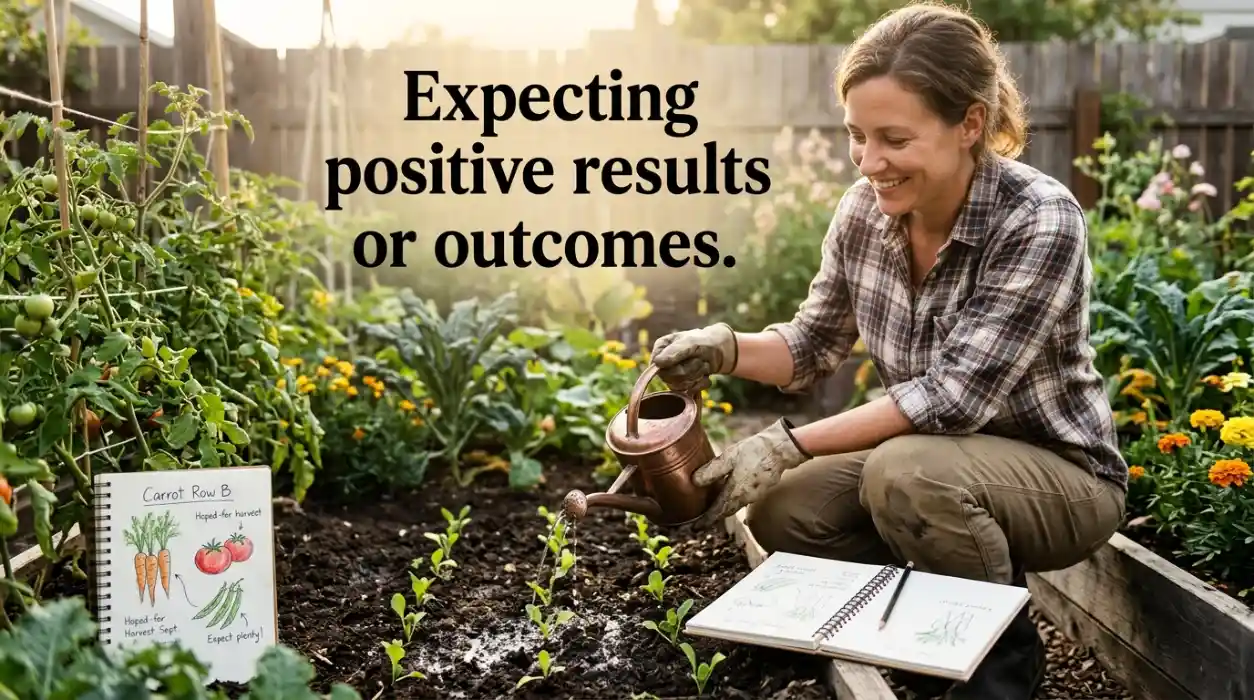
Optimistic (Adjective) — US /ˌɑːptəˈmɪstɪk/ | UK /ˌɒptɪˈmɪstɪk/
Meaning: Expecting positive results or outcomes.
Tone/Register: Neutral, professional.
Example:
He has an optimistic outlook.
Her optimistic attitude encouraged the team.
Positive (Adjective) — US /ˈpɑːzətɪv/ | UK /ˈpɒzətɪv/
Meaning: Showing confidence, hope, or a favorable attitude.
Tone/Register: Neutral, professional.
Example:
She has a very positive personality.
His positive approach helped solve the problem.
Friendly (Adjective) — US /ˈfrendli/ | UK /ˈfrendli/
Meaning: Kind, pleasant, and easy to talk to.
Tone/Register: Neutral, everyday.
Example:
She has a friendly personality.
The friendly receptionist welcomed us warmly.
Sociable (Adjective) — US /ˈsoʊʃəbəl/ | UK /ˈsəʊʃəbəl/
Meaning: Enjoying the company of other people.
Tone/Register: Neutral, descriptive.
Example:
He is naturally sociable.
Her sociable nature helped her make friends quickly.
Outgoing (Adjective) — US /ˈaʊtɡoʊɪŋ/ | UK /ˈaʊtɡəʊɪŋ/
Meaning: Friendly, confident, and comfortable around people.
Tone/Register: Informal, everyday.
Example:
She is outgoing and loves meeting new people.
His outgoing nature makes networking easy.
Warm (Adjective) — US /wɔːrm/ | UK /wɔːm/
Meaning: Friendly, kind, and emotionally welcoming.
Tone/Register: Neutral, warm.
Example:
She has a warm personality.
His warm smile made us feel welcome.
Personable (Adjective) — US /ˈpɜːrsənəbəl/ | UK /ˈpɜːsənəbəl/
Meaning: Pleasant, friendly, and easy to like or talk to.
Tone/Register: Professional, positive.
Example:
The presenter was personable and confident.
Her personable style worked well with clients.
Good-Humored (Adjective) — US /ˌɡʊdˈhjuːmərd/ | UK /ˌɡʊdˈhjuːməd/
Meaning: Cheerful, pleasant, and inclined to be friendly.
Tone/Register: Neutral, descriptive.
Example:
He is good-humored even under pressure.
Her good-humored response ended the disagreement.
Sparkling (Adjective) — US /ˈspɑːrklɪŋ/ | UK /ˈspɑːklɪŋ/
Meaning: Bright and lively, or containing bubbles like a sparkling drink.
Tone/Register: Positive, descriptive.
Example:
She has a sparkling personality.
We served sparkling water with dinner.
Radiant (Adjective) — US /ˈreɪdiənt/ | UK /ˈreɪdiənt/
Meaning: Showing great happiness, warmth, or brightness.
Tone/Register: Positive, literary.
Example:
She looked radiant after the celebration.
His radiant smile brightened the room.
Bright (Adjective) — US /braɪt/ | UK /braɪt/
Meaning: Cheerful, lively, and full of positive energy.
Tone/Register: Neutral, everyday.
Example:
She has a bright personality.
His bright smile caught everyone’s attention.
Spry (Adjective) — US /spraɪ/ | UK /spraɪ/
Meaning: Active, lively, and energetic.
Tone/Register: Informal, descriptive.
Example:
The spry host moved around the room quickly.
She remained spry throughout the busy afternoon.
High-Spirited (Adjective) — US /ˌhaɪ ˈspɪrɪtɪd/ | UK /ˌhaɪ ˈspɪrɪtɪd/
Meaning: Very lively, enthusiastic, and energetic.
Tone/Register: Positive, descriptive.
Example:
The high-spirited children filled the playground.
Her high-spirited personality was easy to remember.
Full of Life (Phrase) — US /fʊl əv laɪf/ | UK /fʊl əv laɪf/
Meaning: Extremely energetic, enthusiastic, and lively.
Tone/Register: Informal, warm.
Example:
She is young at heart and full of life.
His stories made him seem full of life.
Fizzy (Adjective) — US /ˈfɪzi/ | UK /ˈfɪzi/
Meaning: Containing or producing many small bubbles.
Tone/Register: Informal, everyday.
Example:
I prefer fizzy drinks with meals.
The lemonade was cold and fizzy.
Carbonated (Adjective) — US /ˈkɑːrbəneɪtɪd/ | UK /ˈkɑːbəneɪtɪd/
Meaning: Containing dissolved carbon dioxide that creates bubbles.
Tone/Register: Neutral, technical, everyday.
Example:
He avoids highly carbonated drinks.
The beverage is naturally carbonated.
Sparkling Water (Noun Phrase) — US /ˈspɑːrklɪŋ ˈwɔːtər/ | UK /ˈspɑːklɪŋ ˈwɔːtə/
Meaning: Water containing dissolved carbon dioxide that creates bubbles.
Tone/Register: Neutral, everyday.
Example:
She ordered sparkling water with lunch.
The restaurant serves chilled sparkling water.
Foaming (Adjective) — US /ˈfoʊmɪŋ/ | UK /ˈfəʊmɪŋ/
Meaning: Producing or covered with a mass of small bubbles.
Tone/Register: Descriptive.
Example:
The drink was foaming after being poured.
The fresh beverage had a foaming surface.
Bubbling (Adjective) — US /ˈbʌblɪŋ/ | UK /ˈbʌblɪŋ/
Meaning: Producing or containing visible bubbles.
Tone/Register: Neutral, descriptive.
Example:
The sauce was bubbling on the stove.
We watched the bubbling drink settle.
Aerated (Adjective) — US /ˈerəteɪtɪd/ | UK /ˈeəreɪtɪd/
Meaning: Containing air or gas introduced into a liquid.
Tone/Register: Technical, formal.
Example:
The beverage was lightly aerated.
Aerated water can have a refreshing texture.
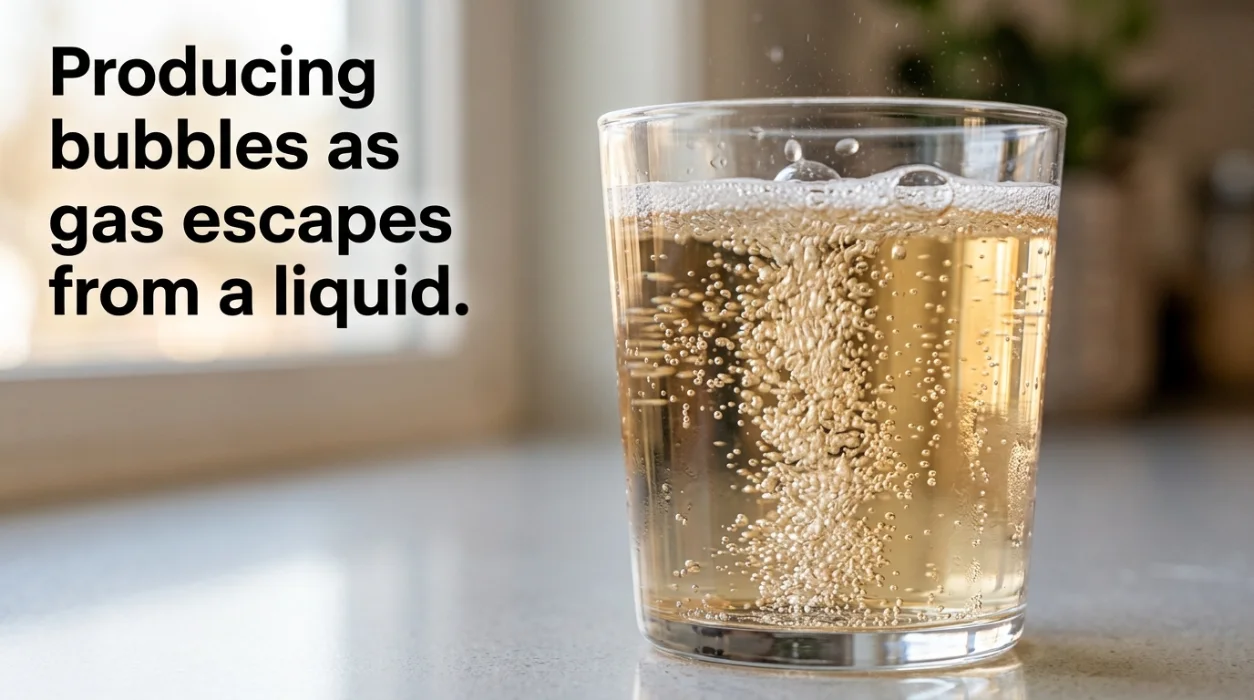
Effervescing (Adjective) — US /ˌefərˈvesɪŋ/ | UK /ˌefəˈvesɪŋ/
Meaning: Producing bubbles as gas escapes from a liquid.
Tone/Register: Formal, descriptive.
Example:
The tablet was effervescing in the glass.
The effervescing drink released a gentle fizz.
Fizzy-Feeling (Adjective) — US /ˈfɪzi ˈfiːlɪŋ/ | UK /ˈfɪzi ˈfiːlɪŋ/
Meaning: Giving a sensation similar to a carbonated or sparkling drink.
Tone/Register: Informal, descriptive.
Example:
The drink had a fizzy-feeling texture.
The sparkling beverage left a fizzy sensation.
Sparkling Personality (Phrase) — US /ˈspɑːrklɪŋ ˌpɜːrsəˈnæləti/ | UK /ˈspɑːklɪŋ ˌpɜːsəˈnæləti/
Meaning: A personality that is lively, charming, and full of energy.
Tone/Register: Positive, descriptive.
Example:
She has a sparkling personality.
His sparkling personality made the event memorable.
Cheerful-Spirited (Adjective) — US /ˈtʃɪrfəl ˈspɪrɪtɪd/ | UK /ˈtʃɪəfəl ˈspɪrɪtɪd/
Meaning: Showing both happiness and lively enthusiasm.
Tone/Register: Positive, descriptive.
Example:
She has a cheerful-spirited approach to life.
His cheerful-spirited nature helped the group relax.
Energetic and Friendly (Phrase) — US /ˌenərˈdʒetɪk ənd ˈfrendli/ | UK /ˌenəˈdʒetɪk ənd ˈfrendli/
Meaning: Describing someone who combines high energy with a pleasant social manner.
Tone/Register: Informal, descriptive.
Example:
She is energetic and friendly with every guest.
His energetic and friendly style works well with children.
Joyful-Hearted (Adjective) — US /ˈdʒɔɪfəl ˈhɑːrtɪd/ | UK /ˈdʒɔɪfəl ˈhɑːtɪd/
Meaning: Naturally happy, warm, and positive.
Tone/Register: Literary, expressive.
Example:
Her joyful-hearted nature was inspiring.
He remained joyful-hearted despite the busy week.
Exuberantly Cheerful (Phrase) — US /ɪɡˈzuːbərəntli ˈtʃɪrfəl/ | UK /ɪɡˈzjuːbərəntli ˈtʃɪəfəl/
Meaning: Extremely cheerful and energetic in expression.
Tone/Register: Expressive, literary.
Example:
She greeted the audience exuberantly, cheerful and confident.
His exuberantly cheerful manner made the room feel welcoming.
Positive-Energy (Adjective) — US /ˈpɑːzətɪv ˈenərdʒi/ | UK /ˈpɒzətɪv ˈenədʒi/
Meaning: Characterized by enthusiasm, optimism, and an uplifting attitude.
Tone/Register: Informal, modern.
Example:
She has a positive-energy personality.
His positive-energy approach encouraged the team.
Bubbly-Hearted (Adjective) — US /ˈbʌbli ˈhɑːrtɪd/ | UK /ˈbʌbli ˈhɑːtɪd/
Meaning: Warm, cheerful, and naturally enthusiastic.
Tone/Register: Creative, informal.
Example:
Her bubbly-hearted nature made everyone smile.
The character is warm and bubbly-hearted.
Synonyms by Tone
Positive
When bubbly describes personality in a complimentary way, these choices work especially well:
- Vivacious
- Effervescent
- Ebullient
- Lively
- Cheerful
- Upbeat
- Buoyant
- Sunny
- Spirited
- Exuberant
- Joyful
- Radiant
- Sparkling
- Personable
These words emphasize energy, warmth, happiness, or enthusiasm.
Neutral
These alternatives are useful when you want a clear description without sounding overly emotional:
- Energetic
- Animated
- Enthusiastic
- Friendly
- Sociable
- Outgoing
- Optimistic
- Positive
- Bright
- Cheerful
They fit everyday English, professional descriptions, and general writing.
Informal or Playful
For casual conversations, social posts, or friendly descriptions, consider:
- Peppy
- Perky
- Chipper
- Jolly
- Merry
- Spry
- Full of life
- High-spirited
These choices create a relaxed and approachable tone.
Drink-Related
When bubbly describes a beverage, personality synonyms do not work. Instead, use:
- Fizzy
- Carbonated
- Sparkling
- Effervescent
- Bubbling
- Foaming
- Aerated
- Effervescing
This distinction is important because context determines meaning.
Why Tone Matters When Choosing a Synonym
Not every alternative creates the same impression.
Calling someone cheerful sounds warm and straightforward. Calling them vivacious adds more energy and charm.
Similarly, ebullient sounds more expressive and formal, while peppy sounds casual and playful.
Therefore, choose a synonym based on your audience and purpose. A school essay may benefit from vivacious or enthusiastic, while a casual conversation may sound more natural with upbeat or cheerful.
Bubbly vs Close Alternatives
Vivacious vs Bubbly
Bubbly suggests a cheerful, friendly, and energetic personality.
Vivacious emphasizes liveliness, animation, and charm. It can sound more sophisticated.
Use bubbly in casual descriptions. Use vivacious when you want a more polished or expressive word.
Bubbly vs Cheerful
Cheerful mainly describes a happy or positive mood.
Bubbly adds energy, friendliness, and social enthusiasm.
For example, someone can be cheerful without being highly energetic. A bubbly person usually gives a stronger impression of enthusiasm.
Bubbly vs Effervescent
Effervescent is a more sophisticated alternative. It can describe both a lively personality and a fizzy liquid.
Bubbly is more casual and conversational.
Therefore, effervescent can work especially well in polished writing.
How “Bubbly” Changes by Context
Daily Conversation
In everyday speech, bubbly, cheerful, upbeat, lively, and friendly are natural choices.
For example:
“She is really bubbly.”
This sounds casual and positive.
Writing and Blogging
Bloggers can use vivacious, effervescent, radiant, lively, or sparkling to make descriptions more vivid.
For example:
“Her sparkling personality made the interview memorable.”
This sounds more descriptive than simply saying she was bubbly.
Professional or Academic Writing
In professional writing, enthusiastic, energetic, personable, positive, and outgoing are often clearer.
For example:
“She has an energetic and personable communication style.”
This sounds more precise than using bubbly in a formal report.
Creative Writing
Creative writers can use effervescent, exuberant, radiant, sunny, or sparkling to create stronger imagery.
For example:
“Her effervescent spirit brightened the quiet room.”
The word choice creates a vivid emotional picture.
Describing Drinks
For beverages, use fizzy, sparkling, carbonated, or effervescent.
For example:
“The lemonade was fizzy and refreshing.”
Here, cheerful or vivacious would obviously be incorrect.
Common Mistakes Learners Make
One common mistake is using personality synonyms for drinks.
You can say:
The soda is fizzy.
You cannot naturally say:
The soda is cheerful.
Another mistake is assuming bubbly always means “happy.” It can describe physical bubbles in liquids.
Learners also sometimes overuse bubbly in professional writing. Although the word is positive, it can sound informal or subjective.
For a professional profile, friendly, personable, enthusiastic, or outgoing may be more precise.
Native Usage Notes
Native speakers often use bubbly for people who are naturally cheerful and socially energetic.
The word is especially common in casual conversations and personal descriptions.
However, bubbly can sometimes sound overly general. If you want to explain exactly why someone seems bubbly, choose a more specific word.
For example:
Bubbly: She has a bubbly personality.
More precise: She is enthusiastic, outgoing, and naturally friendly.
The second version gives the reader more information.
Real-Life Mini Scenarios
Workplace
A manager might describe a colleague as personable and energetic when praising their communication skills.
Social Situation
A friend may say someone is bubbly, cheerful, or upbeat because they make conversations feel enjoyable.
Media and Pop Culture
A television host might be described as vivacious, animated, or sparkling because of their energetic presence.
Writing and Storytelling
A novelist may choose effervescent or exuberant to give a character a distinctive personality.
Drinks
At a celebration, someone might ask for sparkling water or describe a soda as fizzy.

Interactive Practice Quiz
1. Which word best describes a very cheerful and energetic person?
A) Carbonated
B) Vivacious
C) Foaming
D) Aerated
2. Which alternative is most natural for a fizzy soft drink?
A) Cheerful
B) Outgoing
C) Fizzy
D) Personable
3. Which word sounds more formal than bubbly?
A) Effervescent
B) Peppy
C) Chipper
D) Perky
4. Which word best describes someone who enjoys meeting people?
A) Sociable
B) Carbonated
C) Sparkling water
D) Bubbling
5. Which synonym suggests strong enthusiasm?
A) Ebullient
B) Quiet
C) Serious
D) Reserved
6. Which word is especially suitable for casual conversation?
A) Peppy
B) Systematic
C) Technical
D) Academic
7. Which word best describes an optimistic attitude?
A) Upbeat
B) Foaming
C) Aerated
D) Bubbling
8. Which word can describe both a lively personality and a fizzy drink?
A) Effervescent
B) Friendly
C) Sociable
D) Outgoing
9. Which synonym sounds appropriate for professional writing?
A) Personable
B) Chipper
C) Perky
D) Jolly
10. Which word describes a drink containing dissolved carbon dioxide?
A) Vivacious
B) Carbonated
C) Spirited
D) Radiant
11. Which alternative emphasizes friendliness and warmth?
A) Friendly
B) Foaming
C) Fizzy
D) Aerated
12. Which word suggests someone is very lively and energetic?
A) Sprightly
B) Reserved
C) Quiet
D) Solemn
13. Which word is best for someone who stays positive during difficulties?
A) Buoyant
B) Bubbling
C) Carbonated
D) Foaming
14. Which word can describe a bright and charming personality?
A) Sparkling
B) Aerated
C) Fizzy
D) Carbonated
15. Which phrase best describes someone with lots of energy and enthusiasm?
A) Full of life
B) Full of bubbles
C) Carbonated personality
D) Aerated personality
Answer Key: 1-B, 2-C, 3-A, 4-A, 5-A, 6-A, 7-A, 8-A, 9-A, 10-B, 11-A, 12-A, 13-A, 14-A, 15-A
Reflection Task
Choose one synonym from the article and write a sentence describing a person, drink, character, or real-life situation. Then explain why that word fits better than “bubbly.”
FAQs
1. What is the best synonym for bubbly when describing a person?
The best synonym depends on the quality you want to emphasize. Cheerful focuses on happiness, lively highlights energy, outgoing emphasizes social confidence, and vivacious suggests lively charm. If you want a polished alternative that closely captures a bubbly personality, effervescent is an excellent choice.
2. What is a professional word for bubbly personality?
For professional writing, personable, enthusiastic, energetic, outgoing, or positive are usually better choices. They describe useful workplace qualities without sounding overly casual. For example, instead of saying “She has a bubbly personality,” a professional profile could say, “She has an energetic and personable communication style.”
3. What is the difference between bubbly and effervescent?
Both words can describe lively personalities, but effervescent sounds more sophisticated and literary. It can also describe a drink that produces bubbles. Bubbly is more casual and common in everyday conversation. Therefore, use bubbly for a friendly conversational tone and effervescent when you want a more polished description.
4. What is a good synonym for bubbly in a resume?
A resume usually benefits from specific professional qualities rather than the informal word bubbly. Depending on the role, use personable, enthusiastic, energetic, outgoing, positive, or approachable. These words communicate useful interpersonal qualities while maintaining a professional tone.
5. What is the best synonym for bubbly for a drink?
For a drink, the strongest alternatives are fizzy, sparkling, carbonated, and effervescent. The choice depends on context. “Fizzy” is casual, “carbonated” is precise, “sparkling” sounds polished, and “effervescent” is more descriptive or formal.
6. Can bubbly have a negative meaning?
Usually, bubbly is positive, especially when describing a friendly and energetic person. However, context can make it sound slightly superficial if the speaker uses it to describe someone only by their cheerful behavior. In professional or serious writing, a more specific word such as enthusiastic, personable, or energetic may communicate the intended quality better.
7. Is bubbly an informal word?
Yes, bubbly is generally informal and conversational when describing personality. It is common in everyday speech, social descriptions, interviews, and casual writing. In formal or academic contexts, alternatives such as enthusiastic, vivacious, energetic, personable, or effervescent may sound more appropriate.
8. How can I avoid repeating bubbly in my writing?
First, identify the exact quality you mean. If you mean happiness, use cheerful. If you mean social confidence, try outgoing or sociable. For drinks, use fizzy, sparkling, or carbonated. This approach makes your writing more precise instead of simply replacing one word randomly.
Conclusion
Learning a synonym for bubbly helps you describe happiness, energy, friendliness, and sparkling qualities with greater accuracy and style in everyday English.
Words like cheerful, vivacious, lively, upbeat, effervescent, and energetic each express a slightly different shade of meaning.
For bloggers, students, and content writers, these alternatives prevent repetition and make descriptions more vivid. They also help speakers choose words that match the situation.
Keep practicing these alternatives in emails, essays, conversations, and creative writing. Try one new word each day and notice how naturally your vocabulary grows.

Shahzeena Shazadi is the founder and lead writer at VocablyHub.com, where she creates accurate, reader-focused English language content designed to help people communicate with clarity and confidence. She specializes in synonyms, antonyms, word meanings, idioms, and practical vocabulary guides that simplify complex language concepts for everyday use. Every article is carefully researched, fact-checked, and written in clear, accessible language using reliable references and real-world examples. Her goal is to provide helpful, trustworthy content that supports learners at every stage of their English language journey.
Her editorial approach focuses on accuracy, transparency, and user value while following modern content quality standards. She regularly reviews and updates content to keep information relevant, useful, and easy to understand. Through VocablyHub.com, Shahzeena Shazadi is committed to publishing reliable language resources that help students, writers, educators, professionals, and English learners expand their vocabulary, improve their writing skills, and communicate with confidence in academic, professional, and everyday situations.