
Finding the right words to describe physical affection can make your English more natural, expressive, and precise. Synonyms for petting can help you choose different expressions depending on the situation, tone, and relationship between people or animals. While “petting” commonly refers to gently touching or stroking someone or an animal, its alternatives can carry slightly different meanings.
Understanding synonyms for petting is especially useful for English learners, writers, and anyone looking to expand their everyday vocabulary. Words such as stroking, caressing, cuddling, fondling, and patting may seem similar, but each one has its own appropriate context and level of affection.
The meaning of “petting” can also change depending on the subject and situation. For example, you might pet a dog to show affection, stroke a cat gently, or use a different expression when describing affectionate physical contact between people. Choosing the right alternative helps your writing sound clearer and more natural.
In this guide, we will explore useful synonyms for petting, along with their meanings, pronunciations, parts of speech, and example sentences. Whether you are improving your vocabulary or searching for a more precise word, these alternatives will help you communicate your intended meaning effectively.
What Does “Petting” Really Mean?
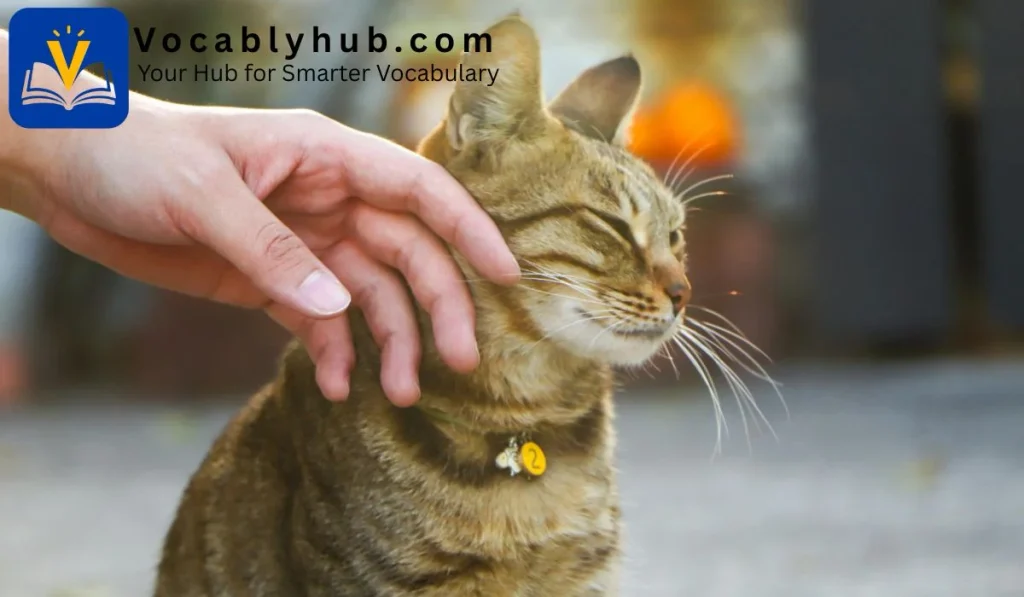
Petting means touching or stroking an animal or person in a loving, gentle way. Native speakers understand it as a warm gesture of comfort, care, and affection.
It commonly appears in contexts involving pets, romantic relationships, or comforting a child. As a verb or gerund noun, it describes slow, rhythmic hand movements on skin or fur.
Connotative Meaning
The emotional tone of petting is usually tender and affectionate (connotation refers to the secondary or emotional feeling associated with a word beyond its literal dictionary definition).
- Positive tone: It feels safe, soothing, and deeply loving.
- Negative tone: It can occasionally sound overly familiar or invasive if used in professional settings.
- Neutral tone: It describes a simple physical action without strong emotional weight.
Etymology
The root comes from the Middle English word “pet,” meaning a spoiled animal or favorite person.
- Old English (450–1100): The root concept started from regional terms for spoiled creatures.
- Middle English (1100–1500): The noun evolved to describe a favored animal or pampered pet.
- Modern English (1500–Present): It expanded into a verb describing the act of stroking or caressing.
Pronunciation (US & UK – IPA)
- US: /ˈpɛtɪŋ/
- UK: /ˈpɛtɪŋ/
Syllables
pet-ting
Affixation Pattern
- Root: pet
- Prefix: None
- Suffix: -ing (present participle/gerund marker)
Synonyms for Petting

Stroking (Verb) — US: /ˈstroʊkɪŋ/ / UK: /ˈstrəʊkɪŋ/
- Meaning: Moving a hand gently and repeatedly over a surface.
- Tone/Register: Neutral, descriptive
- Example: She spent hours stroking the soft fur of her rescue cat.
- Example: Gentle stroking helps calm an anxious dog during thunderstorms.
Caressing (Verb) — US: /kəˈrɛsɪŋ/ / UK: /kəˈrɛsɪŋ/
- Meaning: Touching or stroking someone lovingly and gently.
- Tone/Register: Formal, romantic
- Example: He stood by the window, softly caressing her cheek.
- Example: Tender caressing expresses deep emotional attachment between partners.
Cuddling (Verb) — US: /ˈkʌdəlɪŋ/ / UK: /ˈkʌdəlɪŋ/
- Meaning: Holding close in one’s arms for warmth or affection.
- Tone/Register: Informal, warm
- Example: The family spent Sunday morning cuddling on the cozy living room sofa.
- Example: Cuddling a newborn baby brings immense joy to new parents.
Snuggling (Verb) — US: /ˈsnʌɡəlɪŋ/ / UK: /ˈsnʌɡəlɪŋ/
- Meaning: Settling into a warm, comfortable position close to someone.
- Tone/Register: Informal, cozy
- Example: They enjoyed snuggling under a heavy woolen blanket during the cold winter night.
- Example: Snuggling close to a loved one melts away daily stress instantly.
Patting (Verb) — US: /ˈpætɪŋ/ / UK: /ˈpætɪŋ/
- Meaning: Touching gently with the flat of the hand.
- Tone/Register: Casual, friendly
- Example: The teacher offered a reassuring pat on the student’s shoulder.
- Example: Friendly patting on the back shows encouragement and support.
Rubbing (Verb) — US: /ˈrʌbɪŋ/ / UK: /ˈrʌbɪŋ/
- Meaning: Moving one’s hand back and forth with pressure.
- Tone/Register: Everyday, practical
- Example: He enjoyed rubbing the golden retriever behind its floppy ears.
- Example: Gentle rubbing helps soothe sore muscles after a long workout.
Fondling (Verb) — US: /ˈfɑndəlɪŋ/ / UK: /ˈfɒndəlɪŋ/
- Meaning: Stroking or handling amorously or affectionately.
- Tone/Register: Intimate, literary
- Example: The old photograph showed a couple fondly holding hands.
- Example: Literary writers use careful, fondling descriptions to show deep romance.
Hugging (Verb) — US: /ˈhʌɡɪŋ/ / UK: /ˈhʌɡɪŋ/
- Meaning: Squeezing someone tightly in one’s arms as a greeting or comfort.
- Tone/Register: Warm, sociable
- Example: Warm hugging welcomes guests at the front door.
- Example: Tight hugging provides emotional strength during hard times.
Embracing (Verb) — US: /ɛmˈbreɪsɪŋ/ / UK: /ɪmˈbreɪsɪŋ/
- Meaning: Holding someone closely in arms as an expression of affection.
- Tone/Register: Expressive, literary
- Example: The long-lost friends stood embracing in the busy airport terminal.
- Example: Embracing new ideas helps people grow personally and professionally.
Nuzzling (Verb) — US: /ˈnʌzəlɪŋ/ / UK: /ˈnʌzəlɪŋ/
- Meaning: Rubbing gently against someone with the nose or face.
- Tone/Register: Affectionate, animalistic
- Example: The tiny kitten started nuzzling against my warm neck.
- Example: Gentle nuzzling is how horses show trust in each other.
Massaging (Verb) — US: /məˈsɑʒɪŋ/ / UK: /ˈmæsɑːʒɪŋ/
- Meaning: Pressing and rubbing muscles to relieve tension.
- Tone/Register: Therapeutic, professional
- Example: She spent ten minutes massaging her tired shoulders.
- Example: Professional massaging improves blood circulation throughout the body.
Handling (Verb) — US: /ˈhændlɪŋ/ / UK: /ˈhændlɪŋ/
- Meaning: Touching, holding, or managing with the hands.
- Tone/Register: Objective, careful
- Example: Careful handling keeps fragile antique ceramics safe from breaking.
- Example: Proper animal handling prevents accidental scratches during vet visits.
Touching (Verb) — US: /ˈtʌtʃɪŋ/ / UK: /ˈtʌtʃɪŋ/
- Meaning: Coming into physical contact with an object or person.
- Tone/Register: General, universal
- Example: Avoid touching the wet paint on the newly decorated wall.
- Example: Gentle touching reassures frightened animals in shelters.
Dallying (Verb) — US: /ˈdæliɪŋ/ / UK: /ˈdæliɪŋ/
- Meaning: Acting slowly or amorously playing around.
- Tone/Register: Literary, archaic
- Example: They spent the afternoon dallying in the sunlit garden.
- Example: Romantic poets often wrote about lovers dallying near rivers.
Squeezing (Verb) — US: /ˈskwiːzɪŋ/ / UK: /ˈskwiːzɪŋ/
- Meaning: Firmly pressing something with fingers or hands.
- Tone/Register: Casual, physical
- Example: Give my hand a gentle squeeze if you feel nervous.
- Example: Squeezing stress balls helps relieve daily workplace anxiety.
Fondling (Verb) — US: /ˈfɑndəlɪŋ/ / UK: /ˈfɒndəlɪŋ/
- Meaning: Touching or stroking with continuous affection.
- Tone/Register: Intimate, tactile
- Example: She spent the quiet evening fondling her vintage velvet ribbon.
- Example: Soft fondling of the fabric brought back warm childhood memories.
Patting (Verb) — US: /ˈpætɪŋ/ / UK: /ˈpætɪŋ/
- Meaning: Tapping gently with an open palm.
- Tone/Register: Casual, friendly
- Example: He walked by, gently patting his teammate on the back.
- Example: Friendly patting helps reassure a nervous child before class.
Massaging (Verb) — US: /məˈsɑʒɪŋ/ / UK: /məˈsɑːzɪŋ/
- Meaning: Kneading and rubbing muscles to ease physical tension.
- Tone/Register: Therapeutic, professional
- Example: The physical therapist started massaging the injured shoulder.
- Example: Daily massaging improves blood circulation and relieves stress.
Scratching (Verb) — US: /ˈskrætʃɪŋ/ / UK: /ˈskrætʃɪŋ/
- Meaning: Using fingernails lightly on a surface or skin.
- Tone/Register: Casual, everyday
- Example: The puppy leaned in while I was scratching behind its ears.
- Example: Gentle scratching relieves an itch on the dog’s thick coat.
Grooming (Verb) — US: /ˈɡruːmɪŋ/ / UK: /ˈɡruːmɪŋ/
- Meaning: Brushing and cleaning an animal’s fur or coat.
- Tone/Register: Practical, routine
- Example: Regular grooming keeps the golden retriever’s coat shiny and clean.
- Example: Daily grooming sessions build strong trust between pets and owners.
Palming (Verb) — US: /ˈpɑlmɪŋ/ / UK: /ˈpɑːlmɪŋ/
- Meaning: Holding or resting the flat hand gently against something.
- Tone/Register: Descriptive, physical
- Example: He stood there palming the smooth surface of the wooden desk.
- Example: Palming the warm mug helped thaw his freezing fingers.

Fingering (Verb) — US: /ˈfɪŋɡərɪŋ/ / UK: /ˈfɪŋɡərɪŋ/
- Meaning: Touching or examining something lightly with the fingers.
- Tone/Register: Careful, focused
- Example: She sat quietly, fingering the edges of her old photograph.
- Example: Nervous speakers often start fingering objects in their pockets.
Touching (Verb) — US: /ˈtʌtʃɪŋ/ / UK: /ˈtʌtʃɪŋ/
- Meaning: Making light physical contact with a hand or finger.
- Tone/Register: General, neutral
- Example: Please avoid touching the delicate petals of the rare orchid.
- Example: Gentle touching reassures frightened shelter animals instantly.
Brushing (Verb) — US: /ˈbrʌʃɪŋ/ / UK: /ˈbrʌʃɪŋ/
- Meaning: Passing a hand or tool lightly across a surface.
- Tone/Register: Light, casual
- Example: She walked past, lightly brushing his shoulder in the hallway.
- Example: Brushing the horse’s mane removes dust after a long ride.
Tapping (Verb) — US: /ˈtæpɪŋ/ / UK: /ˈtæpɪŋ/
- Meaning: Striking something lightly and repeatedly.
- Tone/Register: Rhythmic, casual
- Example: He kept tapping the kitten’s chin playfully with one finger.
- Example: Soft tapping gets the cat’s attention without startling it.
Kneading (Verb) — US: /ˈniːdɪŋ/ / UK: /ˈniːdɪŋ/
- Meaning: Pressing and massaging with hands in a rhythmic motion.
- Tone/Register: Descriptive, physical
- Example: The happy cat started kneading my lap with its soft paws.
- Example: Rhythmic kneading shows that the feline feels completely safe.
Tickling (Verb) — US: /ˈtɪkəlɪŋ/ / UK: /ˈtɪkəlɪŋ/
- Meaning: Touching lightly to cause laughter or twitching reactions.
- Tone/Register: Playful, lighthearted
- Example: She enjoyed tickling the puppy’s tummy until it wagged its tail.
- Example: Playful tickling brings instant joy to young children and pets.
Smoothing (Verb) — US: /ˈsmuːðɪŋ/ / UK: /ˈsmuːðɪŋ/
- Meaning: Flattening or making a surface even with the hand.
- Tone/Register: Neat, practical
- Example: He spent a moment smoothing down the dog’s ruffled fur.
- Example: Smoothing the blanket makes the cozy reading nook look tidy.
Handling (Verb) — US: /ˈhændlɪŋ/ / UK: /ˈhændlɪŋ/
- Meaning: Managing or touching an object or animal with hands.
- Tone/Register: Careful, practical
- Example: Proper animal handling prevents accidental scratches during checkups.
- Example: Gentle handling keeps fragile items secure during transport.
Trailing (Verb) — US: /ˈtreɪlɪŋ/ / UK: /ˈtreɪlɪŋ/
- Meaning: Dragging or moving a hand lightly along a surface.
- Tone/Register: Literary, graceful
- Example: She walked down the garden path, trailing her fingers along the hedge.
- Example: Trailing fingers through water is a relaxing summer pastime.
Pressing (Verb) — US: /ˈprɛsɪŋ/ / UK: /ˈprɛsɪŋ/
- Meaning: Applying steady physical force with a hand.
- Tone/Register: Direct, physical
- Example: He leaned down, pressing a warm hand against the puppy’s back.
- Example: Steady pressing helps calm an overexcited dog down.
Sliding (Verb) — US: /ˈslaɪdɪŋ/ / UK: /ˈslaɪdɪŋ/
- Meaning: Moving a hand smoothly across a surface without lifting it.
- Tone/Register: Smooth, fluid
- Example: Sliding her palm across the horse’s flank calmed the animal.
- Example: Smooth sliding motions prevent startling resting creatures.
Clasping (Verb) — US: /ˈklæspɪŋ/ / UK: /ˈklɑːspɪŋ/
- Meaning: Grasping tightly with hands or arms.
- Tone/Register: Protective, close
- Example: She sat on the porch, clasping the small rabbit in her arms.
- Example: Clasping a pet tightly provides mutual comfort during storms.
Cupping (Verb) — US: /ˈkʌpɪŋ/ / UK: /ˈkʌpɪŋ/
- Meaning: Shaping the hand into a curved form around something.
- Tone/Register: Tender, protective
- Example: He stood cupping the tiny bird gently in his palms.
- Example: Cupping the kitten’s face keeps it warm and secure.
Cradle-holding (Verb) — US: /ˈkreɪdəl ˈhoʊldɪŋ/ / UK: /ˈkreɪdəl ˈhəʊldɪŋ/
- Meaning: Supporting a small creature securely in your arms like a baby.
- Tone/Register: Nurturing, gentle
- Example: She spent hours cradle-holding the injured squirrel.
- Example: Safe cradle-holding calms frightened wildlife instantly.
Sweeping (Verb) — US: /ˈswiːpɪŋ/ / UK: /ˈswiːpɪŋ/
- Meaning: Moving the hand in a wide, smooth arc over a surface.
- Tone/Register: Expressive, broad
- Example: He gave the dog’s back a sweeping stroke with his hand.
- Example: Sweeping gestures cover larger areas of thick fur quickly.
Warming (Verb) — US: /ˈwɔrmɪŋ/ / UK: /ˈwɔːmɪŋ/
- Meaning: Using hand heat to comfort or revive cold skin or fur.
- Tone/Register: Caring, practical
- Example: She spent minutes warming the shivering kitten in her palms.
- Example: Gentle warming helps revive cold pets after winter walks.
Calming (Verb) — US: /ˈkɑlmɪŋ/ / UK: /ˈkɑːmɪŋ/
- Meaning: Using soothing touches to reduce panic or fear.
- Tone/Register: Therapeutic, gentle
- Example: Soft touching acts as a calming technique for shelter dogs.
- Example: Calming strokes lower the heart rate of frightened animals.
Soothing (Verb) — US: /ˈsuðɪŋ/ / UK: /ˈsuːðɪŋ/
- Meaning: Alleviating pain or distress through gentle touch.
- Tone/Register: Comforting, tender
- Example: She spent the afternoon soothing the anxious puppy with touches.
- Example: Soothing motions make vet visits much easier for pets.
Nurturing (Verb) — US: /ˈnɜrtʃərɪŋ/ / UK: /ˈnɜːtʃərɪŋ/
- Meaning: Caring for and encouraging growth through affectionate touch.
- Tone/Register: Warm, supportive
- Example: Nurturing touches help rescue animals learn to trust humans again.
- Example: Daily nurturing builds lifelong bonds between owners and pets.
Coddling (Verb) — US: /ˈkɑdəlɪŋ/ / UK: /ˈkɒdəlɪŋ/
- Meaning: Treating with extreme care or indulgence.
- Tone/Register: Affectionate, protective
- Example: She loves coddling her spoiled lapdog on chilly evenings.
- Example: Excessive coddling can sometimes make pets overly dependent.
Pampering (Verb) — US: /ˈpæmpərɪŋ/ / UK: /ˈpæmpərɪŋ/
- Meaning: Treating with great comfort and affectionate attention.
- Tone/Register: Indulgent, cozy
- Example: Weekend mornings involve pampering the cat with endless brushing.
- Example: Pampering your pets shows appreciation for their constant loyalty.
Resting (Verb) — US: /ˈrɛstɪŋ/ / UK: /ˈrɛstɪŋ/
- Meaning: Placing a hand lightly and motionlessly on a surface.
- Tone/Register: Calm, still
- Example: He sat quietly, resting his hand on the golden retriever’s head.
- Example: Resting a palm on a pet’s chest helps monitor its breathing.
Guiding (Verb) — US: /ˈɡaɪdɪŋ/ / UK: /ˈɡaɪdɪŋ/
- Meaning: Directing movement with light physical pressure.
- Tone/Register: Helpful, gentle
- Example: She used gentle guiding touches to lead the blind dog safely.
- Example: Soft guiding prevents pets from bumping into furniture.
Directing (Verb) — US: /dəˈrɛktɪŋ/ / UK: /daɪˈrɛktɪŋ/
- Meaning: Using subtle hand cues to show an animal where to move.
- Tone/Register: Focused, instructional
- Example: Trainer-led directing involves careful hand movements near the collar.
- Example: Clear direction helps puppies learn basic commands faster.
Synonyms for “Petting” by Tone
Choosing the right word depends heavily on your intended context. Understanding tone prevents awkward social moments in your writing.
- Positive / Warm: Cuddling, snuggling, hugging, embracing, nuzzling
- Neutral / Descriptive: Stroking, patting, rubbing, touching, handling
- Intimate / Romantic: Caressing, fondling, dallying
- Therapeutic / Practical: Massaging, squeezing
Tone matters because using an overly intimate word in a casual setting creates confusion. Matching your vocabulary to the exact mood keeps your communication clear and effective.
Mini Comparison
Stroking vs. Caressing vs. Cuddling
- Stroking focuses on the physical hand motion across a surface, often used for animals or hair.
- Caressing adds a strong layer of romantic or deeply affectionate emotion between humans.
- Cuddling involves full-body closeness and holding someone tightly for warmth and comfort.
Use stroking for a cat, caressing for a romantic partner’s face, and cuddling for watching a movie on the couch.
Context-Based Usage
In daily conversation, speakers prefer simple terms like hugging or petting when talking about pets. Casual chats do not require fancy vocabulary unless you want to add specific emotional flavor.
When writing stories or blog posts, descriptive words like caressing or nuzzling paint vivid mental pictures. Rich verbs transform a boring sentence into a memorable, immersive experience for readers.
Professional or academic writing rarely uses petting unless discussing animal behavior science. Researchers prefer precise terms like tactile stimulation or physical handling in formal studies.
Common Mistakes and Native Usage
Common Mistakes Learners Make
- Misusing intimate words like caressing when talking about casual animal care.
- Overusing the same verb repeatedly across an entire essay or blog post.
- Confusing physical touch terms with emotional support terminology.
Register Notes
- Informal spoken English favors short, cozy verbs like snuggling and hugging.
- Written literature benefits from varied sensory verbs like stroking and embracing.
Real-Life Mini Scenarios
- Workplace: An animal shelter volunteer gently practices safe handling techniques with nervous dogs.
- Social Situations: Close friends share a warm hug to celebrate a joyful reunion at the station.
- Media / Pop Culture: A romantic movie scene shows actors softly caressing each other under the moonlight.
- Writing / Storytelling: The author described the sleepy kitten nuzzling against the warm fireplace rug.
Conclusion
Choosing the right word can make your English more natural and expressive. Synonyms for petting, such as stroking, caressing, cuddling, patting, and fondling, can describe different forms of gentle touch and affection, depending on the context.
Learning synonyms for petting also helps you avoid repetition in everyday conversations and writing. However, these alternatives are not always interchangeable, so it is important to consider the situation, tone, and intended meaning before using one.
Overall, understanding synonyms for petting can strengthen your vocabulary and help you express affection or gentle physical contact more precisely. By learning their meanings and practicing them in sentences, you can confidently choose the most suitable word for each context.

Interactive Practice Quiz
- Which synonym best describes a cat rubbing its face against your hand?
- A) Massaging
- B) Nuzzling
- C) Squeezing
- D) Handling
- Which word fits a romantic couple holding each other closely?
- A) Patting
- B) Caressing
- C) Rubbing
- D) Touching
- What is the best word for holding someone tightly on a sofa?
- A) Cuddling
- B) Dallying
- C) Handling
- D) Stroking
- Which term is most appropriate for a professional therapeutic back treatment?
- A) Fondling
- B) Massaging
- C) Petting
- D) Nuzzling
- What word describes moving a hand gently across dog fur?
- A) Squeezing
- B) Stroking
- C) Dallying
- D) Embracing
- Which synonym carries the most formal or literary romance tone?
- A) Caressing
- B) Rubbing
- C) Patting
- D) Touching
- What action describes a quick, friendly tap on someone’s shoulder?
- A) Cuddling
- B) Patting
- C) Nuzzling
- D) Embracing
- Which word describes holding people together warmly after a long separation?
- A) Handling
- B) Embracing
- C) Massaging
- D) Rubbing
- What is a common physical action to relieve hand stress?
- A) Squeezing
- B) Dallying
- C) Caressing
- D) Stroking
- Which term is best used for careful scientific animal care?
- A) Cuddling
- B) Handling
- C) Nuzzling
- D) Snuggling
- Reflection Task: Write one short sentence using the word “snuggling” to describe a cozy evening at home.
Answer Key: B, B, A, A, B, A, A, B, A, B
FAQs
1. What are the best synonyms for petting a dog?
The best words for petting a dog include stroking, rubbing, and patting. These terms describe gentle hand movements on fur without sounding overly formal or romantic, keeping your communication natural and accurate for animal care contexts.
2. Can petting be used for human relationships?
Yes, petting describes gentle physical touch between humans, though it often carries specific connotations depending on the context. In modern English, words like caressing, hugging, or cuddling are usually preferred for human affection.
3. Is petting a formal English word?
Petting is casual and common in everyday speech, especially regarding animals or family affection. In professional or academic writing, researchers use terms like tactile interaction or physical touch instead.
4. How do I choose between stroking and caressing?
Use stroking when describing a simple mechanical motion over fur, hair, or objects. Choose caressing when you want to highlight romantic, tender, or deeply emotional human touch.
5. Why is expanding touch vocabulary important?
Learning varied synonyms prevents repetitive writing and helps you match the exact emotional tone you want. Precise word choice makes storytelling and descriptive writing much more vivid.

Shahzeena Shazadi is the founder and lead writer at VocablyHub.com, where she creates accurate, reader-focused English language content designed to help people communicate with clarity and confidence. She specializes in synonyms, antonyms, word meanings, idioms, and practical vocabulary guides that simplify complex language concepts for everyday use. Every article is carefully researched, fact-checked, and written in clear, accessible language using reliable references and real-world examples. Her goal is to provide helpful, trustworthy content that supports learners at every stage of their English language journey.
Her editorial approach focuses on accuracy, transparency, and user value while following modern content quality standards. She regularly reviews and updates content to keep information relevant, useful, and easy to understand. Through VocablyHub.com, Shahzeena Shazadi is committed to publishing reliable language resources that help students, writers, educators, professionals, and English learners expand their vocabulary, improve their writing skills, and communicate with confidence in academic, professional, and everyday situations.