
A synonym for idle can make a big difference when you want to describe someone or something that is not active. The right word adds precision.
Imagine a computer sitting unused for hours. You could call it idle, but words like inactive or unused may fit even better.
The phrase “synonym for idle” is useful for students, bloggers, writers, and everyday English users. It helps make simple ideas more exact.
Moreover, learning alternatives to idle improves speaking and writing. You can choose a word that sounds natural, formal, professional, or casual.
What Does “Idle” Really Mean?
Idle means not active, not being used, or not doing anything productive.
It can describe people, machines, vehicles, businesses, time, systems, land, or objects. However, its meaning changes slightly with context.
For example, an idle worker is not currently working. An idle machine is switched on or available but not operating. An idle afternoon is time spent without a particular activity.
The word can also suggest laziness when it describes a person. Therefore, saying “He is idle” may sound more critical than simply saying “He is resting.”
Part of Speech
Idle is mainly an adjective and a verb.
- Adjective: The machine is idle.
- Verb: The engine idled quietly.
- Noun: “Idle” is less commonly used as a noun in modern general English.
Easy Definition
Idle: not active, not working, or not being used.
Connotative Meaning
Connotation (the feeling or attitude associated with a word beyond its basic meaning) matters when choosing an alternative.
Positive tone:
Idle can sometimes suggest peaceful downtime, especially when describing a relaxed moment.
Negative tone:
When used for a person, idle may suggest laziness, wasted time, or a lack of effort.
Neutral tone:
For machines, systems, or objects, idle usually means simply inactive or unused.
Etymology of “Idle”
The word idle comes from Old English, where īdel meant “empty,” “worthless,” “vain,” or “useless.”
Old English: 450–1100
Old English īdel was used for things that were empty, useless, or without value. It could also describe wasted time or unproductive behavior.
Middle English: 1100–1500
The spelling developed into forms such as idel and ydel. The meaning continued to involve ideas of emptiness, uselessness, and inactivity.
Modern English: 1500–Present
Over time, idle developed its modern meanings. Today, it commonly describes something inactive, unused, or temporarily not operating.
Pronunciation (US & UK – IPA)
- US: /ˈaɪdəl/
- UK: /ˈaɪdəl/
Syllables
i-dle
Affixation Pattern of Idle
Root: idle
Prefix: None
Suffix: None
The word is a basic lexical form rather than a modern prefixed or suffixed formation.
Synonyms List:
Inactive (Adjective) — US /ˌɪnˈæktɪv/ — UK /ˌɪnˈæktɪv/
Meaning: Not currently active, operating, or involved in an activity.
Tone/Register: Neutral; common in everyday and professional English.
Example: The account has been inactive for several months.
The old printer is inactive but still connected.

Unoccupied (Adjective) — US /ˌʌnˈɑːkjəpaɪd/ — UK /ˌʌnˈɒkjʊpaɪd/
Meaning: Not being used, filled, or occupied at a particular time.
Tone/Register: Neutral; formal and everyday.
Example: Several desks remained unoccupied after lunch.
The room was unoccupied all weekend.
Unused (Adjective) — US /ˌʌnˈjuːzd/ — UK /ˌʌnˈjuːzd/
Meaning: Not currently being used or put into action.
Tone/Register: Neutral; very common.
Example: The unused equipment gathered dust in storage.
She found an unused notebook in her drawer.
Dormant (Adjective) — US /ˈdɔːrmənt/ — UK /ˈdɔːmənt/
Meaning: Temporarily inactive but capable of becoming active again.
Tone/Register: Formal, academic, business.
Example: The project has remained dormant since last year.
The dormant account may become active after verification.
Inert (Adjective) — US /ɪnˈɝːt/ — UK /ɪnˈɜːt/
Meaning: Lacking movement, activity, or the ability to respond.
Tone/Register: Formal; scientific and technical.
Example: The chemical remains inert under normal conditions.
The vehicle looked completely inert after the power failed.
Motionless (Adjective) — US /ˈmoʊʃənləs/ — UK /ˈməʊʃənləs/
Meaning: Completely still and without movement.
Tone/Register: Neutral; descriptive.
Example: The car stood motionless at the traffic light.
The bird remained motionless on the branch.
Stationary (Adjective) — US /ˈsteɪʃəneri/ — UK /ˈsteɪʃənəri/
Meaning: Remaining in one place instead of moving.
Tone/Register: Neutral; technical and everyday.
Example: The bus was stationary for several minutes.
The cyclist waited beside the stationary vehicle.
Quiescent (Adjective) — US /kwiˈɛsənt/ — UK /kwiˈɛsənt/
Meaning: Temporarily quiet, still, or inactive.
Tone/Register: Formal; academic and technical.
Example: The volcano has been quiescent for decades.
The system entered a quiescent state overnight.
Still (Adjective) — US /stɪl/ — UK /stɪl/
Meaning: Not moving or showing physical activity.
Tone/Register: Neutral; very common.
Example: The lake was completely still at dawn.
The machine remained still after the power cut.
Sluggish (Adjective) — US /ˈslʌɡɪʃ/ — UK /ˈslʌɡɪʃ/
Meaning: Moving or operating more slowly than expected.
Tone/Register: Neutral to mildly negative.
Example: My laptop became sluggish after the update.
The market has been sluggish this week.
Languid (Adjective) — US /ˈlæŋɡwɪd/ — UK /ˈlæŋɡwɪd/
Meaning: Moving or acting with little energy or urgency.
Tone/Register: Literary; descriptive.
Example: He spent a languid afternoon by the pool.
The conversation had a languid, relaxed rhythm.
Slacking (Adjective/Verb) — US /ˈslækɪŋ/ — UK /ˈslækɪŋ/
Meaning: Avoiding work or putting less effort into a task than expected.
Tone/Register: Informal; often negative.
Example: Stop slacking and finish the report.
The manager noticed that several employees were slacking.
Loafing (Verb/Noun) — US /ˈloʊfɪŋ/ — UK /ˈləʊfɪŋ/
Meaning: Spending time lazily without doing useful work.
Tone/Register: Informal.
Example: They were loafing around instead of cleaning the garage.
He spent the afternoon loafing on the sofa.
Lazing (Verb) — US /ˈleɪzɪŋ/ — UK /ˈleɪzɪŋ/
Meaning: Spending time relaxing or doing very little.
Tone/Register: Informal; often playful.
Example: We spent Sunday lazing in the garden.
She was lazing around after a busy week.
Resting (Verb/Adjective) — US /ˈrɛstɪŋ/ — UK /ˈrestɪŋ/
Meaning: Temporarily stopping activity to relax or recover.
Tone/Register: Neutral; positive or neutral.
Example: The team is resting before the next match.
The engine is resting while the driver takes a break.
Unemployed (Adjective) — US /ˌʌnɪmˈplɔɪd/ — UK /ˌʌnɪmˈplɔɪd/
Meaning: Without paid work or employment.
Tone/Register: Neutral; social and professional.
Example: He has been unemployed since the factory closed.
Many skilled workers were temporarily unemployed.
Vacant (Adjective) — US /ˈveɪkənt/ — UK /ˈveɪkənt/
Meaning: Empty and available for use, occupation, or activity.
Tone/Register: Neutral; formal and everyday.
Example: The office has been vacant for months.
A vacant seat was available near the window.
Unengaged (Adjective) — US /ˌʌnɪnˈɡeɪdʒd/ — UK /ˌʌnɪnˈɡeɪdʒd/
Meaning: Not involved, occupied, or interested in an activity.
Tone/Register: Formal; professional and academic.
Example: Several students looked unengaged during the lecture.
The audience seemed unengaged by the presentation.
Unproductive (Adjective) — US /ˌʌnprəˈdʌktɪv/ — UK /ˌʌnprəˈdʌktɪv/
Meaning: Not producing useful work, results, or progress.
Tone/Register: Neutral to formal; professional.
Example: The meeting became unproductive after an hour.
He felt that the afternoon had been unproductive.
Fallow (Adjective) — US /ˈfæloʊ/ — UK /ˈfæləʊ/
Meaning: Not being cultivated or used for a period of time.
Tone/Register: Agricultural; sometimes literary.
Example: The farmer left the field fallow for a season.
The land remained fallow during the dry period.
Unattended (Adjective) — US /ˌʌnəˈtɛndɪd/ — UK /ˌʌnəˈtɛndɪd/
Meaning: Left without someone using, operating, watching, or caring for it.
Tone/Register: Neutral; practical and formal.
Example: The machine was left unattended overnight.
An unattended cart blocked the hallway.
Disengaged (Adjective) — US /ˌdɪsɪnˈɡeɪdʒd/ — UK /ˌdɪsɪnˈɡeɪdʒd/
Meaning: Not actively involved or interested in something.
Tone/Register: Neutral to formal.
Example: The employee seemed disengaged during the meeting.
Students can become disengaged when lessons feel repetitive.
Unactivated (Adjective) — US /ˌʌnˈæktɪveɪtɪd/ — UK /ˌʌnˈæktɪveɪtɪd/
Meaning: Not switched on, enabled, or put into operation.
Tone/Register: Technical and neutral.
Example: The device remained unactivated in its package.
Several accounts were still unactivated.
Inoperative (Adjective) — US /ɪnˈɑːpərətɪv/ — UK /ɪnˈɒpərətɪv/
Meaning: Not functioning or not currently working.
Tone/Register: Formal; technical.
Example: The elevator is currently inoperative.
An inoperative machine delayed production.

Nonfunctional (Adjective) — US /ˌnɑːnˈfʌŋkʃənəl/ — UK /ˌnɒnˈfʌŋkʃənəl/
Meaning: Unable to perform its intended function.
Tone/Register: Technical; neutral.
Example: The old scanner is nonfunctional.
We removed the nonfunctional equipment from the lab.
Unused-up (Adjective) — US /ˌʌnˈjuːzd ʌp/ — UK /ˌʌnˈjuːzd ʌp/
Meaning: Still available because it has not been consumed or spent.
Tone/Register: Informal and practical.
Example: We still had unused-up supplies after the event.
The unused-up materials were stored for later use.
Neglected (Adjective) — US /nɪˈɡlektɪd/ — UK /nɪˈɡlektɪd/
Meaning: Not receiving the attention, care, or use it needs.
Tone/Register: Neutral to negative.
Example: The neglected garden was full of weeds.
The equipment became neglected after the project ended.
Unoccupied (Adjective) — US /ˌʌnˈɑːkjəpaɪd/ — UK /ˌʌnˈɒkjʊpaɪd/
Meaning: Empty or not currently occupied by a person or activity.
Tone/Register: Neutral; formal and everyday.
Example: The apartment remained unoccupied during winter.
An unoccupied chair stood beside the desk.
Paused (Adjective/Verb) — US /pɔːzd/ — UK /pɔːzd/
Meaning: Temporarily stopped rather than continuing normally.
Tone/Register: Neutral; common in everyday and technical English.
Example: The video was paused during the meeting.
The project is paused until the team returns.
Stopped (Adjective/Verb) — US /stɑːpt/ — UK /stɒpt/
Meaning: No longer moving, operating, or continuing.
Tone/Register: Neutral; very common.
Example: The production line has stopped.
The car was stopped outside the building.
Halted (Adjective/Verb) — US /ˈhɔːltɪd/ — UK /ˈhɔːltɪd/
Meaning: Brought to a complete stop.
Tone/Register: Formal; common in news and professional writing.
Example: Construction was halted because of heavy rain.
The company halted operations temporarily.
Suspended (Adjective) — US /səˈspendɪd/ — UK /səˈspendɪd/
Meaning: Temporarily stopped or prevented from continuing.
Tone/Register: Formal; professional and academic.
Example: The service was suspended overnight.
The program remains suspended for now.
Deactivated (Adjective) — US /diˈæktəveɪtɪd/ — UK /diˈæktɪveɪtɪd/
Meaning: Switched off or made inactive.
Tone/Register: Technical; professional.
Example: The old account was deactivated.
The security system remained deactivated.
Offline (Adjective/Adverb) — US /ˌɔːfˈlaɪn/ — UK /ˌɒfˈlaɪn/
Meaning: Not connected to or operating through a network or system.
Tone/Register: Neutral; technical and everyday.
Example: The server is currently offline.
The service went offline for maintenance.
Off-Duty (Adjective) — US /ˌɔːf ˈduːti/ — UK /ˌɒf ˈdjuːti/
Meaning: Not currently working because a person’s scheduled duties have ended.
Tone/Register: Neutral; professional and conversational.
Example: The nurse was off-duty after six hours.
An off-duty officer helped direct traffic.
Jobless (Adjective) — US /ˈdʒɑːbləs/ — UK /ˈdʒɒbləs/
Meaning: Without a job or paid employment.
Tone/Register: Neutral; social and conversational.
Example: He became jobless after the company closed.
The program supports jobless workers.
Leisured (Adjective) — US /ˈliːʒərd/ — UK /ˈleʒəd/
Meaning: Having free time without regular work or demanding activity.
Tone/Register: Formal; literary.
Example: They enjoyed a leisured morning at home.
His leisured lifestyle allowed plenty of free time.
Unworked (Adjective) — US /ʌnˈwɝːkt/ — UK /ʌnˈwɜːkt/
Meaning: Not worked, developed, cultivated, or put into use.
Tone/Register: Neutral; context-specific.
Example: Large areas of unworked land surrounded the village.
The mine remained unworked for many years.
Unexercised (Adjective) — US /ˌʌnˈeksərsaɪzd/ — UK /ˌʌnˈeksəsaɪzd/
Meaning: Not used, practiced, or put into action.
Tone/Register: Formal; academic and professional.
Example: The company’s unused authority remained unexercised.
Several options were left unexercised.
Untapped (Adjective) — US /ʌnˈtæpt/ — UK /ʌnˈtæpt/
Meaning: Not yet used, developed, or taken advantage of.
Tone/Register: Neutral; business and professional.
Example: The region has significant untapped resources.
The team saw untapped potential in the facility.
Unexploited (Adjective) — US /ˌʌnɪkˈsplɔɪtɪd/ — UK /ˌʌnɪkˈsplɔɪtɪd/
Meaning: Not yet developed, used, or taken advantage of.
Tone/Register: Formal; academic and business.
Example: The company identified an unexploited market.
The area contains unexploited agricultural potential.
Underdeveloped (Adjective) — US /ˌʌndərdɪˈveləpt/ — UK /ˌʌndədɪˈveləpt/
Meaning: Not sufficiently developed, used, or advanced.
Tone/Register: Neutral to formal.
Example: The site remains underdeveloped.
Its underdeveloped facilities limit production.
Unused-up (Adjective) — US /ˌʌnˈjuːzd ʌp/ — UK /ˌʌnˈjuːzd ʌp/
Meaning: Remaining because it has not been consumed or spent.
Tone/Register: Informal.
Example: We stored the unused materials for another project.
Several supplies were left unused after the event.
Idle-minded (Adjective) — US /ˈaɪdəlˌmaɪndɪd/ — UK /ˈaɪdəlˌmaɪndɪd/
Meaning: Having little mental activity or purposeful thought.
Tone/Register: Literary; uncommon.
Example: The character seemed idle-minded during the long journey.
His idle-minded afternoon passed slowly.
Inattentive (Adjective) — US /ˌɪnəˈtentɪv/ — UK /ˌɪnəˈtentɪv/
Meaning: Not paying active attention to something.
Tone/Register: Neutral to formal.
Example: The inattentive student missed the instructions.
An inattentive worker may overlook important details.
Unmotivated (Adjective) — US /ˌʌnˈmoʊtəveɪtɪd/ — UK /ˌʌnˈməʊtɪveɪtɪd/
Meaning: Lacking the desire or motivation to take action.
Tone/Register: Neutral; common in education and work contexts.
Example: He felt unmotivated after repeated setbacks.
The team seemed unmotivated that morning.
Apathetic (Adjective) — US /ˌæpəˈθetɪk/ — UK /ˌæpəˈθetɪk/
Meaning: Showing little interest, concern, or enthusiasm.
Tone/Register: Formal; usually negative.
Example: The audience appeared apathetic.
She became apathetic about the project.
Slumbering (Adjective) — US /ˈslʌmbərɪŋ/ — UK /ˈslʌmbərɪŋ/
Meaning: Temporarily inactive as though asleep.
Tone/Register: Literary; figurative.
Example: The slumbering economy showed signs of recovery.
A slumbering volcano can become active again.
Quiescing (Verb) — US /kwiˈesɪŋ/ — UK /kwiˈesɪŋ/
Meaning: Becoming quiet or entering a state of inactivity.
Tone/Register: Technical; formal.
Example: The system is quiescing before shutdown.
The process began quiescing after the final task.
Unstimulated (Adjective) — US /ʌnˈstɪmjəleɪtɪd/ — UK /ʌnˈstɪmjʊleɪtɪd/
Meaning: Not receiving activity, encouragement, or stimulation.
Tone/Register: Formal; academic.
Example: The unstimulated system showed little response.
The children became restless in an unstimulated environment.
Unresponsive (Adjective) — US /ˌʌnrɪˈspɑːnsɪv/ — UK /ˌʌnrɪˈspɒnsɪv/
Meaning: Not reacting, responding, or showing activity.
Tone/Register: Neutral to formal; technical and everyday.
Example: The control panel became unresponsive.
The device remained unresponsive after several attempts.
Quiesced (Adjective/Verb) — US /kwiˈest/ — UK /kwiˈest/
Meaning: Brought into or existing in a temporarily inactive state.
Tone/Register: Technical; highly formal.
Example: The database was quiesced before maintenance.
The system remained quiesced during the update.
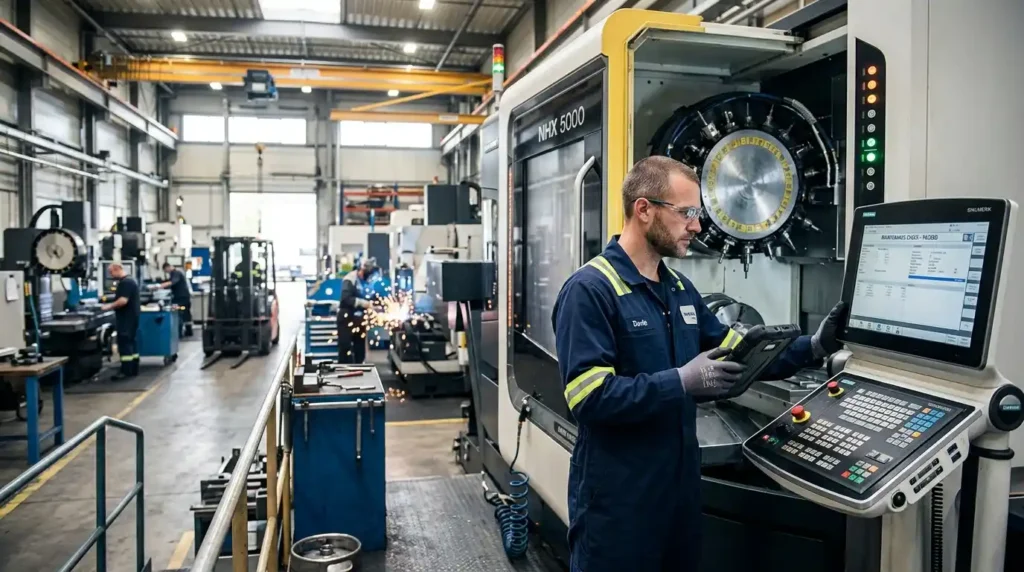
Synonyms by Tone:
Choosing a synonym depends on what is idle and why it is idle. Therefore, tone can change the message considerably.
Positive or Neutral
- Resting — suggests a healthy or necessary break.
- Still — focuses on lack of movement.
- Inactive — straightforward and neutral.
- Unused — focuses on something not being used.
- Unoccupied — emphasizes space or lack of activity.
- Dormant — suggests temporary inactivity.
- Languid — can create a relaxed, peaceful feeling.
Neutral or Professional
- Inoperative — useful for machines and equipment.
- Nonfunctional — emphasizes inability to function.
- Unactivated — suitable for systems, accounts, or devices.
- Unengaged — useful for people or audiences.
- Unproductive — focuses on poor results or lack of progress.
- Disengaged — describes limited involvement.
Negative
- Slacking — suggests avoiding work.
- Loafing — suggests lazy behavior.
- Lazing — emphasizes relaxed inactivity.
- Neglected — suggests something has not received proper attention.
- Sluggish — suggests slow performance or movement.
Playful or Informal
Loafing and lazing are especially natural in casual conversation. They can sound humorous rather than harsh, depending on the situation.
“Idle” vs Close Alternatives
| Word | Main Difference | Tone | Best Use |
|---|---|---|---|
| Idle | Not active, working, or being used | Neutral to negative | People, machines, time, systems |
| Inactive | Simply not active | Neutral | Accounts, systems, people, organizations |
| Unused | Not being used | Neutral | Objects, equipment, resources |
| Dormant | Temporarily inactive but capable of returning | Formal/neutral | Projects, accounts, businesses, volcanoes |
| Slacking | Avoiding work or effort | Informal/negative | People and workplaces |
The key difference is reason and context. For example, a machine can be idle without being broken. A nonfunctional machine, however, cannot perform its intended job.
Likewise, a person who is resting may simply be taking a deserved break. Someone who is slacking is usually avoiding work.
How “Idle” Changes by Context
Daily Conversation
In everyday speech, idle often describes someone who is doing nothing or something that is temporarily not being used.
For instance, you might say, “The car was idle while I waited.” You could also say, “He has been idle all morning.”
However, casual speakers often prefer simpler alternatives such as resting, doing nothing, or lazing around.
Writing and Blogging
In blogs and general writing, idle is useful because it is concise and flexible.
A writer might describe an idle afternoon, idle equipment, or idle workers. Nevertheless, alternatives help prevent repetition.
For example, dormant works well for a project that has paused, while unused is better for equipment that nobody uses.
Professional or Academic English
Professional writing often needs greater precision.
Inactive, inoperative, unproductive, unengaged, and dormant can each communicate a different idea.
For example, “The account is inactive” sounds more precise than “The account is idle” in many administrative contexts.
Creative or Informal Use
Creative writing can use idle, languid, loafing, or lazing to create a particular mood.
An author might describe an idle summer afternoon to suggest slow, peaceful time. In contrast, loafing can create a more humorous image of someone avoiding responsibility.
Common Mistakes Learners Make
Mistake 1: Treating “idle” as Always Negative
Idle does not always mean lazy.
An engine can be idle without doing anything wrong. Similarly, a person can be idle because they are waiting for the next task.
Mistake 2: Using “Lazy” for Machines
Lazy normally describes people or animals.
You would usually say, “The machine is idle,” rather than “The machine is lazy.”
Mistake 3: Confusing “Idle” With “Broken”
An idle device may work perfectly but simply not be operating at that moment.
A broken device has a problem that prevents normal operation.
Mistake 4: Using “Slacking” in Formal Writing
Slacking is informal and often critical. Therefore, it may sound inappropriate in an academic report.
Use unproductive, inactive, or disengaged when the context requires a more professional tone.
Register Notes
Idle is a versatile word that appears in both spoken and written English.
- Everyday: idle, still, unused
- Professional: inactive, unproductive, inoperative
- Technical: inert, nonfunctional, unactivated
- Literary: languid
- Informal: loafing, lazing, slacking
The safest approach is to choose the synonym according to the subject. A machine, person, account, field, and afternoon may all be “idle,” but their best alternatives are not always identical.
For related vocabulary learning, an internal link to another relevant synonym and alternatives article can help readers compare nearby words.
Real-Life Mini Scenarios
Workplace
A printer sits unused between projects. You can call it idle or inactive.
Social Situation
Someone has finished their tasks and has nothing else to do. They may be idle, resting, or lazing around.
Media and Pop Culture
A television show may describe a character as idle when the character spends hours avoiding responsibilities.
Writing and Storytelling
A novelist might describe an idle summer afternoon to create a slow and peaceful atmosphere.
How to Choose the Right Synonym
First, identify what is inactive.
If you are describing equipment, inactive, unused, or inoperative may work.
If you are describing a person, consider whether the person is resting, unproductive, slacking, or simply unoccupied.
For temporary inactivity, dormant is often more precise. Meanwhile, stationary is better when the main idea is that something is not moving.
Finally, consider the audience. A casual conversation allows loafing or lazing. A professional report usually benefits from inactive or unproductive.

Interactive Practice Quiz
Choose the best answer for each situation.
1. The factory machine is switched on but is not currently operating. Which word fits best?
A. Languid
B. Idle
C. Vacant
D. Unemployed
2. Sarah is taking a peaceful break after finishing her work. Which alternative sounds most positive?
A. Slacking
B. Loafing
C. Resting
D. Neglected
3. The company’s old project has stopped for now but may restart later.
A. Dormant
B. Motionless
C. Vacant
D. Stationary
4. The elevator cannot work because of a technical problem.
A. Languid
B. Inoperative
C. Unoccupied
D. Lazing
5. A student shows little interest during a long lecture.
A. Fallow
B. Disengaged
C. Still
D. Unused
6. Someone avoids their duties and spends the afternoon doing nothing.
A. Slacking
B. Inert
C. Stationary
D. Dormant
7. A field is not being cultivated this season.
A. Unengaged
B. Fallow
C. Unactivated
D. Inoperative
8. A laptop works normally but is not being used right now.
A. Nonfunctional
B. Unused
C. Unemployed
D. Neglected
9. Which word best describes something that is completely still?
A. Motionless
B. Unproductive
C. Sluggish
D. Dormant
10. A formal report says that a meeting produced no useful results.
A. Lazing
B. Unproductive
C. Loafing
D. Vacant
11. A person spends a lazy afternoon lying on the sofa.
A. Lazing
B. Inoperative
C. Inert
D. Unactivated
12. An account has not been used for several months.
A. Inactive
B. Languid
C. Motionless
D. Fallow
13. A machine is not broken; it simply is not running while the operator waits.
A. Idle
B. Neglected
C. Nonfunctional
D. Unemployed
14. Which word is most informal and suggests avoiding work?
A. Dormant
B. Slacking
C. Inactive
D. Inoperative
15. Which word best describes an empty office?
A. Unoccupied
B. Sluggish
C. Inert
D. Languid
Reflection Task: Write one sentence using idle, dormant, inactive, or unproductive. Then explain why your chosen word fits the situation.
Answer Key: 1. B, 2. C, 3. A, 4. B, 5. B, 6. A, 7. B, 8. B, 9. A, 10. B, 11. A, 12. A, 13. A, 14. B, 15. A
FAQs
1. What is the best synonym for idle when describing a person?
The best synonym depends on the reason for inactivity. Inactive is neutral, resting is usually positive, and unproductive focuses on a lack of useful results. If the person is deliberately avoiding work, slacking or loafing is more appropriate. Therefore, context matters more than choosing one universal replacement.
2. What is a good synonym for idle in a workplace?
In professional workplace writing, inactive, unproductive, disengaged, and unoccupied can work depending on the situation. For example, an inactive employee may simply have no current task, while an unproductive employee is failing to make useful progress. Meanwhile, a disengaged employee is not actively interested or involved.
3. What is the difference between idle and inactive?
Both words describe a lack of activity, but idle can suggest temporary non-use or waiting, especially with machines, vehicles, and people. Inactive is broader and more neutral. For example, an engine can be idle while waiting, whereas an account can be inactive because nobody has used it recently.
4. Can idle mean lazy?
Yes, idle can imply laziness when it describes a person who is avoiding work or spending time without purpose. However, it does not always carry that meaning. An idle machine is simply not operating, and an idle person may simply be waiting. The surrounding context determines whether the word sounds critical.
5. What is the opposite of idle?
Common opposites of idle include active, busy, working, operating, engaged, and productive. The best opposite depends on the subject. For example, an active machine is operating, while a busy person has tasks to complete. In professional writing, productive can be the clearest opposite when discussing work.
6. Is idle formal or informal English?
Idle is neither strongly formal nor strongly informal. It is a standard English word used in conversation, journalism, literature, business, and technical contexts. However, some alternatives are more specialized. For instance, inoperative sounds technical, while loafing sounds casual. Choose the word that matches your audience and purpose.
7. What is a synonym for idle time?
Useful alternatives for idle time include free time, downtime, unproductive time, and unused time, depending on the context. Downtime is especially common when discussing periods when a machine, system, or workplace is not operating. Free time usually has a more positive meaning for people.
8. What is the best synonym for an idle machine?
For an idle machine, inactive, unused, inoperative, and nonfunctional may be suitable, but they do not mean the same thing. Idle means the machine is not currently operating. Inoperative or nonfunctional can imply that it cannot operate because of a problem. Thus, choose carefully.
Conclusion
Learning a good synonym for idle gives you more control over your English. Instead of repeating one word, you can express the exact kind of inactivity you mean.
Words such as inactive, unused, and dormant work well in neutral contexts. Meanwhile, resting, lazing, and slacking create different emotional impressions.
Strong vocabulary is not only about knowing more words. It is about choosing the right word for the right situation, whether you are speaking, blogging, studying, or writing professionally.
Finally, practice these alternatives in emails, essays, stories, and daily conversations. The more you use them naturally, the easier precise English becomes.

Shahzeena Shazadi is the founder and lead writer at VocablyHub.com, where she creates accurate, reader-focused English language content designed to help people communicate with clarity and confidence. She specializes in synonyms, antonyms, word meanings, idioms, and practical vocabulary guides that simplify complex language concepts for everyday use. Every article is carefully researched, fact-checked, and written in clear, accessible language using reliable references and real-world examples. Her goal is to provide helpful, trustworthy content that supports learners at every stage of their English language journey.
Her editorial approach focuses on accuracy, transparency, and user value while following modern content quality standards. She regularly reviews and updates content to keep information relevant, useful, and easy to understand. Through VocablyHub.com, Shahzeena Shazadi is committed to publishing reliable language resources that help students, writers, educators, professionals, and English learners expand their vocabulary, improve their writing skills, and communicate with confidence in academic, professional, and everyday situations.