
Finding the right synonyms for “littering” can help you describe the careless disposal of waste more clearly and precisely. The best alternative depends on the situation, such as public spaces, environmental discussions, or formal writing.
The word littering refers to leaving waste in places where it does not belong. Depending on the context, terms such as discarding waste, dumping trash, improper disposal, and leaving rubbish behind can express similar ideas.
In this guide, you’ll discover useful synonyms for littering with clear meanings and practical examples. Each alternative will help you understand how different expressions can fit specific situations.
Whether you’re a student, writer, or English learner, learning these alternatives can help you avoid repetition and communicate environmental issues more effectively. A stronger vocabulary can make your writing clearer, more natural, and more informative.
What Does “Littering” Really Mean?
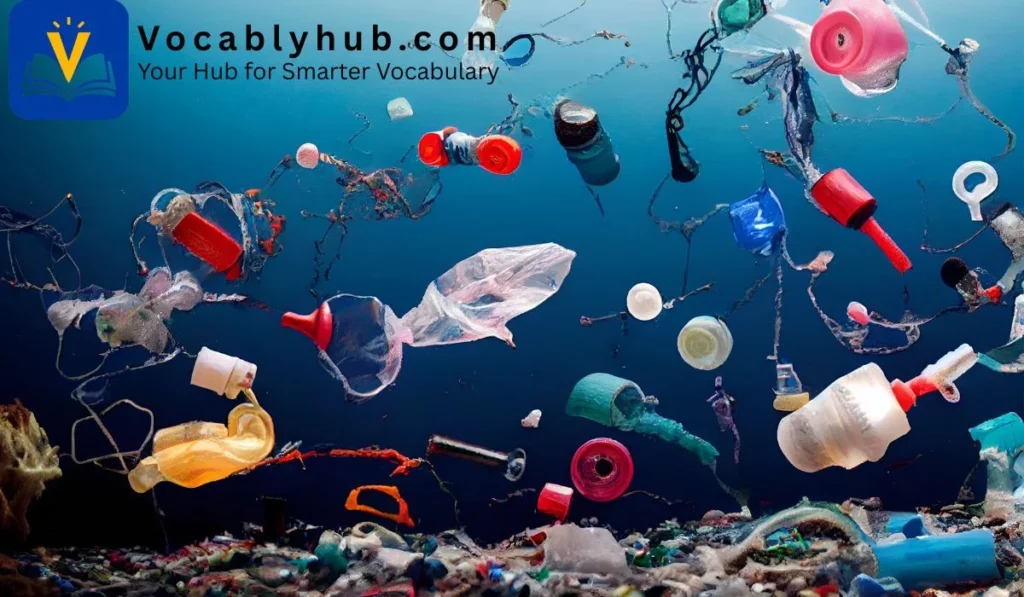
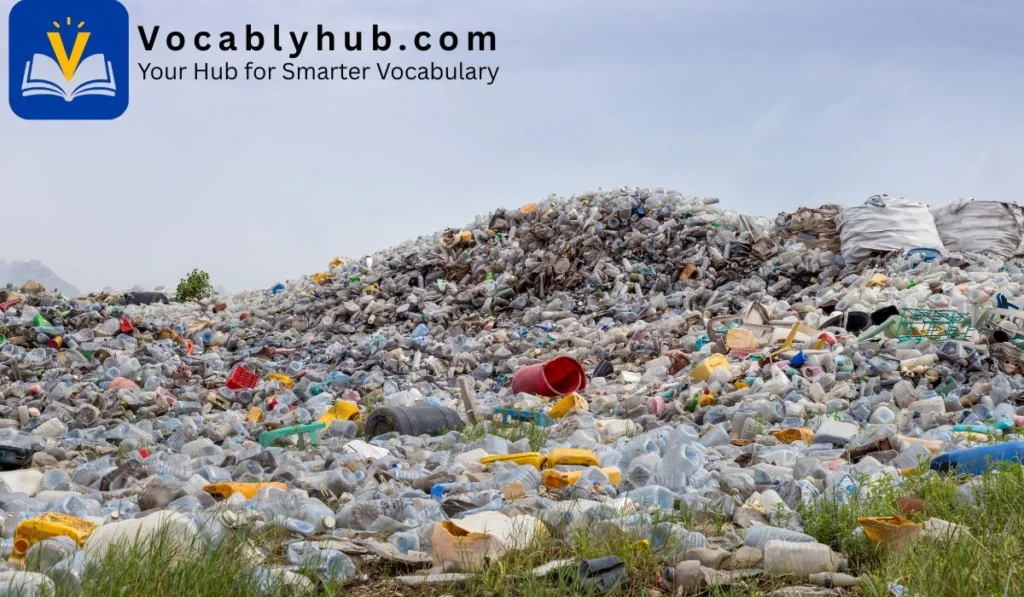
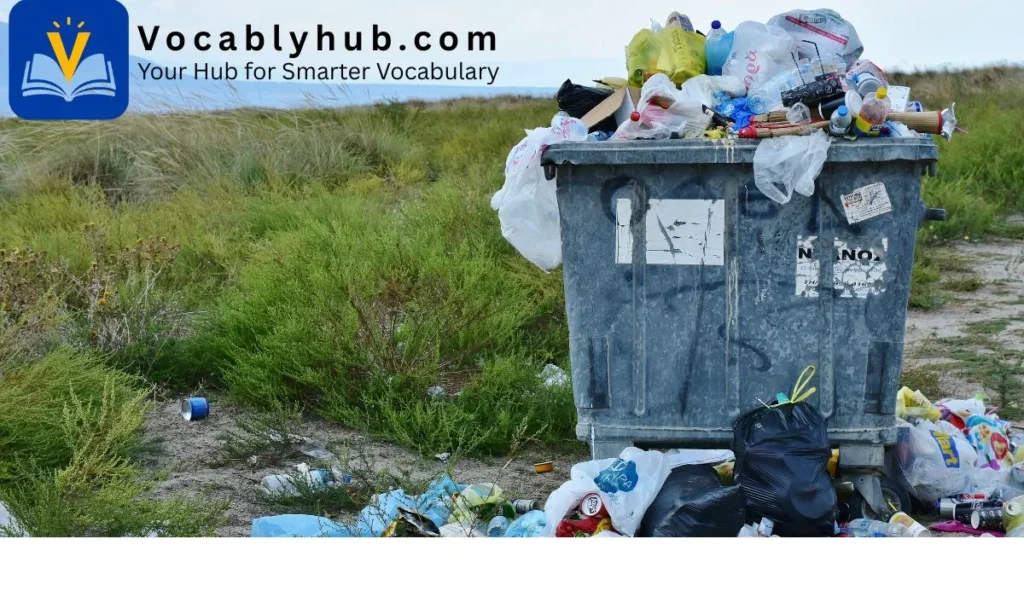
Littering describes the improper disposal of waste objects in public or private areas without authorization. The emotional tone is typically disapproving, critical, and concerned. Native speakers use it when talking about environmental policy, community cleanup events, or municipal ordinances.
It functions as a noun or present participle of the verb to litter. A simple definition is throwing trash on the ground instead of using bins.
Connotative Meaning
The emotional tone of this phrase is predominantly negative, disapproving, and critical.
(Connotation refers to the emotional or cultural associations surrounding a word, apart from its literal dictionary definition.)
Etymology
The term originates from Old French and Latin roots associated with beds, spreading, and scattered straw.
- Old English / Old French (450–1500): Derived from Old French litiere, meaning a portable bed, which evolved to mean things scattered loosely about.
- Modern English (1500–Present): Fully shifted to describe waste materials left carelessly strewn across public grounds.
Pronunciation (US & UK – IPA)
- US: /ˈlɪt̬.ɚ.ɪŋ/
- UK: /ˈlɪt.ər.ɪŋ/
Syllables
lit-ter-ing
Affixation Pattern
- Root: Litter (noun/verb base)
- Prefix: None
- Suffix: -ing (present participle/gerund marker)
Synonyms List
Dumping (Noun / Verb -ing) — US / UK: /ˈdʌm.pɪŋ/ / /ˈdʌm.pɪŋ/
- Meaning: The act of depositing waste materials illegally in unauthorized locations.
- Tone/Register: Formal / Legal
- Examples:
- Illegal dumping of industrial waste harms local river ecosystems.
- Police caught the truck driver dumping old tires behind the warehouse.
Refuse Disposal (Noun Phrase) — US / UK: /ˈrɛf.juːs dɪˈspoʊ.zəl/ / /ˈrɛf.juːs dɪˈspəʊ.zəl/
- Meaning: The technical process of getting rid of unwanted rubbish or garbage.
- Tone/Register: Administrative / Official
- Examples:
- Proper refuse disposal rules protect public health and safety.
- The city council updated local refuse disposal guidelines this month.
Trash Scattering (Noun Phrase) — US / UK: /træʃ ˈskæt.ɚ.ɪŋ/ / /træʃ ˈskæt.ər.ɪŋ/
- Meaning: The physical act of spreading garbage loosely across an area.
- Tone/Register: Descriptive / Informal
- Examples:
- Strong winds caused trash to scatter across the highway.
- Residents complained about trash scattering near the overflowing bins.
Depositing Waste (Verb Phrase) — US / UK: /dɪˈpɑː.zɪ.tɪŋ weɪst/ / /dɪˈpɒz.ɪ.tɪŋ weɪst/
- Meaning: Placing discarded materials down in an improper or unauthorized zone.
- Tone/Register: Formal / Legal
- Examples:
- Depositing waste in protected nature reserves carries heavy fines.
- Signs warn citizens against depositing waste near the hiking trail.
Polluting (Verb -ing) — US / UK: /pəˈluː.tɪŋ/ / /pəˈluː.tɪŋ/
- Meaning: Making land, water, or air dirty and unsafe with waste.
- Tone/Register: Environmental / Serious
- Examples:
- Polluting local waterways destroys delicate aquatic habitats.
- Factories faced strict penalties for polluting the neighborhood atmosphere.
Leaving Rubbish (Verb Phrase) — US / UK: /ˈliː.vɪŋ ˈrʌb.ɪʃ/ / /ˈliː.vɪŋ ˈrʌb.ɪʃ/
- Meaning: Abandoning unwanted discarded items behind in public spaces.
- Tone/Register: Standard / Casual
- Examples:
- Leaving rubbish on the beach ruins the experience for others.
- Campers were fined for leaving rubbish around their fire pit.
Discarding Waste (Verb Phrase) — US / UK: /dɪˈskɑːrd.ɪŋ weɪst/ / /dɪˈskɑːd.ɪŋ weɪst/
- Meaning: Throwing away unwanted items without regard for proper bins.
- Tone/Register: Formal / Objective
- Examples:
- Discarding waste improperly creates major municipal cleanup costs.
- The campaign educates students against discarding waste outdoors.
Strewing Garbage (Verb Phrase) — US / UK: /struː.ɪŋ ˈɡɑːr.bɪdʒ/ / /struː.ɪŋ ˈɡɑː.bɪdʒ/
- Meaning: Scattering trash untidily over a surface or public area.
- Tone/Register: Literary / Descriptive
- Examples:
- Vandals were caught strewing garbage across the town square.
- Animals broke open bags, strewing garbage down the alleyway.
Abandoning Trash (Verb Phrase) — US / UK: /əˈbæn.dən.ɪŋ træʃ/ / /əˈbæn.dən.ɪŋ træʃ/
- Meaning: Leaving unwanted garbage behind permanently with no intent to clear it.
- Tone/Register: Standard / Critical
- Examples:
- Abandoning trash in national parks is strictly prohibited.
- Hikers captured footage of tourists abandoning trash near the peak.
Soil Contamination (Noun Phrase) — US / UK: /sɔɪl kənˌtæm.əˈneɪ.ʃən/ / /sɔɪl kənˌtæm.ɪˈneɪ.ʃən/
- Meaning: The presence of toxic or discarded foreign matter in earth.
- Tone/Register: Scientific / Environmental
- Examples:
- Improper waste dumping leads to severe soil contamination over time.
- Scientists tested the garden beds for heavy soil contamination.
Environmental Degradation (Noun Phrase) — US / UK: /ɪnˌvaɪ.rənˈmɛn.təl ˌdɛɡ.rəˈdeɪ.ʃən/ / /ɪnˌvaɪ.rənˈmɛn.təl ˌdɛɡ.rəˈdeɪ.ʃn̩/
- Meaning: The deterioration of the natural environment through waste and pollution.
- Tone/Register: Academic / Formal
- Examples:
- Urban littering accelerates local environmental degradation significantly.
- Policymakers debated new laws to halt environmental degradation.
Fly-tipping (Noun) — US / UK: /ˈflaɪˌtɪp.ɪŋ/ / /ˈflaɪˌtɪp.ɪŋ/
- Meaning: The illegal disposal of household or industrial waste on land.
- Tone/Register: British / Legal
- Examples:
- Local councils installed security cameras to catch fly-tipping offenders.
- The rural lane became a frequent target for illegal fly-tipping.
Trash Dumping (Noun Phrase) — US / UK: /træʃ ˈdʌm.pɪŋ/ / /træʃ ˈdʌm.pɪŋ/
- Meaning: The act of unloading unwanted garbage in forbidden zones.
- Tone/Register: Standard / Practical
- Examples:
- Neighborhood watch groups monitored alleys to stop trash dumping.
- Signage explicitly banned unauthorized trash dumping behind the store.
Mismanaging Waste (Verb Phrase) — US / UK: /ˌmɪsˈmæn.ə.dʒɪŋ weɪst/ / /ˌmɪsˈmæn.ɪ.dʒɪŋ weɪst/
- Meaning: Handling garbage disposal procedures poorly or illegally.
- Tone/Register: Business / Administrative
- Examples:
- Fines were issued for mismanaging waste at the construction site.
- Corporate accountability requires proper systems for handling and mismanaging waste prevention.
Untidy Discarding (Noun Phrase) — US / UK: /ʌnˈtaɪ.di dɪˈskɑːrd.ɪŋ/ / /ʌnˈtaɪ.di dɪˈskɑːd.ɪŋ/
- Meaning: The careless act of throwing things away in a messy manner.
- Tone/Register: Descriptive / Casual
- Examples:
- Teachers discouraged untidy discarding of snack wrappers on the playground.
- The cleanup crew addressed months of untidy discarding along the fence.
Rubbish Strewing (Noun Phrase) — US / UK: /ˈrʌb.ɪʃ struː.ɪŋ/ / /ˈrʌb.ɪʃ struː.ɪŋ/
- Meaning: The chaotic spreading of waste items across open ground.
- Tone/Register: Descriptive / Formal
- Examples:
- Witnesses reported teenage groups engaged in reckless rubbish strewing.
- Municipal workers cleared the mess caused by morning rubbish strewing.
Waste Misplacement (Noun Phrase) — US / UK: /weɪst ˌmɪsˈpleɪs.mənt/ / /weɪst ˌmɪsˈpleɪs.mən.t/
- Meaning: Placing garbage outside of designated containment receptacles.
- Tone/Register: Euphemistic / Administrative
- Examples:
- The office memo reminded staff that waste misplacement violates policy.
- Accidental waste misplacement often happens when bins overflow.
Careless Disposing (Noun Phrase) — US / UK: /ˈkɛr.ləs dɪˈspoʊ.zɪŋ/ / /ˈkeə.ləs dɪˈspəʊ.zɪŋ/
- Meaning: Getting rid of items without paying attention to rules.
- Tone/Register: Standard / Critical
- Examples:
- Careless disposal of cigarette butts sparks dangerous brush fires.
- Public education campaigns target careless disposal habits.
Garbage Strewing (Noun Phrase) — US / UK: /ˈɡɑːr.bɪdʒ struː.ɪŋ/ / /ˈɡɑː.bɪdʒ struː.ɪŋ/
- Meaning: Spreading domestic waste carelessly across public pathways.
- Tone/Register: Descriptive / Standard
- Examples:
- Raccoons caused widespread garbage strewing across the residential street.
- Homeowners fined neighbors responsible for repeated garbage strewing.
Illegal Tipping (Noun Phrase) — US / UK: /ɪˈliː.ɡəl ˈtɪp.ɪŋ/ / /ɪˈliː.ɡəl ˈtɪp.ɪŋ/
- Meaning: Unauthorized dumping of waste materials in rural or urban areas.
- Tone/Register: Legal / British
- Examples:
- Illegal tipping penalties increased significantly under the new ordinance.
- Environmental officers investigated reports of illegal tipping near the woods.
Refuse Scattering (Noun Phrase) — US / UK: /ˈrɛf.juːs ˈskæt.ɚ.ɪŋ/ / /ˈrɛf.juːs ˈskæt.ər.ɪŋ/
- Meaning: Dispersing unwanted household discarded materials outdoors.
- Tone/Register: Formal / Descriptive
- Examples:
- High winds led to widespread refuse scattering across the courtyard.
- Janitors cleared the refuse scattered after the outdoor concert.
Unlawful Depositing (Noun Phrase) — US / UK: /ʌnˈlɔː.fəl dɪˈpɑː.zɪ.tɪŋ/ / /ʌnˈlɔː.fəl dɪˈpɒz.ɪ.tɪŋ/
- Meaning: Leaving waste materials where prohibited by statutory law.
- Tone/Register: Legal / Formal
- Examples:
- Unlawful depositing of chemicals carries severe criminal penalties.
- Security cameras recorded the unlawful depositing of boxes behind the shop.
Debris Scattering (Noun Phrase) — US / UK: /dəˈbriː ˈskæt.ɚ.ɪŋ/ / /dəˈbriː ˈskæt.ər.ɪŋ/
- Meaning: Spreading broken fragments and waste items across a space.
- Tone/Register: Descriptive / Technical
- Examples:
- Storm damage resulted in hazardous debris scattering across lanes.
- Construction crews prevented debris scattering with protective netting.
Rubbish Dumping (Noun Phrase) — US / UK: /ˈrʌb.ɪʃ ˈdʌm.pɪŋ/ / /ˈrʌb.ɪʃ ˈdʌm.pɪŋ/
- Meaning: Unloading unwanted household garbage in unauthorized public zones.
- Tone/Register: Standard / Colloquial
- Examples:
- Neighborhood committees united to stop unauthorized rubbish dumping.
- Signs were posted to discourage illegal rubbish dumping in alleys.
Littering Offense (Noun Phrase) — US / UK: /ˈlɪt̬.ɚ.ɪŋ əˈfɛns/ / /ˈlɪt.ər.ɪŋ əˈfɛns/
- Meaning: A legal violation involving discarded waste in public places.
- Tone/Register: Legal / Official
- Examples:
- The judge issued a fine for the first-time littering offense.
- Police officers patrolled the park looking for any littering offense.
Discarding Rubbish (Verb Phrase) — US / UK: /dɪˈskɑːrd.ɪŋ ˈrʌb.ɪʃ/ / /dɪˈskɑːd.ɪŋ ˈrʌb.ɪʃ/
- Meaning: Throwing away unwanted items outdoors rather than in bins.
- Tone/Register: Standard / Everyday
- Examples:
- Discarding rubbish out of car windows is dangerous and illegal.
- Volunteers picked up items from citizens discarding rubbish carelessly.
Trash Abandonment (Noun Phrase) — US / UK: /træʃ əˈbæn.dən.mənt/ / /træʃ əˈbæn.dən.mən.t/
- Meaning: Leaving garbage behind permanently in an open public area.
- Tone/Register: Formal / Descriptive
- Examples:
- Trash abandonment laws apply to both individuals and corporations.
- Park rangers documented cases of trash abandonment near campsites.
Public Soiling (Noun Phrase) — US / UK: /ˈpʌb.lɪk ˈsɔɪ.lɪŋ/ / /ˈpʌb.lɪk ˈsɔɪ.lɪŋ/
- Meaning: Making public grounds dirty or defiled with refuse.
- Tone/Register: Formal / Literary
- Examples:
- Civic leaders condemned the public soiling of historical monuments.
- Laws prohibit public soiling and defacement of municipal parks.
Outdoor Dumping (Noun Phrase) — US / UK: /ˈaʊt.dɔːr ˈdʌm.pɪŋ/ / /ˈaʊt.dɔː ˈdʌm.pɪŋ/
- Meaning: Disposing of waste materials outside in open environments.
- Tone/Register: Environmental / Practical
- Examples:
- Outdoor dumping of old electronics contaminates local groundwater.
- Local authorities clamped down on unauthorized outdoor dumping rings.
Refuse Abandonment (Noun Phrase) — US / UK: /ˈrɛf.juːs əˈbæn.dən.mənt/ / /ˈrɛf.juːs əˈbæn.dən.mən.t/
- Meaning: Leaving unwanted refuse behind in unapproved public zones.
- Tone/Register: Formal / Administrative
- Examples:
- Refuse abandonment ordinances carry strict financial penalties.
- Inspectors investigated sites prone to frequent refuse abandonment.
Amalgamated (Adjective) — US / UK: /əˈmæl.ɡə.meɪ.tɪd/ / /əˈmæl.ɡə.meɪ.tɪd/
- Meaning: Blended or united to form one organized organization or structure.
- Tone/Register: Business / Formal
- Examples:
- The two local firms amalgamated into a single corporate entity.
- Their amalgamated resources strengthened market competition.
Incorporated (Adjective) — US / UK: /ɪnˈkɔːr.pə.reɪ.tɪd/ / /ɪnˈkɔː.pə.reɪ.tɪd/
- Meaning: Included as part of a whole or combined into a company.
- Tone/Register: Business / Legal
- Examples:
- Safety rules are incorporated into everyday factory operations.
- The business became an officially incorporated enterprise last year.
Interfacing (Adjective) — US / UK: /ˈɪn.tɚˌfeɪ.sɪŋ/ / /ˈɪn.təˌfeɪ.sɪŋ/
- Meaning: Connecting or communicating directly with another system or person.
- Tone/Register: Technical / Professional
- Examples:
- Software engineers tested the interfacing modules for bugs.
- The marketing team worked closely with interfacing departments.
Intercommunicating (Adjective) — US / UK: /ˌɪn.tɚ.kəˈmjuː.nəˌkeɪ.tɪŋ/ / /ˌɪn.tə.kəˈmjuː.nɪˌkeɪ.tɪŋ/
- Meaning: Communicating or exchanging data mutually with each other.
- Tone/Register: Technical / Formal
- Examples:
- The devices feature intercommunicating wireless protocols.
- Intercommunicating terminals speed up transaction processing times.
Correlated (Adjective) — US / UK: /ˈkɔːr.ə.leɪ.tɪd/ / /ˈkɒr.ə.leɪ.tɪd/
- Meaning: Having a mutual relationship or connection where one affects another.
- Tone/Register: Academic / Scientific
- Examples:
- Higher study hours correlated with better exam scores.
- Researchers analyzed correlated data sets from multiple regions.
Articulated (Adjective) — US / UK: /ɑːrˈtɪk.jə.leɪ.tɪd/ / /ɑːˈtɪk.jə.leɪ.tɪd/
- Meaning: Connected by joints allowing motion between individual sections.
- Tone/Register: Technical / Descriptive
- Examples:
- The toy train featured fully articulated metal wheels.
- An articulated bus navigated the narrow city streets easily.
Affixed (Adjective) — US / UK: /əˈfɪkst/ / /əˈfɪkst/
- Meaning: Stuck, attached, or fastened securely to a surface.
- Tone/Register: Formal / Written
- Examples:
- Ensure the postage stamp is correctly affixed to the envelope.
- A warning label was firmly affixed to the machinery panel.
Joined Together (Adjective Phrase) — US / UK: /dʒɔɪnd təˈɡɛð/.ɚ/ / /dʒɔɪnd təˈɡɛð.ə/
- Meaning: Placed in close physical contact to act as one piece.
- Tone/Register: Casual / Descriptive
- Examples:
- The wooden boards were joined together with strong glue.
- Their hands remained joined together throughout the walk.
Hooked (Adjective) — US / UK: /hʊkt/ / /hʊkt/
- Meaning: Fastened or caught using a curved metal hook.
- Tone/Register: Casual / Practical
- Examples:
- The trailer was securely hooked to the pickup truck.
- His coat hung neatly hooked behind the office door.
Knitted (Adjective) — US / UK: /ˈnɪt.ɪd/ / /ˈnɪt.ɪd/
- Meaning: Closely joined or interwoven together like yarn stitches.
- Tone/Register: Descriptive / Literary
- Examples:
- They formed a tightly knitted community of supportive artists.
- She wore a softly knitted wool scarf in winter.
Coupled (Adjective) — US / UK: /ˈkʌp.əld/ / /ˈkʌp.əld/
- Meaning: Linked together in pairs or working in tandem.
- Tone/Register: Technical / Formal
- Examples:
- Increased demand coupled with low supply raised market prices.
- The freight cars were securely coupled to the diesel engine.
Interconnected (Adjective) — US / UK: /ˌɪn.tɚ.kəˈnɛk.tɪd/ / /ˌɪn.tə.kəˈnɛk.tɪd/
- Meaning: Having all constituent parts mutually connected and reliant.
- Tone/Register: Academic / Technical
- Examples:
- Global economies are deeply interconnected in modern trade.
- Ecologists study interconnected ecosystems across the forest.
Integrated (Adjective) — US / UK: /ˈɪn.təˌɡreɪ.tɪd/ / /ˈɪn.tɪ.ɡreɪ.tɪd/
- Meaning: Combined into a cohesive, organized whole system.
- Tone/Register: Business / Academic
- Examples:
- The new software features an integrated customer database.
- Our school promotes an integrated approach to art and science.
Unified (Adjective) — US / UK: /ˈjuː.nɪ.faɪd/ / /ˈjuː.nɪ.faɪd/
- Meaning: Made uniform or united into a single cohesive whole.
- Tone/Register: Formal / Inspiring
- Examples:
- The company adopted a unified branding strategy globally.
- Citizens presented a unified front during a community crisis.
Synonyms for “Littering” by Tone
Understanding tone helps writers choose the exact right word for their audience. Words carry emotional weight that shapes how readers perceive a message.
- Positive Tone: None, as these terms focus on civic offenses and waste violations.
- Neutral Tone: Littering, Discarding Waste, Leaving Rubbish, Trash Scattering, Refuse Disposal.
- Negative Tone: Dumping, Fly-tipping, Polluting, Abandoning Trash, Unlawful Depositing.
Mini Comparison
Littering vs. Dumping vs. Polluting
- Littering: Focuses on small-scale, casual discarding of personal items like wrappers or bottles in public. Use it for everyday street and park violations.
- Dumping: Focuses on large-scale, deliberate unloading of bulk waste or trash in unauthorized areas. Use it for illegal truck loads or industrial debris.
- Polluting: Focuses broadly on contaminating air, water, or soil with harmful chemical and physical waste. Use it for environmental science and major ecological damage.
Context-Based Usage
In daily conversation, speakers often use simpler terms like littering or leaving trash. People prefer natural phrasing when talking to friends about cleaning up local parks or beaches.
In writing and blogging, content creators choose terms like discarding waste or environmental degradation to add professional polish and a serious tone. This creates engaging, informative articles for readers.
In professional or academic writing, authors rely on formal choices such as unlawful depositing, refuse abandonment, or soil contamination. These words maintain an authoritative, scholarly tone.
Common Mistakes and Native Usage
Learners frequently misuse these terms by treating littering and dumping as identical. Littering implies dropping a single wrapper on a sidewalk, whereas dumping implies moving truckloads of trash to an illegal site.
Another common error is confusing register. Using overly formal phrases like unlawful depositing in casual conversation sounds overly robotic.
Native speakers reserve these specific noun phrases for moments of legal reporting, municipal warnings, or environmental advocacy. Furthermore, they avoid overusing them in every single sentence.
Real-Life Mini Scenarios
- Workplace: The municipal manager reviewed reports of illegal dumping behind the industrial park.
- Social Situations: Volunteers organized a weekend cleanup event to collect discarded rubbish from the beach.
- Media / Pop Culture: News broadcasts covered heavy fines issued for public littering offenses downtown.
- Writing / Storytelling: The essay detailed how civic negligence and trash scattering ruined the once-pristine valley.
Conclusion
Mastering synonyms for littering empowers you to describe environmental infractions and civic issues with incredible accuracy. Enriching your vocabulary transforms ordinary sentences into engaging, memorable communication.
Practicing these words in your daily emails, essays, and conversations builds natural fluency over time. Keep exploring new terms to unlock your highest potential as a writer today.
Interactive Practice Quiz
- Leaving plastic bottles on the street is a form of ________.
- A. Improper disposal
- B. Recycling
- C. Conservation
- The city introduced fines for people who ________ in public parks.
- A. Leave waste behind
- B. Collect rubbish
- C. Sort recyclables
- The campaign encourages residents to stop ________ in public areas.
- A. Dumping trash
- B. Cleaning streets
- C. Reusing materials
- Throwing food wrappers on the ground is considered ________.
- A. Discarding waste carelessly
- B. Waste reduction
- C. Environmental protection
- Volunteers cleaned up the rubbish that had been ________ along the beach.
- A. Left behind
- B. Recycled
- C. Collected properly
- The school teaches students about the environmental effects of ________.
- A. Improper waste disposal
- B. Waste collection
- C. Recycling programs
- People should avoid ________ in forests and other natural areas.
- A. Dumping rubbish
- B. Planting trees
- C. Protecting wildlife
- The park became cleaner after visitors stopped ________.
- A. Dropping waste
- B. Picking up trash
- C. Using recycling bins
- The organization launched a campaign against ________ in urban areas.
- A. Careless waste disposal
- B. Community cleanup
- C. Waste recycling
- Leaving cans and wrappers on the sidewalk is an example of ________.
- A. Disposing of waste improperly
- B. Managing waste responsibly
- C. Keeping public spaces clean
Reflection Task:
Write one original sentence using the synonym “dumping” to describe illegal waste left in a forest.
Answer Key:
- A, 2. A, 3. A, 4. A, 5. A, 6. A, 7. A, 8. A, 9. A, 10. A
Frequently Asked Questions
1. Can “littering” refer to digital files scattered on a computer desktop?
No, littering strictly refers to physical waste and trash discarded in physical environments, though digital clutter is sometimes described metaphorically.
2. What is the difference between littering and dumping?
Littering typically involves small items dropped casually by individuals, whereas dumping involves large volumes of commercial or household garbage abandoned illegally.
3. Is the focus keyword appropriate for casual daily conversations?
Yes, littering is standard in everyday speech when discussing cleanups, parks, or community rules.
4. How can environmental writers avoid repeating this term in articles?
Writers can alternate between precise semantic variants like discarding waste, leaving rubbish, or unlawful depositing depending on context.
5. Why is understanding semantic variations important for environmental writers?
Using precise semantic variants helps clarify the exact scale and severity of an environmental offense for readers and officials.

Shahzeena Shazadi is the founder and lead writer at VocablyHub.com, where she creates accurate, reader-focused English language content designed to help people communicate with clarity and confidence. She specializes in synonyms, antonyms, word meanings, idioms, and practical vocabulary guides that simplify complex language concepts for everyday use. Every article is carefully researched, fact-checked, and written in clear, accessible language using reliable references and real-world examples. Her goal is to provide helpful, trustworthy content that supports learners at every stage of their English language journey.
Her editorial approach focuses on accuracy, transparency, and user value while following modern content quality standards. She regularly reviews and updates content to keep information relevant, useful, and easy to understand. Through VocablyHub.com, Shahzeena Shazadi is committed to publishing reliable language resources that help students, writers, educators, professionals, and English learners expand their vocabulary, improve their writing skills, and communicate with confidence in academic, professional, and everyday situations.