
Synonyms for tanning include sunbathing, bronzing, darkening, browning, and sun-kissed coloring when describing skin color. In leather production, alternatives include hide processing, curing, and leather treatment. The best word depends on whether you mean skin darkening or the process of treating animal hides.
Imagine telling a friend you spent the afternoon tanning at the beach. They will probably picture you relaxing in the sun to develop a darker skin tone.
The word tanning appears in beauty discussions, travel blogs, skincare articles, and leatherworking. Its meaning changes with context, so a precise alternative can make your message clearer.
Learning synonyms for tanning helps students write accurately, bloggers avoid repetition, and content writers explain beauty or manufacturing topics. Everyday English users can also describe color changes more naturally.
Whether you are writing a skincare guide or discussing traditional crafts, the right synonym helps readers understand your meaning. Explore these alternatives, compare their nuances, and practice using them in real sentences.
What Does “Tanning” Really Mean?
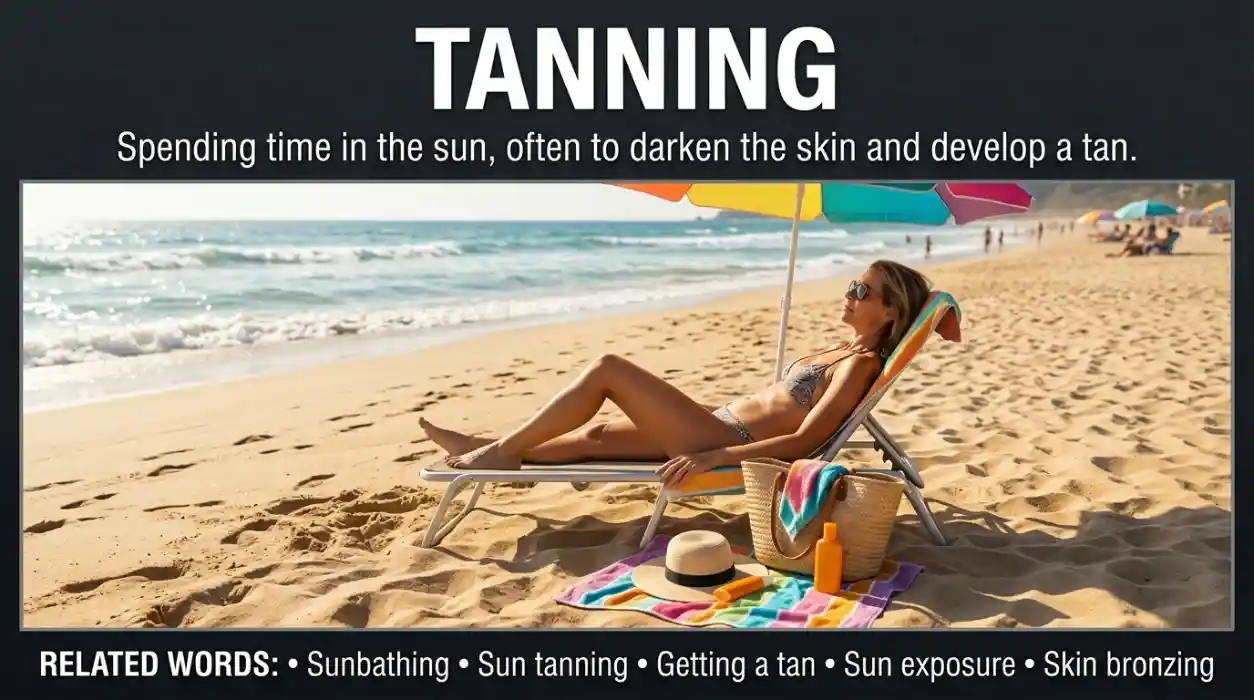
Tanning is a noun or the -ing form of the verb tan. In everyday beauty and skincare contexts, it usually means developing darker skin after exposure to ultraviolet (UV) radiation or applying a product that temporarily colors the skin.
The word also has a separate technical meaning. In leather production, tanning is the process of treating animal hides to turn them into durable leather.
Native speakers usually rely on context to distinguish these meanings. “She is tanning by the pool” refers to skin darkening. “The factory specializes in tanning hides” refers to leather processing.
A useful vocabulary point is that tanning does not always involve sunlight. Self-tanning lotions and sprays can create a tanned appearance without UV exposure.
Connotative Meaning
(Connotation is the feeling, attitude, or association a word carries beyond its basic definition.)
- Positive tone: Words such as glow, bronzing, and sun-kissed may suggest a warm, radiant appearance in beauty and lifestyle writing.
- Negative tone: Terms such as overexposure and skin darkening from UV damage emphasize potential harm rather than appearance.
- Neutral tone: Pigmentation, browning, and leather treatment can describe a process without expressing approval or disapproval.
Health note: A tan caused by UV exposure is a response to skin damage, not proof of healthy skin. Sunless tanning products can change skin color without UV exposure, but they do not generally protect against sunburn.
Etymology of “Tanning”
The verb tan developed in English from older words associated with tanning hides, a craft that uses substances to turn animal skins into leather. The word’s history is closely linked to traditional leather production.
- Old English (450–1100): English had established vocabulary for animal hides, leather, and related crafts. The modern everyday use of tan for a darker skin color was not yet as prominent as it is today.
- Middle English (1100–1500): Forms related to tan became established in English, particularly in connection with processing hides and making leather.
- Modern English (1500–present): Tan developed broader uses, including describing a light brown color and the darkening of human skin. In modern usage, tanning commonly appears in beauty, travel, skincare, and manufacturing contexts.
Pronunciation (US and UK IPA)
- US: /ˈtænɪŋ/
- UK: /ˈtænɪŋ/
Syllables
Tanning: tan-ning (two syllables)
Affixation Pattern of “Tanning”
- Root: tan
- Prefix: None
- Suffix: -ing, used to form a present participle or a gerund
Related forms include tan (verb or noun), tanned (past tense or adjective), tanner (a person who tans hides), and tannery (a place where hides are processed).
Synonyms List
The word tanning has two main senses: darkening skin and processing animal hides into leather. The following list includes close alternatives, descriptive expressions, and context-specific terms. Some describe the process, while others describe its result. They are not interchangeable in every sentence.
1. Sunbathing (noun/verb) — US: /ˈsʌnˌbeɪðɪŋ/ | UK: /ˈsʌnˌbeɪðɪŋ/
Meaning: Spending time in the sun, often with the aim of getting a tan.
Tone/Register: Neutral, everyday.
Examples:
- We went sunbathing near the hotel pool.
- She enjoys reading while sunbathing on the beach.
2. Bronzing (noun/verb) — US: /ˈbrɑːnzɪŋ/ | UK: /ˈbrɒnzɪŋ/
Meaning: Giving the skin a bronze-like color, either through a cosmetic product or a tanning process.
Tone/Register: Beauty, lifestyle.
Examples:
- The lotion creates a subtle bronzing effect.
- Her makeup artist used bronzing powder for a warmer finish.
3. Browning (noun/verb) — US: /ˈbraʊnɪŋ/ | UK: /ˈbraʊnɪŋ/
Meaning: Becoming or making something brown, including skin exposed to sunlight.
Tone/Register: Neutral, descriptive.
Examples:
- His skin started browning after several days outdoors.
- The article explains how browning can vary with skin type.
4. Darkening (noun/verb) — US: /ˈdɑːrkənɪŋ/ | UK: /ˈdɑːkənɪŋ/
Meaning: The process of becoming darker in color.
Tone/Register: Neutral, general.
Examples:
- She noticed darkening on her shoulders after the holiday.
- The photographer adjusted the lighting to show the darkening more clearly.
5. Sun-kissed coloring (noun phrase) — US: /ˌsʌn ˈkɪst ˈkʌlərɪŋ/ | UK: /ˌsʌn ˈkɪst ˈkʌlərɪŋ/
Meaning: A warm, lightly tanned appearance often associated with time spent outdoors.
Tone/Register: Positive, beauty and lifestyle.
Examples:
- The makeup gives the cheeks a sun-kissed coloring.
- She wanted a sun-kissed look for the summer photos.
6. Sun tanning (noun) — US: /ˈsʌn ˌtænɪŋ/ | UK: /ˈsʌn ˌtænɪŋ/
Meaning: Skin darkening caused by exposure to sunlight.
Tone/Register: Neutral, skincare.
Examples:
- Sun tanning can expose the skin to harmful UV radiation.
- The guide explains the risks of deliberate sun tanning.
7. Sun exposure (noun) — US: /ˈsʌn ɪkˌspoʊʒər/ | UK: /ˈsʌn ɪkˌspəʊʒə/
Meaning: Being exposed to sunlight, which may cause skin darkening and other effects.
Tone/Register: Neutral, health and science.
Examples:
- Prolonged sun exposure can damage the skin.
- The dermatologist asked about her recent sun exposure.
8. Sun-induced pigmentation (noun phrase) — US: /ˈsʌn ɪnˌduːst ˌpɪɡmənˈteɪʃən/ | UK: /ˈsʌn ɪnˌdjuːst ˌpɪɡmenˈteɪʃən/
Meaning: Color changes in the skin associated with exposure to sunlight.
Tone/Register: Technical, medical.
Examples:
- The specialist examined the sun-induced pigmentation on his face.
- The report describes changes in pigmentation after repeated UV exposure.
9. Skin darkening (noun phrase) — US: /ˈskɪn ˌdɑːrkənɪŋ/ | UK: /ˈskɪn ˌdɑːkənɪŋ/
Meaning: A change that makes the skin appear darker than before.
Tone/Register: Neutral, descriptive.
Examples:
- Skin darkening can have several causes.
- She asked whether the change in skin darkening needed medical attention.
10. Tanned appearance (noun phrase) — US: /tænd əˈpɪrəns/ | UK: /tænd əˈpɪərəns/
Meaning: The visual effect of skin that looks darker or more bronzed.
Tone/Register: Neutral, beauty.
Examples:
- The foundation creates a natural tanned appearance.
- He preferred a light tanned appearance for the portrait.
Sunless and Cosmetic Tanning
11. Sunless tanning (noun) — US: /ˈsʌnləs ˌtænɪŋ/ | UK: /ˈsʌnləs ˌtænɪŋ/
Meaning: Creating a tanned appearance without relying on UV exposure.
Tone/Register: Beauty, skincare.
Examples:
- Sunless tanning can provide color without intentional sun exposure.
- She chose sunless tanning before the wedding.
12. Self-tanning (noun/verb) — US: /ˌself ˈtænɪŋ/ | UK: /ˌself ˈtænɪŋ/
Meaning: Applying a product that colors the skin to create a tanned look.
Tone/Register: Informal, beauty.
Examples:
- Self-tanning takes practice to apply evenly.
- He followed the directions before using a self-tanning lotion.
13. Fake tanning (noun/verb) — US: /ˌfeɪk ˈtænɪŋ/ | UK: /ˌfeɪk ˈtænɪŋ/
Meaning: An informal term for creating a tan with cosmetic products rather than sunlight.
Tone/Register: Informal, conversational.
Examples:
- Fake tanning has become common before special events.
- She tested the fake tanning product on a small area first.
14. Spray tanning (noun/verb) — US: /ˈspreɪ ˌtænɪŋ/ | UK: /ˈspreɪ ˌtænɪŋ/
Meaning: Applying a fine mist of tanning solution to create a more bronzed skin tone.
Tone/Register: Beauty, professional.
Examples:
- Spray tanning can create an even-looking finish when applied correctly.
- The article explains how spray tanning differs from sun exposure.
15. Self-bronzing (noun/verb) — US: /ˌself ˈbrɑːnzɪŋ/ | UK: /ˌself ˈbrɒnzɪŋ/
Meaning: Using a cosmetic product to give the skin a bronze-colored appearance.
Tone/Register: Beauty, lifestyle.
Examples:
- Self-bronzing can add warmth to the skin.
- She used a self-bronzing product for a soft evening look.
16. Cosmetic bronzing (noun) — US: /kɑːzˈmetɪk ˈbrɑːnzɪŋ/ | UK: /kɒzˈmetɪk ˈbrɒnzɪŋ/
Meaning: Using makeup or cosmetic products to create a bronzed effect.
Tone/Register: Beauty, professional.
Examples:
- Cosmetic bronzing added warmth to the makeup.
- The tutorial demonstrates subtle cosmetic bronzing for everyday wear.
17. Tanning treatment (noun phrase) — US: /ˈtænɪŋ ˌtriːtmənt/ | UK: /ˈtænɪŋ ˌtriːtmənt/
Meaning: A process or service intended to create a tanned appearance.
Tone/Register: Neutral, beauty.
Examples:
- She asked about the steps involved in a tanning treatment.
- The article compares different types of tanning treatment.
18. Artificial tanning (noun) — US: /ˌɑːrtəˈfɪʃəl ˈtænɪŋ/ | UK: /ˌɑːtɪˈfɪʃəl ˈtænɪŋ/
Meaning: Creating a tanned appearance through a method that does not rely on ordinary natural sunlight.
Tone/Register: Neutral, technical.
Examples:
- Artificial tanning methods vary in how they produce color.
- The researcher compared artificial tanning with sun exposure.
19. Indoor tanning (noun) — US: /ˈɪnˌdɔːr ˈtænɪŋ/ | UK: /ˈɪnˌdɔː ˈtænɪŋ/
Meaning: Tanning indoors, commonly using a UV-emitting tanning device.
Tone/Register: Neutral, health and lifestyle.
Examples:
- Indoor tanning can increase exposure to harmful UV radiation.
- The health campaign shares information about indoor tanning risks.
20. Gradual tanning (noun) — US: /ˈɡrædʒuəl ˈtænɪŋ/ | UK: /ˈɡrædʒuəl ˈtænɪŋ/
Meaning: Developing a tanned look gradually, often through repeated use of a sunless tanning product.
Tone/Register: Beauty, descriptive.
Examples:
- Gradual tanning products are designed to build color over time.
- She preferred gradual tanning to a sudden change in appearance.
Describing Color and Appearance
21. Bronzed skin (noun phrase) — US: /brɑːnzd skɪn/ | UK: /brɒnzd skɪn/
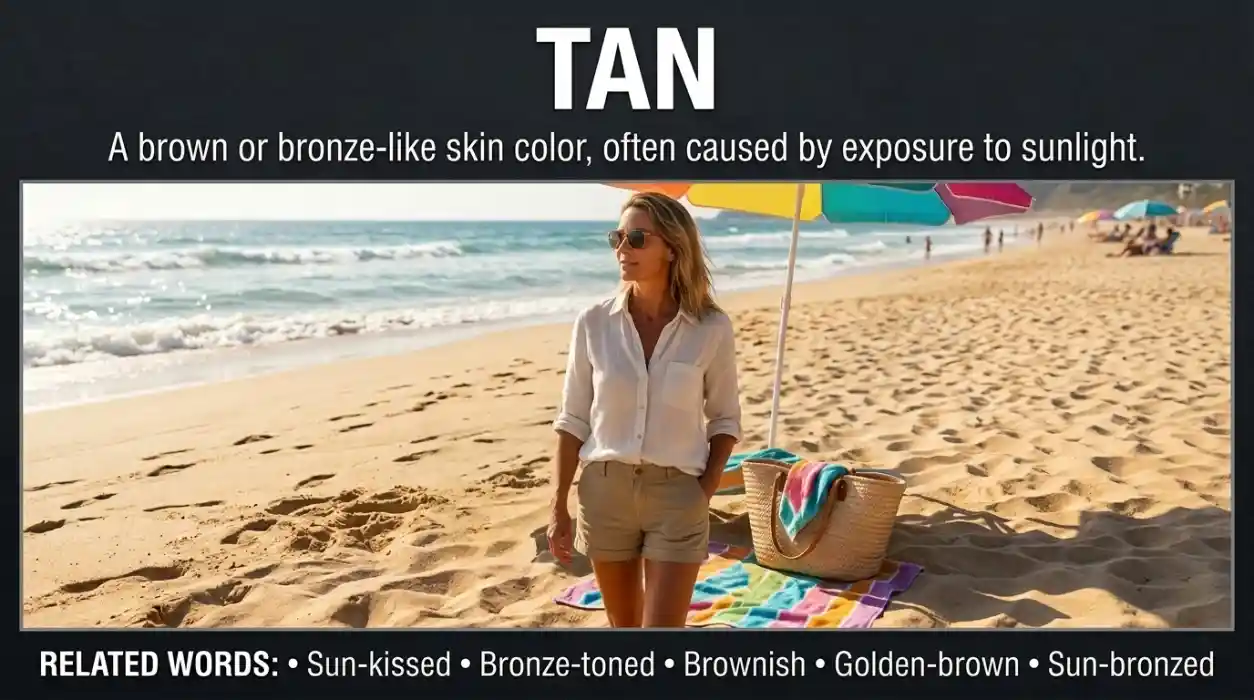
Meaning: Skin with a brown, bronze-like appearance.
Tone/Register: Descriptive, beauty.
Examples:
- The character was described as having bronzed skin.
- Warm lighting emphasized the model’s bronzed skin.
22. Browned skin (noun phrase) — US: /braʊnd skɪn/ | UK: /braʊnd skɪn/
Meaning: Skin that has become brown or darker in appearance.
Tone/Register: Neutral, descriptive.
Examples:
- The description referred to browned skin after a summer outdoors.
- The artist used different shades to represent browned skin realistically.
23. Golden glow (noun phrase) — US: /ˈɡoʊldən ɡloʊ/ | UK: /ˈɡəʊldən ɡləʊ/
Meaning: A warm, golden appearance of the skin, whether natural or created with cosmetics or lighting.
Tone/Register: Positive, beauty.
Examples:
- The makeup gave her face a golden glow.
- Soft evening light created a golden glow in the photograph.
24. Warm complexion (noun phrase) — US: /wɔːrm kəmˈplekʃən/ | UK: /wɔːm kəmˈplekʃən/
Meaning: A skin tone with warm, golden, peach, or yellow undertones.
Tone/Register: Neutral, beauty.
Examples:
- The stylist chose colors that suited his warm complexion.
- A warm complexion does not necessarily mean the skin is tanned.
25. Sun-kissed look (noun phrase) — US: /ˌsʌn ˈkɪst lʊk/ | UK: /ˌsʌn ˈkɪst lʊk/
Meaning: A lightly bronzed appearance associated with time spent in the sun.
Tone/Register: Positive, informal.
Examples:
- She wanted a sun-kissed look for her holiday pictures.
- The makeup artist created a sun-kissed look with warm shades.
26. Golden tan (noun phrase) — US: /ˈɡoʊldən tæn/ | UK: /ˈɡəʊldən tæn/
Meaning: A tan with a golden or warm brown tone.
Tone/Register: Descriptive, beauty.
Examples:
- The lotion gave her skin a golden tan.
- The writer described the character’s golden tan in the summer scene.
27. Skin bronzing (noun) — US: /ˈskɪn ˌbrɑːnzɪŋ/ | UK: /ˈskɪn ˌbrɒnzɪŋ/
Meaning: Creating or developing a bronze-colored appearance on the skin.
Tone/Register: Beauty, descriptive.
Examples:
- Skin bronzing can refer to makeup or a broader tanning effect.
- The guide explains the difference between bronzing and tanning.
28. Color enhancement (noun phrase) — US: /ˈkʌlər ɪnˌhænsmənt/ | UK: /ˈkʌlə ɪnˌhɑːnsmənt/
Meaning: Making a color appear more noticeable, richer, or more vivid.
Tone/Register: Neutral, technical, or beauty.
Examples:
- The photographer used color enhancement to warm the image.
- Cosmetic color enhancement can change the appearance of the skin.
29. Complexion darkening (noun phrase) — US: /kəmˈplekʃən ˌdɑːrkənɪŋ/ | UK: /kəmˈplekʃən ˌdɑːkənɪŋ/
Meaning: A noticeable increase in the darkness of the skin’s overall appearance.
Tone/Register: Neutral, descriptive.
Examples:
- The report noted complexion darkening after outdoor activity.
- Complexion darkening may have causes other than tanning.
30. Pigmentation change (noun phrase) — US: /ˌpɪɡmenˈteɪʃən tʃeɪndʒ/ | UK: /ˌpɪɡmenˈteɪʃən tʃeɪndʒ/
Meaning: A change in the amount or distribution of color in the skin.
Tone/Register: Medical, scientific.
Examples:
- The clinician assessed the pigmentation change.
- A pigmentation change should not automatically be assumed to be a tan.
Leather Tanning and Hide Processing
The next alternatives belong to a different field. They relate to treating animal hides or preparing leather, not to changing human skin color. Some are related processes rather than exact technical synonyms for tanning.
31. Leather processing (noun) — US: /ˈleðər ˌprɑːsesɪŋ/ | UK: /ˈleðə ˌprəʊsesɪŋ/
Meaning: The broader set of operations used to turn raw hides into usable leather.
Tone/Register: Technical, industrial.
Examples:
- Leather processing involves several stages before a hide becomes a finished material.
- The course introduces traditional and modern leather processing.
32. Hide treatment (noun phrase) — US: /haɪd ˈtriːtmənt/ | UK: /haɪd ˈtriːtmənt/
Meaning: Treating an animal hide to prepare or preserve it during leather production.
Tone/Register: Technical, industrial.
Examples:
- Proper hide treatment helps prepare the material for later processing.
- The workshop explained each stage of hide treatment.
33. Hide preservation (noun phrase) — US: /haɪd ˌprezərˈveɪʃən/ | UK: /haɪd ˌprezəˈveɪʃən/
Meaning: Protecting raw hides from deterioration before or during further processing.
Tone/Register: Technical, manufacturing.
Examples:
- Hide preservation is important when processing cannot begin immediately.
- The guide describes traditional hide preservation methods.
34. Leather treatment (noun phrase) — US: /ˈleðər ˌtriːtmənt/ | UK: /ˈleðə ˌtriːtmənt/
Meaning: Applying a process or substance to alter or improve leather’s properties.
Tone/Register: Technical, general.
Examples:
- The leather treatment made the material more suitable for its intended use.
- Different leather treatments produce different finishes.
35. Hide curing (noun phrase) — US: /haɪd ˈkjʊrɪŋ/ | UK: /haɪd ˈkjʊərɪŋ/
Meaning: Preserving a raw hide, often through salting or drying, before further processing.
Tone/Register: Technical, traditional.
Examples:
- Hide curing helped prevent deterioration before transport.
- The instructor explained why hide curing must be handled carefully.
36. Leather manufacture (noun phrase) — US: /ˈleðər ˌmænjəˌfæktʃər/ | UK: /ˈleðə ˌmænjʊˌfæktʃə/
Meaning: The industrial or craft process of making leather and leather goods.
Tone/Register: Formal, industrial.
Examples:
- Leather manufacture requires knowledge of materials and processing methods.
- The article traces changes in leather manufacture over time.
37. Tannery processing (noun phrase) — US: /ˈtænəri ˌprɑːsesɪŋ/ | UK: /ˈtænəri ˌprəʊsesɪŋ/
Meaning: The work carried out in a tannery to convert hides into leather.
Tone/Register: Technical, manufacturing.
Examples:
- Tannery processing involves careful control of materials and conditions.
- The report examined waste management in tannery processing.
38. Hide conversion (noun phrase) — US: /haɪd kənˈvɜːrʒən/ | UK: /haɪd kənˈvɜːʒən/
Meaning: Turning a raw animal hide into a more stable material through processing.
Tone/Register: Technical, descriptive.
Examples:
- Hide conversion changes the structure and durability of the material.
- The textbook outlines the main stages of hide conversion.
39. Leather conditioning (noun phrase) — US: /ˈleðər kənˌdɪʃənɪŋ/ | UK: /ˈleðə kənˌdɪʃənɪŋ/
Meaning: Treating finished leather to help maintain its flexibility or surface condition.
Tone/Register: Technical, care and maintenance.
Examples:
- Leather conditioning helps keep some finished leather products supple.
- The care guide recommends suitable leather conditioning methods.
40. Leather finishing (noun phrase) — US: /ˈleðər ˌfɪnɪʃɪŋ/ | UK: /ˈleðə ˌfɪnɪʃɪŋ/
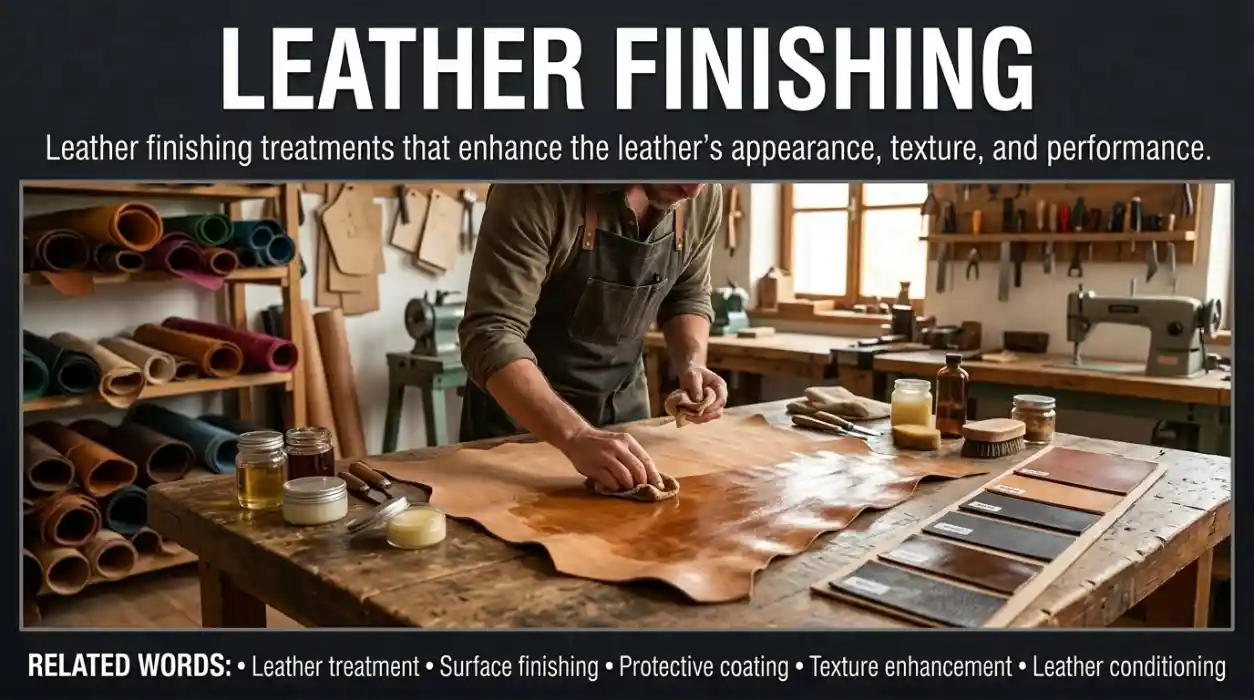
Meaning: The final treatments applied to leather to affect its appearance, texture, or performance.
Tone/Register: Technical, manufacturing.
Examples:
- Leather finishing can change the surface texture and appearance.
- The factory uses several leather finishing techniques.
Related Processes and Scientific Terms
These terms describe related biological, chemical, or material processes. They may be useful when explaining tanning, but they are not exact substitutes in every technical context.
41. Pigmentation (noun) — US: /ˌpɪɡmenˈteɪʃən/ | UK: /ˌpɪɡmenˈteɪʃən/
Meaning: The coloring of skin or another material due to pigments.
Tone/Register: Scientific, medical.
Examples:
- Pigmentation determines much of the natural variation in skin color.
- The researcher studied how pigmentation responds to different conditions.
42. Melanogenesis (noun) — US: /ˌmelənoʊˈdʒenəsɪs/ | UK: /ˌmelənəʊˈdʒenəsɪs/
Meaning: The biological process through which the body produces melanin, the pigment that contributes to skin, hair, and eye color.
Tone/Register: Scientific, medical.
Examples:
- The paper examines melanogenesis in response to UV exposure.
- Melanogenesis is one factor involved in changes in skin pigmentation.
43. Melanin production (noun phrase) — US: /ˈmelənɪn prəˌdʌkʃən/ | UK: /ˈmelənɪn prəˌdʌkʃən/
Meaning: The process of producing melanin, a pigment that contributes to skin color.
Tone/Register: Scientific, educational.
Examples:
- UV exposure can affect melanin production.
- The lesson explains how melanin production varies among individuals.
44. Oxidation (noun) — US: /ˌɑːksɪˈdeɪʃən/ | UK: /ˌɒksɪˈdeɪʃən/
Meaning: A chemical process involving the loss of electrons; in certain materials, it can cause visible color changes.
Tone/Register: Scientific, technical.
Examples:
- Oxidation can change the color of some materials over time.
- The chemist explained the role of oxidation in the experiment.
45. Color development (noun phrase) — US: /ˈkʌlər dɪˌveləpmənt/ | UK: /ˈkʌlə dɪˌveləpmənt/
Meaning: The process through which a color appears or becomes more pronounced.
Tone/Register: Neutral, technical.
Examples:
- The instructions explain the expected color development of the product.
- Color development depends on the material and the process used.
46. Discoloration (noun) — US: /dɪsˌkʌləˈreɪʃən/ | UK: /dɪsˌkʌləˈreɪʃən/
Meaning: A color change that differs from the expected or original appearance.
Tone/Register: Neutral to negative, medical or technical.
Examples:
- The specialist examined the area of skin discoloration.
- Moisture caused discoloration on the untreated material.
47. Color change (noun phrase) — US: /ˈkʌlər tʃeɪndʒ/ | UK: /ˈkʌlə tʃeɪndʒ/
Meaning: Any shift from one color or shade to another.
Tone/Register: Neutral, general.
Examples:
- The experiment produced a visible color change.
- She recorded the color change over several days.
48. Darkening process (noun phrase) — US: /ˈdɑːrkənɪŋ ˌprɑːses/ | UK: /ˈdɑːkənɪŋ ˌprəʊses/
Meaning: A process that makes a surface, material, or skin appear darker.
Tone/Register: Neutral, descriptive.
Examples:
- The study measured the darkening process under controlled conditions.
- The darkening process was slower than the team expected.
49. Surface treatment (noun phrase) — US: /ˈsɜːrfɪs ˌtriːtmənt/ | UK: /ˈsɜːfɪs ˌtriːtmənt/
Meaning: Treating the outer layer of a material to change or improve its properties.
Tone/Register: Technical, industrial.
Examples:
- The surface treatment improved the material’s resistance to wear.
- The engineer compared several surface treatment methods.
50. Material preservation (noun phrase) — US: /məˈtɪriəl ˌprezərˈveɪʃən/ | UK: /məˈtɪəriəl ˌprezəˈveɪʃən/
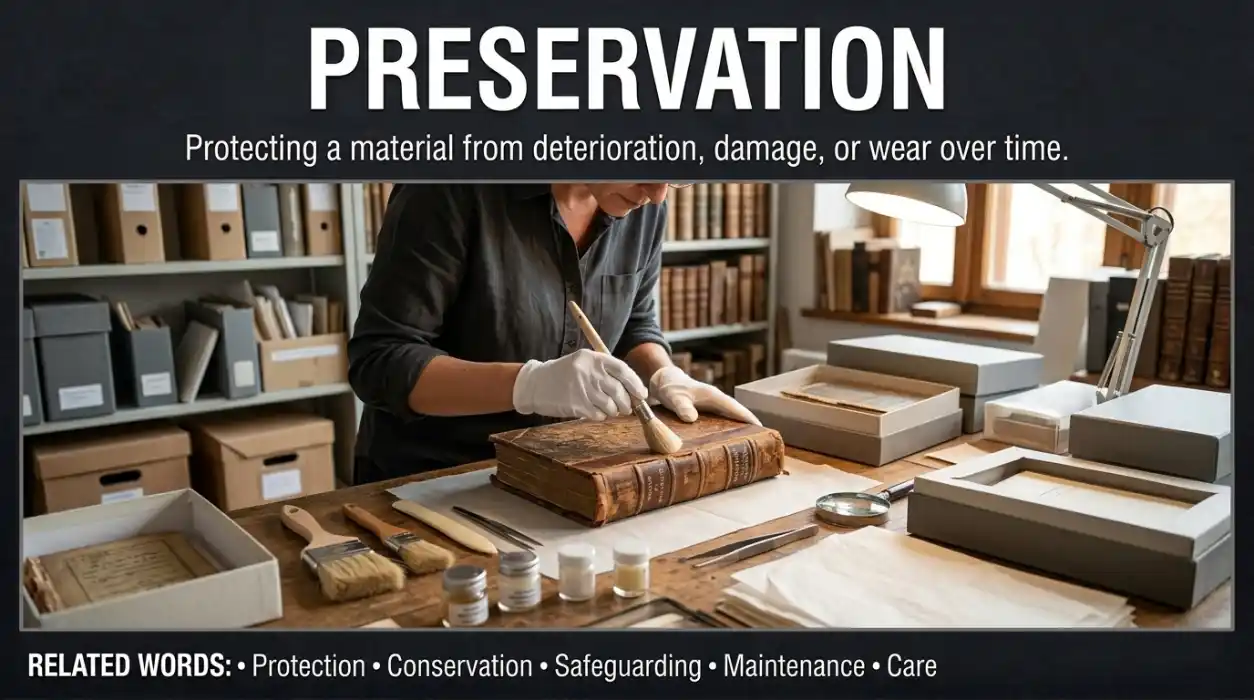
Meaning: Protecting a material from deterioration or damage over time.
Tone/Register: Technical, conservation.
Examples:
- Material preservation is essential when storing historic leather goods.
- The museum developed a plan for material preservation.
Synonyms by Tone
Tone helps readers understand whether you are describing a beauty result, a health concern, or an industrial process.
Positive or beauty-focused
- Bronzing
- Golden glow
- Sun-kissed look
- Golden tan
- Warm complexion
These expressions often sound appealing in lifestyle writing. However, positive wording should not imply that UV exposure is medically beneficial.
Neutral or descriptive
- Sunbathing
- Browning
- Darkening
- Sunless tanning
- Skin darkening
- Pigmentation
- Color change
These terms work well in explanations and general descriptions.
Health-focused or cautionary
- Sun exposure
- Sun-induced pigmentation
- Discoloration
- Indoor tanning
These expressions suit educational content that discusses skin changes or UV-related risks.
Technical or professional
- Leather processing
- Hide preservation
- Leather finishing
- Melanogenesis
- Surface treatment
- Material preservation
Use these terms when the audience needs a precise scientific or manufacturing explanation.
“Tanning” vs. Close Alternatives
| Term | Meaning | Best context |
|---|---|---|
| Tanning | Developing darker skin or treating hides to make leather | General discussion; meaning depends on context |
| Sunbathing | Spending time in the sun, often to get a tan | Leisure and outdoor activities |
| Bronzing | Creating a bronze-like skin color | Beauty and cosmetics |
| Sunless tanning | Creating a tanned look without UV exposure | Skincare and cosmetic products |
| Pigmentation | The presence or distribution of color | Medical and scientific writing |
| Leather processing | The broader treatment of hides and leather | Manufacturing and craft |
Which word should you choose? Use sunbathing when describing an activity, bronzing when emphasizing appearance, and sunless tanning when explaining a non-UV method. Use pigmentation for scientific descriptions of skin color. In leatherwork, leather processing is broader than tanning itself.
How “Tanning” Changes by Context
Daily conversation: People often use tanning to mean spending time in the sun or developing a darker appearance. Sunbathing emphasizes the activity, while tan describes the color or result.
Writing and blogging: Beauty and travel writers can vary their wording with phrases such as bronzed appearance, sun-kissed look, and sunless tanning. Avoid repeating attractive expressions so often that the writing sounds promotional or exaggerated.
Professional or academic tone: Medical writing should distinguish pigmentation changes from tanning caused by UV exposure. Leather industry writing should distinguish tanning from related stages such as curing, conditioning, and finishing.
Creative or informal use: Phrases such as golden glow and sun-kissed look can create a vivid image in fiction or lifestyle writing. More neutral terms work better when the goal is factual explanation rather than atmosphere.
Common Mistakes Learners Make
- Treating every term as an exact synonym: Sunbathing describes an activity. Bronzing describes a color effect. Pigmentation refers more broadly to skin color.
- Confusing sunless tanning with UV tanning: Sunless products color the outer skin layers. They do not reproduce the protective response associated with melanin production after UV exposure.
- Using “sun-kissed” in scientific writing: This phrase is expressive and informal. It is not a precise medical term.
- Calling every skin color change a tan: Pigmentation changes can have several causes. Do not automatically attribute a new or unusual change to sunlight.
- Confusing leather tanning with skin tanning: The same word describes different processes. Use surrounding context to make the intended meaning clear.
- Using related technical terms as direct replacements: Curing, conditioning, and finishing are distinct stages or treatments in leatherwork. They do not all mean tanning.
Register Notes
In casual speech, tan, sunbathing, and fake tanning are easy to understand. Beauty articles often use bronzing, golden glow, and sun-kissed look for descriptive effect.
In scientific or professional writing, choose terms such as pigmentation, sun exposure, melanogenesis, and leather processing when they accurately match the subject. If the topic is health, use precise language and avoid implying that a UV tan is harmless.
Real-Life Mini Scenarios
Workplace:
A skincare writer is preparing an educational article. They replace repeated uses of tanning with sunless tanning, skin darkening, and pigmentation where each term fits the meaning.
Social situation:
A friend says they spent the afternoon tanning. You can describe the activity more specifically by saying they were sunbathing. If they used a lotion instead, self-tanning is more accurate.
Media and pop culture:
A beauty article describes a celebrity’s bronzed appearance. This phrase focuses on how the person looks, not on how the color was achieved.
Writing or storytelling:
A leatherworker explains how raw hides become durable material. Here, hide treatment and leather processing fit the subject better than beauty-related expressions.
Practice Quiz:
1. Someone spends an afternoon lying in the sun. Which term best describes the activity?
A. Leather finishing
B. Sunbathing
C. Melanogenesis
D. Hide curing
2. A beauty writer wants to describe a bronze-colored makeup effect. Which word fits best?
A. Bronzing
B. Grievance
C. Preservation
D. Oxidation
3. A person wants a tanned appearance without deliberately exposing their skin to UV rays. Which term is most appropriate?
A. Indoor tanning
B. Sunless tanning
C. Sun exposure
D. Hide treatment
4. A medical article discusses the distribution of color in the skin. Which term is most precise?
A. Golden glow
B. Sunbathing
C. Pigmentation
D. Sun-kissed look
5. A writer describes a warm, lightly bronzed appearance in a holiday photograph. Which phrase works best?
A. Hide preservation
B. Sun-kissed look
C. Surface treatment
D. Melanogenesis
6. A factory turns raw animal hides into leather. Which broad term describes this work?
A. Self-tanning
B. Leather processing
C. Sun exposure
D. Skin bronzing
7. Which term describes preserving raw hides before further processing?
A. Hide curing
B. Golden tan
C. Color enhancement
D. Sunbathing
8. A scientist studies the biological process that produces melanin. What is the correct term?
A. Leather finishing
B. Fake tanning
C. Melanogenesis
D. Color development
9. A person applies a cosmetic product to create a tanned appearance at home. Which term is most suitable?
A. Self-tanning
B. Hide preservation
C. Sun exposure
D. Leather manufacturing
Reflection task:
Write one sentence using bronzing, sunless tanning, pigmentation, or leather processing. Then rewrite the sentence using another suitable expression. Explain how the meaning changes.
Answer key: 1-B, 2-A, 3-B, 4-C, 5-B, 6-B, 7-A, 8-C, 9-A
External Sources
For accurate definitions, pronunciation, word history, and health information, consult these reliable references:
- Merriam-Webster Dictionary — definitions, word forms, and usage.
- Cambridge Dictionary — learner-friendly meanings and pronunciation.
- Oxford English Dictionary — historical word development and etymology.
- American Academy of Dermatology — dermatologist-reviewed information about tanning and sun protection.
- NHS — public health guidance about sun exposure and skin protection.
Dictionary sources help confirm word meaning and usage. For health claims about tanning, prioritize reputable medical sources rather than beauty marketing.
Conclusion
Learning synonyms for tanning helps you describe skin color, cosmetic effects, and leather production with greater accuracy. The best word depends on the process or result you mean.
A wider vocabulary improves essays, blog posts, conversations, and professional writing. Terms such as bronzing, pigmentation, and leather processing make explanations clearer.
Pay attention to context before choosing an alternative. A phrase that sounds attractive in a beauty article may be unsuitable for a medical or scientific explanation.
Practice by writing a sentence with three new terms, then use them in an email, an essay, or a conversation. Small steps build lasting confidence.
Frequently Asked Questions
1. What is another word for tanning in a beauty article?
In a beauty article, useful alternatives include bronzing, self-tanning, sunless tanning, and a sun-kissed look. Choose bronzing when describing a cosmetic effect, self-tanning when someone applies a product themselves, and sunless tanning when emphasizing that the color is created without intentional UV exposure. These terms describe different methods or results, so context matters.
2. What is the difference between tanning and sunbathing?
Tanning usually refers to developing darker skin or to the process of treating animal hides to make leather. Sunbathing means spending time in the sun, often with the intention of getting a tan. A person can sunbathe without developing a noticeable tan, and tanning can also occur through sunless cosmetic products without sunbathing.
3. What is the most accurate scientific term for tanning skin?
The best scientific wording depends on the process being described. Skin pigmentation refers to the presence and distribution of color, while melanogenesis describes the biological production of melanin. UV exposure can trigger changes in pigmentation, but not every change in skin color is a tan. Medical writing should describe the observed change rather than assume its cause.
4. Are “bronzing” and “tanning” the same?
No. Tanning commonly refers to a darker skin appearance or the process that produces it. Bronzing often describes a bronze-colored cosmetic effect, such as one created by makeup or a tanning product. In beauty writing, the terms sometimes overlap, but bronzing does not necessarily mean that the skin has developed a UV-induced tan.
5. What is tanning called when no sunlight is involved?
It is commonly called sunless tanning or self-tanning when a person applies a product that temporarily colors the skin. Spray tanning refers to applying a tanning solution as a mist. These methods can create a tanned appearance without deliberate UV exposure, but they generally do not protect the skin from sunburn.

Shahzeena Shazadi is the founder and lead writer at VocablyHub.com, where she creates accurate, reader-focused English language content designed to help people communicate with clarity and confidence. She specializes in synonyms, antonyms, word meanings, idioms, and practical vocabulary guides that simplify complex language concepts for everyday use. Every article is carefully researched, fact-checked, and written in clear, accessible language using reliable references and real-world examples. Her goal is to provide helpful, trustworthy content that supports learners at every stage of their English language journey.
Her editorial approach focuses on accuracy, transparency, and user value while following modern content quality standards. She regularly reviews and updates content to keep information relevant, useful, and easy to understand. Through VocablyHub.com, Shahzeena Shazadi is committed to publishing reliable language resources that help students, writers, educators, professionals, and English learners expand their vocabulary, improve their writing skills, and communicate with confidence in academic, professional, and everyday situations.