
Synonyms for identifier can help when “identifier” feels too technical. Imagine labeling files at work so everyone knows which document belongs to a project.
A simple example is an ID number on a student card. That number identifies one person and separates them from others in a clear way.
The right synonym for identifier can make writing sound more natural. Students, bloggers, writers, and daily English users can all benefit from these choices.
Whether you need a formal term or an everyday alternative, learning a synonym for identifier gives you more precise ways to explain names, codes, labels, and signs.
What Does “Identifier” Really Mean?
An identifier is something that identifies a person, object, place, record, account, or other item.
In simple English, an identifier is a name, number, code, label, or other feature used to recognize or distinguish something.
For example, a student ID is an identifier because it helps a school recognize a particular student. A username can also be an identifier because it distinguishes one account from another.
The word is common in technology, business, education, administration, databases, science, and everyday communication.
Part of Speech
Identifier is primarily a noun.
It can refer to a physical item, such as a label, or an abstract element, such as a code or reference number.
Connotative Meaning
Connotation (the feeling or association a word creates beyond its basic meaning) can change depending on context.
Positive tone: Identifier can suggest clarity, organization, accuracy, and easy recognition.
Negative tone: In some contexts, it can sound overly technical, bureaucratic, or impersonal.
Neutral tone: Most often, identifier is simply a factual and neutral term for something that distinguishes one item from another.
Native speakers commonly understand the word as a practical term rather than an emotional one.
Etymology of “Identifier”
The word identifier is a relatively modern English formation based on the verb identify.
Identify ultimately comes from Late Latin identificare, meaning “to make identical” or “to identify.” It is connected with Latin idem, meaning “the same.”
English later developed identify as a verb for recognizing or establishing who or what someone or something is. The noun identifier was formed by adding the agentive suffix -er, creating a word for something or someone that identifies.
Old English: 450–1100
The modern word identifier did not exist in Old English. English at this time used different native words and expressions for recognizing, knowing, naming, and distinguishing people or things.
Middle English: 1100–1500
After the Norman Conquest, English absorbed many French and Latin-based words. Ideas connected with identity, recognition, and naming became increasingly expressed through Romance-derived vocabulary.
Modern English: 1500–Present
The forms identify, identification, and identifier became established in Modern English. Today, identifier is especially common in technical, administrative, academic, and digital contexts.
Pronunciation of “Identifier”
US: /aɪˈdentəˌfaɪər/
UK: /aɪˈdentɪˌfaɪə/
Syllables
i-den-ti-fi-er
Affixation Pattern of “Identifier”
Root: ident- / identity-related base
Prefix: None
Suffix: -ify + -er
The -ify ending helps form a verb meaning to make or establish something in a particular state. The -er ending commonly forms nouns for people or things that act.
Synonyms for “Identifier”
The best synonym depends on what is being identified. A label may suit a physical object, while a code often fits a technical system. A name works naturally for people and things, while a marker can describe a distinguishing feature.
Label (Noun) — US /ˈleɪbəl/ | UK /ˈleɪbəl/
Meaning: A label is a word, name, number, or sign attached to something to identify or describe it.
Examples:
- Put a label on each storage box.
- The folder has a label showing the project name.

Designation (Noun) — US /ˌdezɪɡˈneɪʃən/ | UK /ˌdezɪɡˈneɪʃən/
Meaning: A designation is an official name, title, code, or description given to something.
Examples:
- The product received a new designation.
- Use the correct designation on the form.
Marker (Noun) — US /ˈmɑrkər/ | UK /ˈmɑːkə/
Meaning: A marker is something that shows or distinguishes a particular person, place, object, or condition.
Examples:
- The red flag is a marker for the entrance.
- Researchers used a biological marker in the study.
Signifier (Noun) — US /ˈsɪɡnəˌfaɪər/ | UK /ˈsɪɡnɪˌfaɪə/
Meaning: A signifier is something that represents or points to a particular meaning, person, or thing.
Examples:
- The logo became a signifier of the brand.
- Color can act as a signifier of different categories.
Tag (Noun) — US /tæɡ/ | UK /tæɡ/
Meaning: A tag is a short label, word, or code used to identify or organize something.
Examples:
- Add a tag to the document.
- Each photo has a location tag.
Code (Noun) — US /koʊd/ | UK /kəʊd/
Meaning: A code is a set of letters, numbers, or symbols used to identify something.
Examples:
- Enter the code printed on the package.
- Each department has its own code.
Reference (Noun) — US /ˈrefərəns/ | UK /ˈrefərəns/
Meaning: A reference is a name, number, or detail used to identify or locate something.
Examples:
- Please include the reference in your email.
- The invoice has a unique reference.
Reference Number (Noun) — US /ˈrefərəns ˌnʌmbər/ | UK /ˈrefərəns ˌnʌmbə/
Meaning: A reference number is a specific number assigned to an item for identification or tracking.
Examples:
- Your reference number is on the receipt.
- Give us the reference number when you call.
ID (Noun) — US /ˌaɪˈdiː/ | UK /ˌaɪˈdiː/
Meaning: An ID is a name, number, card, or document used to establish or recognize identity.
Examples:
- Please show your ID at the entrance.
- Your employee ID appears on the card.
Name (Noun) — US /neɪm/ | UK /neɪm/
Meaning: A name is a word used to identify a person, place, object, organization, or concept.
Examples:
- Write your name at the top.
- The file name identifies the document.
Title (Noun) — US /ˈtaɪtəl/ | UK /ˈtaɪtəl/
Meaning: A title is a name given to a work, position, person, or subject.
Examples:
- Give the article a clear title.
- Her job title appears on her profile.
Symbol (Noun) — US /ˈsɪmbəl/ | UK /ˈsɪmbəl/
Meaning: A symbol is a sign or mark that represents something specific.
Examples:
- The symbol identifies the emergency exit.
- A heart is a common symbol of love.
Indicator (Noun) — US /ˈɪndəˌkeɪtər/ | UK /ˈɪndɪˌkeɪtə/
Meaning: An indicator is something that points to or shows a particular thing or condition.
Examples:
- The light is an indicator of low battery.
- Attendance is an indicator of student engagement.
Token (Noun) — US /ˈtoʊkən/ | UK /ˈtəʊkən/
Meaning: A token is a distinctive item, value, or piece of information used to represent or identify something.
Examples:
- The system creates a unique token.
- Each session receives its own token.
Handle (Noun) — US /ˈhændəl/ | UK /ˈhændəl/
Meaning: A handle is a name or identifier used to represent someone online or in a particular system.
Examples:
- Her social media handle is easy to remember.
- Use your online handle when joining the discussion.
Username (Noun) — US /ˈjuːzərˌneɪm/ | UK /ˈjuːzəˌneɪm/
Meaning: A username is a name used to identify a person within an online account or system.
Examples:
- I forgot my username.
- Enter your username before signing in.
Account Name (Noun) — US /əˈkaʊnt neɪm/ | UK /əˈkaʊnt neɪm/
Meaning: An account name is a name used to identify a particular account.
Examples:
- Check the account name before sending money.
- Her account name is different from her real name.
Key (Noun) — US /kiː/ | UK /kiː/
Meaning: A key is a value or code used to identify a particular record or item, especially in technical contexts.
Examples:
- Every customer has a unique key.
- The database uses a key to find the record.
Index (Noun) — US /ˈɪndeks/ | UK /ˈɪndeks/
Meaning: An index is a reference system that helps identify or locate information.
Examples:
- Search the index for the author’s name.
- The index helps readers find important terms.
Locator (Noun) — US /ˈloʊˌkeɪtər/ | UK /ləʊˈkeɪtə/
Meaning: A locator is something used to identify or find the position of a person, object, or place.
Examples:
- The map includes a store locator.
- The locator shows the nearest station.
Pointer (Noun) — US /ˈpɔɪntər/ | UK /ˈpɔɪntə/
Meaning: A pointer is something that indicates or refers to a particular item or location.
Examples:
- The arrow acts as a pointer.
- The pointer directs readers to the relevant section.
Serial Number (Noun) — US /ˈsɪriəl ˌnʌmbər/ | UK /ˈsɪəriəl ˌnʌmbə/
Meaning: A serial number is a unique number assigned to a particular product or item.
Examples:
- Check the serial number on the device.
- The serial number identifies the machine.
Registration Number (Noun) — US /ˌredʒəˈstreɪʃən ˌnʌmbər/ | UK /ˌredʒɪˈstreɪʃən ˌnʌmbə/
Meaning: A registration number is an official number used to identify a registered person, vehicle, item, or organization.
Examples:
- Write down the vehicle registration number.
- The registration number appears on the certificate.
Tracking Number (Noun) — US /ˈtrækɪŋ ˌnʌmbər/ | UK /ˈtrækɪŋ ˌnʌmbə/
Meaning: A tracking number is a unique number used to identify and follow a shipment or delivery.
Examples:
- I checked the tracking number online.
- The tracking number shows that the package shipped today.
Reference Code (Noun) — US /ˈrefərəns koʊd/ | UK /ˈrefərəns kəʊd/
Meaning: A reference code is a combination of characters used to identify a particular item, case, or transaction.
Examples:
- Include the reference code in your reply.
- The reference code identifies the application.

Access Code (Noun) — US /ˈækses koʊd/ | UK /ˈækses kəʊd/
Meaning: An access code is a combination of characters used to identify or authorize access to a system or service.
Examples:
- Enter the access code carefully.
- The teacher gave students an access code.
Identifier Code (Noun) — US /aɪˈdentəˌfaɪər koʊd/ | UK /aɪˈdentɪˌfaɪə kəʊd/
Meaning: An identifier code is a specific combination of characters used to distinguish one item from another.
Examples:
- Each record has an identifier code.
- Write the identifier code on the form.
Record Number (Noun) — US /ˈrekərd ˌnʌmbər/ | UK /ˈrekɔːd ˌnʌmbə/
Meaning: A record number is a unique number assigned to a particular record or entry.
Examples:
- The clerk searched for the record number.
- Add the record number to the report.
Entity Name (Noun) — US /ˈentəti neɪm/ | UK /ˈentəti neɪm/
Meaning: An entity name is the specific name used to identify a person, organization, object, or other entity.
Examples:
- Enter the entity name exactly as shown.
- The entity name appears in the database.
Distinguishing Mark (Noun) — US /dɪˈstɪŋɡwɪʃɪŋ mɑrk/ | UK /dɪˈstɪŋɡwɪʃɪŋ mɑːk/
Meaning: A distinguishing mark is a visible or noticeable feature that helps identify something.
Examples:
- The scar was a distinguishing mark.
- The logo became a distinguishing mark of the company.
Designator (Noun) — US /ˈdezɪɡˌneɪtər/ | UK /ˈdezɪɡˌneɪtə/
Meaning: A designator is a word, symbol, number, or code used to identify or distinguish something.
Examples:
- The designator appears next to each item.
- Use the correct designator in the official record.
Appellation (Noun) — US /ˌæpəˈleɪʃən/ | UK /ˌæpəˈleɪʃən/
Meaning: An appellation is a name or title used to identify a person, place, or thing.
Examples:
- The town has a famous historical appellation.
- The author chose a distinctive appellation for the character.
Moniker (Noun) — US /ˈmɑːnɪkər/ | UK /ˈmɒnɪkə/
Meaning: A moniker is a name or nickname used to identify a person, place, or thing.
Examples:
- The athlete became known by a memorable moniker.
- The band adopted a new moniker.
Nickname (Noun) — US /ˈnɪkˌneɪm/ | UK /ˈnɪkˌneɪm/
Meaning: A nickname is an informal name used instead of someone’s usual name.
Examples:
- His nickname became popular at school.
- The city has a well-known nickname.
Alias (Noun) — US /ˈeɪliəs/ | UK /ˈeɪliəs/
Meaning: An alias is another name used to identify a person, account, or entity.
Examples:
- The writer published the novel under an alias.
- She uses an alias for her online profile.
Pseudonym (Noun) — US /ˈsuːdənɪm/ | UK /ˈsuːdənɪm/
Meaning: A pseudonym is a false or alternative name used instead of a person’s real name.
Examples:
- The author writes under a pseudonym.
- He chose a pseudonym for his creative work.
Epithet (Noun) — US /ˈepəˌθet/ | UK /ˈepɪˌθet/
Meaning: An epithet is a descriptive name or phrase used to identify or characterize someone or something.
Examples:
- The king earned an epithet for his bravery.
- The poet gave the hero a memorable epithet.
Byname (Noun) — US /ˈbaɪˌneɪm/ | UK /ˈbaɪˌneɪm/
Meaning: A byname is an additional name used to identify a person.
Examples:
- The ruler was known by a distinctive byname.
- Historical records often include a person’s byname.
Caption (Noun) — US /ˈkæpʃən/ | UK /ˈkæpʃən/
Meaning: A caption is text that identifies or describes a picture, image, or illustration.
Examples:
- The caption identifies the people in the photograph.
- Add a short caption below the diagram.
Heading (Noun) — US /ˈhedɪŋ/ | UK /ˈhedɪŋ/
Meaning: A heading is a title or label that identifies a section of written content.
Examples:
- The heading identifies the main topic.
- Choose a clear heading for the new section.
Listing (Noun) — US /ˈlɪstɪŋ/ | UK /ˈlɪstɪŋ/
Meaning: A listing is an entry that provides information used to recognize or locate something.
Examples:
- The directory contains a listing for each business.
- Check the listing to find the correct entry.
Entry (Noun) — US /ˈentri/ | UK /ˈentri/
Meaning: An entry is a recorded item that identifies a person, object, event, or piece of information.
Examples:
- Each entry has a unique number.
- Find the correct entry in the directory.
Record (Noun) — US /ˈrekərd/ | UK /ˈrekɔːd/
Meaning: A record is stored information that provides details about and helps identify something.
Examples:
- The database contains a record for every customer.
- I checked the record before updating the information.
Profile (Noun) — US /ˈproʊfaɪl/ | UK /ˈprəʊfaɪl/
Meaning: A profile is a collection of information that represents or identifies a person, organization, or account.
Examples:
- Her profile includes her professional details.
- The system created a profile for the new user.
Signature (Noun) — US /ˈsɪɡnətʃər/ | UK /ˈsɪɡnətʃə/
Meaning: A signature is a distinctive mark or feature that can help identify a person, work, or style.
Examples:
- His signature style is easy to recognize.
- The artist’s signature appears on the painting.
Fingerprint (Noun) — US /ˈfɪŋɡərˌprɪnt/ | UK /ˈfɪŋɡəˌprɪnt/
Meaning: A fingerprint is a unique pattern or digital representation that can be used to identify someone or something.
Examples:
- The scanner uses a fingerprint for identification.
- Every person has a unique fingerprint.
Barcode (Noun) — US /ˈbɑrˌkoʊd/ | UK /ˈbɑːˌkəʊd/
Meaning: A barcode is a pattern of lines or symbols used to identify a product or item.
Examples:
- Scan the barcode at the checkout.
- The barcode identifies each product.
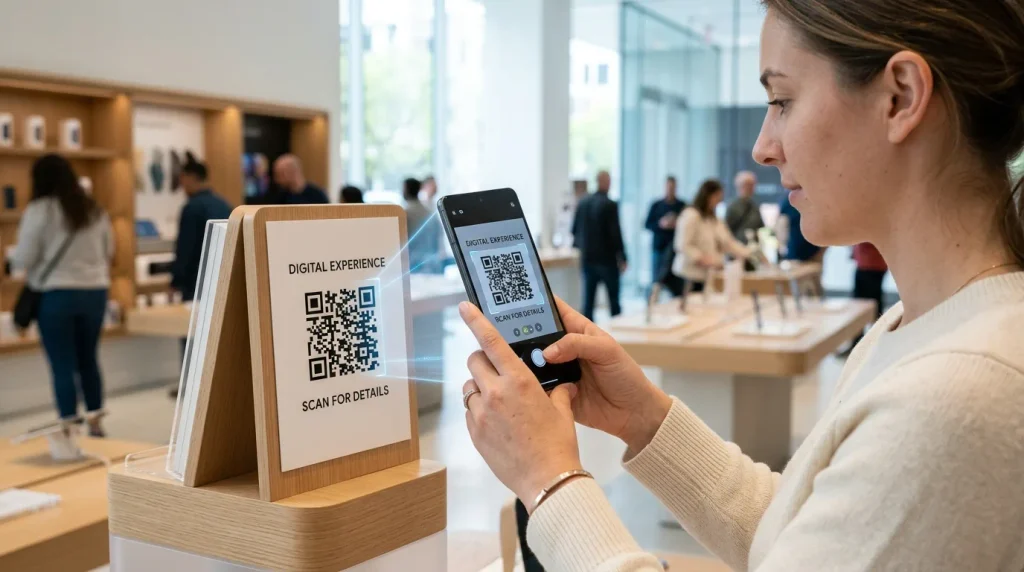
QR Code (Noun) — US /ˌkjuːˈɑr koʊd/ | UK /ˌkjuːˈɑː kəʊd/
Meaning: A QR code is a machine-readable pattern that can contain information used to identify or connect to something.
Examples:
- Scan the QR code to open the menu.
- Each ticket has a unique QR code.
License Number (Noun) — US /ˈlaɪsəns ˌnʌmbər/ | UK /ˈlaɪsəns ˌnʌmbə/
Meaning: A license number is an official number used to identify a licensed person, vehicle, or organization.
Examples:
- The officer recorded the license number.
- Enter your license number on the application.
Case Number (Noun) — US /ˈkeɪs ˌnʌmbər/ | UK /ˈkeɪs ˌnʌmbə/
Meaning: A case number is a unique number assigned to a particular case for identification and tracking.
Examples:
- Please provide your case number.
- The lawyer searched for the correct case number.
Synonyms by Tone
Positive
Some alternatives can emphasize clarity, organization, or easy recognition.
Label, designation, marker, reference, name, and locator can sound clear and practical.
These words are useful when you want your writing to feel organized and precise.
Neutral
Neutral choices work well in most factual situations.
Identifier, code, ID, reference number, serial number, record number, key, index, and registration number are especially common in technical or administrative writing.
Negative
There are few inherently negative synonyms for identifier because the concept itself is usually neutral.
However, terms such as designation or label can sometimes sound impersonal when applied to people. Context determines the effect.
Playful or Informal
Handle is more informal than most alternatives.
It is especially natural when discussing online identities, gaming names, social media accounts, or usernames.
Why Tone Matters
Choosing the right word makes communication more precise.
For example, serial number is better for a physical product, while username is more natural for an online account.
Using the most specific term prevents confusion and makes your writing sound more fluent.
“Identifier” vs Close Alternatives
| Word | Meaning Difference | Tone | Best Use |
|---|---|---|---|
| Identifier | Something that distinguishes or recognizes an item | Neutral | General and technical contexts |
| Label | A word, mark, or tag attached to something | Neutral | Products, files, categories |
| Code | Characters used to represent or identify something | Technical | Systems, records, products |
| Name | A word used to identify someone or something | Everyday | People, places, objects |
Identifier vs Label
The term Identifier is broader. It can be a number, code, name, or other feature.
Label usually suggests something physically or digitally attached to an item.
Identifier vs Code
A code is often a type of identifier.
For example, a product code identifies a product, while the broader term identifier can include its name, serial number, or reference number.
Identifier vs Name
A name is one common form of identifier.
However, an identifier does not always have to be a name. It can also be a number or technical value.
How “Identifier” Changes by Context
Daily Conversation
In everyday speech, people often prefer simpler words such as name, ID, label, number, or code.
For example, someone might say, “What is the tracking number?” rather than “What is the shipment identifier?”
The simpler option usually sounds more natural in casual conversation.
Writing or Blogging
Bloggers can use identifier when discussing categories, records, accounts, products, or digital information.
However, a more specific word can make the writing easier to understand.
Instead of repeatedly saying identifier, you might use label, name, tag, or reference number when the context allows it.
Professional or Academic Tone
Identifier is highly useful in professional and academic writing.
It commonly appears in research papers, databases, reports, forms, records, scientific studies, and technical documentation.
For example, researchers may assign an identifier to each participant while keeping personal information separate.
Creative or Informal Use
Creative writing usually benefits from more vivid and familiar words.
Name, mark, symbol, sign, or title may create a stronger mental image than the technical word identifier.
Informal digital contexts also commonly use a handle or username.
Common Mistakes Learners Make
Using “Code” for Every Identifier
Not every identifier is a code.
A person’s name, a product label, or a serial number can identify something without being called a code.
Using “Name” for Technical Values
A number can identify an item without being its name.
For example, a serial number identifies a laptop, but it is not the laptop’s name.
Treating “ID” and “Identifier” as Completely Different
ID is often an abbreviation for identification or identifier.
The exact meaning depends on context.
Using Technical Words in Casual Conversation
The word identifier is correct, but it can sound formal or technical.
In casual situations, name, number, ID, or username may feel more natural.
Overusing “Identifier”
Repeating the same word can make an article or report sound mechanical.
Use a precise alternative when it genuinely fits the context.
Register Notes
Formal: identifier, designation, reference number, registration number, distinguishing mark
Neutral: label, name, code, marker, reference, symbol, indicator
Technical: key, token, locator, pointer, identifier code
Informal: handle, username, tag
Spoken English: name, ID, number, code, label
Written English: identifier, designation, reference, record number, serial number
For more vocabulary learning, an internal link to another relevant synonyms article can help readers compare related words and build stronger word-choice skills.
Real-Life Mini Scenarios Using “Identifier”
Workplace
A company assigns every employee an employee number.
That number works as an identifier because it distinguishes one employee from another.
Social Situation
A person uses a username on a social platform.
The username acts as an identifier for that account.
Media and Pop Culture
A movie franchise may use a distinctive symbol as an identifier.
Fans can recognize the series quickly because of that visual marker.
Writing and Storytelling
An author may give each character a distinctive name, title, or feature.
That detail becomes an identifier that helps readers remember the character.
How to Choose the Best Synonym for Identifier
Use label when a word or mark is attached to an item.
Choose code when letters or numbers represent something within a system.
Use name when identifying people, places, organizations, or ordinary objects.
Choose reference number when a number helps people find or discuss a particular record.
Use serial number for individual products or manufactured items.
Choose username for an online account.
Use handle when the setting is informal, especially social media or online communities.
Choose marker when a feature helps distinguish something.
Use designation when the identifier is official or formally assigned.
Choose symbol when a visual sign represents or identifies something.

Practice Exercise:
Workplace Scenarios
- The company gave every employee a unique ______ for payroll records.
A) symbol
B) identifier
C) story
D) color - Please write the product ______ on the warranty form.
A) serial number
B) username
C) handle
D) title - The package tracking ______ is printed on the receipt.
A) name
B) tracking number
C) symbol
D) designation
Daily English
- What is your social media ______?
A) handle
B) serial number
C) record number
D) locator - Put a ______ on the box so you know what is inside.
A) label
B) token
C) pointer
D) key - Please enter your account ______ before signing in.
A) marker
B) username
C) symbol
D) title
Academic and Professional Use
- Each research participant received a unique ______.
A) identifier
B) handle
C) logo
D) nickname - The report uses a ______ number to locate each case.
A) reference
B) playful
C) creative
D) personal - The warning symbol acts as an ______ of danger.
A) indicator
B) username
C) account name
D) handle
Context and Tone
- Which word sounds most technical?
A) name
B) identifier
C) nickname
D) label - Which term is most appropriate for a product’s unique manufacturing number?
A) serial number
B) username
C) title
D) handle - Which word is most natural for an online nickname used publicly?
A) handle
B) registration number
C) record number
D) designation
Application Task
Write one sentence using any synonym for identifier.
Try to choose a word that fits a real situation, such as an email, school assignment, workplace report, social media account, or daily conversation.
Answer Key
- B, 2. A, 3. B, 4. A, 5. A, 6. B, 7. A, 8. A, 9. A, 10. B, 11. A, 12. A
Conclusion
Learning a synonym for identifier gives you more control over your vocabulary. You can choose words that sound natural in everyday, academic, and professional situations.
Strong word choice also improves writing. Instead of repeating identifier, you can use a precise term such as label, code, name, marker, or reference number.
Bloggers, students, writers, and English learners can use these alternatives to make communication clearer and more engaging. Practice them in emails, essays, and conversations.
Keep learning through real examples. Choose one new synonym today and use it in your own sentence to build confidence and stronger everyday English.

Shahzeena Shazadi is the founder and lead writer at VocablyHub.com, where she creates accurate, reader-focused English language content designed to help people communicate with clarity and confidence. She specializes in synonyms, antonyms, word meanings, idioms, and practical vocabulary guides that simplify complex language concepts for everyday use. Every article is carefully researched, fact-checked, and written in clear, accessible language using reliable references and real-world examples. Her goal is to provide helpful, trustworthy content that supports learners at every stage of their English language journey.
Her editorial approach focuses on accuracy, transparency, and user value while following modern content quality standards. She regularly reviews and updates content to keep information relevant, useful, and easy to understand. Through VocablyHub.com, Shahzeena Shazadi is committed to publishing reliable language resources that help students, writers, educators, professionals, and English learners expand their vocabulary, improve their writing skills, and communicate with confidence in academic, professional, and everyday situations.