
Synonyms for hydration can be useful when you want to describe drinking enough water without repeating the same word. For example, a coach may discuss fluid intake.
In everyday life, hydration often appears in health, fitness, sports, skincare, and wellness conversations. Therefore, knowing related words makes your English more flexible.
For students, bloggers, writers, and daily English users, these alternatives make descriptions more precise. You can choose a word that matches the exact situation.
Learning a synonym for hydration also improves vocabulary and writing variety. However, each alternative has its own meaning, tone, and natural context.
What Does “Hydration” Really Mean?
Hydration means the process of providing or maintaining enough water or fluid in the body, or adding moisture to another substance.
In simple English, hydration is the act or condition of having enough water or moisture.
Native speakers commonly use the word when discussing drinking water, sports, exercise, health, medicine, skincare, food, plants, and materials.
For example:
- “Good hydration helps you feel comfortable during exercise.”
- “The plant needs regular hydration.”
- “This cream provides hydration for dry skin.”
The word is generally neutral and positive. It does not normally express a strong emotion. Instead, the emotional meaning depends on the surrounding context.
Part of Speech
Hydration is primarily a noun.
The related verb is hydrate, while hydrated is an adjective and hydrating can function as an adjective or present participle.
Connotative Meaning
Connotation (the feeling or association that a word suggests beyond its basic dictionary meaning) can change slightly depending on context.
Positive tone: Hydration can suggest health, freshness, energy, care, and physical well-being.
Negative tone: The word itself is not negative. However, phrases such as “poor hydration” or “dehydration risk” can suggest a problem.
Neutral tone: In scientific, academic, or medical writing, hydration is usually factual and objective.
Etymology
The word hydration comes from the technical verb hydrate, which is connected to French hydrater and ultimately derives from Greek hydōr, meaning “water.”
The English noun hydration developed as part of scientific and medical vocabulary. Consequently, it became especially useful for describing the relationship between water and the body, substances, or chemical processes.
Old English: 450–1100
The exact noun hydration was not part of ordinary Old English vocabulary. Instead, Old English had native words associated with water, drinking, and wetness.
Middle English: 1100–1500
The modern scientific term was still absent from common Middle English. Words connected with water and moisture continued to develop through French and Latin influence.
Modern English: 1500–Present
During the Modern English period, scientific vocabulary expanded rapidly. Terms based on Greek and Latin roots became increasingly common in medicine, chemistry, and biology.
Today, hydration is widely used in health writing, sports science, skincare, nutrition, and everyday conversation.
Pronunciation
US Pronunciation
US: /haɪˈdreɪʃən/
UK Pronunciation
UK: /haɪˈdreɪʃən/
Syllables
hy-dra-tion
Affixation Pattern of Hydration
Root: hydr- / hydro-, related to water
Prefix: None in the modern word structure
Suffix: -ation, forming a noun that describes an action, process, or result
Synonyms List:
The best synonym depends on what you mean by hydration. Some alternatives focus on drinking fluids, while others emphasize restoring water, maintaining fluid levels, or adding moisture.
Rehydration (Noun) — US / UK: /ˌriːhaɪˈdreɪʃən/
Meaning: Rehydration means restoring water or fluids to the body after fluid loss.
Tone/Register: Neutral, medical, health, fitness
Example: After the long run, the athlete focused on rehydration.
She drank water slowly to support rehydration.

Fluid Intake (Noun Phrase) — US / UK: /ˈfluːɪd ˈɪnteɪk/
Meaning: Fluid intake refers to the amount of liquid a person drinks or consumes.
Tone/Register: Neutral, medical, academic
Example: Increasing your fluid intake can be useful during hot weather.
The doctor asked about her daily fluid intake.
Water Intake (Noun Phrase) — US / UK: /ˈwɔːtər ˈɪnteɪk/
Meaning: Water intake describes the amount of water a person drinks.
Tone/Register: Neutral, everyday, health
Example: I am trying to increase my water intake this week.
Tracking water intake can help people build healthier habits.
Fluid Consumption (Noun Phrase) — US / UK: /ˈfluːɪd kənˈsʌmpʃən/
Meaning: Fluid consumption refers to drinking or taking in liquids.
Tone/Register: Formal, academic, medical
Example: Fluid consumption may increase during physical activity.
Researchers recorded the participants’ fluid consumption.
Water Consumption (Noun Phrase) — US / UK: /ˈwɔːtər kənˈsʌmpʃən/
Meaning: Water consumption means the amount of water consumed by a person or group.
Tone/Register: Neutral, formal
Example: Her water consumption increased during the summer.
The study examined daily water consumption.
Fluid Replacement (Noun Phrase) — US / UK: /ˈfluːɪd rɪˈpleɪsmənt/
Meaning: Fluid replacement means replacing fluids lost through sweating, illness, exercise, or other causes.
Tone/Register: Medical, sports, formal
Example: Fluid replacement is important after heavy sweating.
The team planned a fluid replacement strategy for the event.
Fluid Replenishment (Noun Phrase) — US / UK: /ˈfluːɪd rɪˈplenɪʃmənt/
Meaning: Fluid replenishment means restoring fluids that have been lost.
Tone/Register: Formal, fitness, medical
Example: The coach encouraged fluid replenishment after training.
Proper fluid replenishment helped the players recover.
Water Replenishment (Noun Phrase) — US / UK: /ˈwɔːtər rɪˈplenɪʃmənt/
Meaning: Water replenishment means restoring water levels after they have fallen.
Tone/Register: Formal, health
Example: Water replenishment becomes especially important after intense exercise.
The guide explains simple ways to support water replenishment.
Fluid Restoration (Noun Phrase) — US / UK: /ˈfluːɪd ˌrestəˈreɪʃən/
Meaning: Fluid restoration refers to bringing lost body fluids back toward a healthy level.
Tone/Register: Medical, formal
Example: The patient received care aimed at fluid restoration.
Rest and fluids supported her recovery.
Water Restoration (Noun Phrase) — US / UK: /ˈwɔːtər ˌrestəˈreɪʃən/
Meaning: Water restoration describes the process of restoring lost water or moisture.
Tone/Register: Formal, technical
Example: The treatment focuses on water restoration.
The process improves moisture balance over time.
Liquid Intake (Noun Phrase) — US / UK: /ˈlɪkwɪd ˈɪnteɪk/
Meaning: Liquid intake means the amount of liquid consumed.
Tone/Register: Neutral, everyday
Example: Keep your liquid intake steady throughout the day.
Her liquid intake was lower than usual.
Drinking Fluids (Verb Phrase) — US / UK: /ˈdrɪŋkɪŋ ˈfluːɪdz/
Meaning: Drinking fluids means consuming liquids to provide the body with water.
Tone/Register: Everyday, conversational
Example: Remember to keep drinking fluids during the hike.
He felt better after drinking fluids.
Moisture Replenishment (Noun Phrase) — US / UK: /ˈmɔɪstʃər rɪˈplenɪʃmənt/
Meaning: Moisture replenishment means restoring moisture to something that has become dry.
Tone/Register: Skincare, technical, descriptive
Example: The lotion provides moisture replenishment for dry skin.
The hair treatment focuses on moisture replenishment.
Moisture Restoration (Noun Phrase) — US / UK: /ˈmɔɪstʃər ˌrestəˈreɪʃən/
Meaning: Moisture restoration refers to bringing moisture back to a dry substance or surface.
Tone/Register: Skincare, beauty, technical
Example: The cream is designed for moisture restoration.
Dry skin often benefits from gentle moisture care.
Moistening (Noun) — US / UK: /ˈmɔɪsənɪŋ/
Meaning: Moistening means making something slightly wet or restoring moisture to it.
Tone/Register: Neutral, descriptive
Example: Lightly moistening the cloth makes it easier to clean.
The gardener used water to moisten the soil.
Wetting (Noun) — US / UK: /ˈwetɪŋ/
Meaning: Wetting means making something wet by adding water or another liquid.
Tone/Register: Neutral, technical, everyday
Example: Wetting the soil before planting can make the process easier.
The fabric needs gentle wetting before washing.
Dampening (Noun) — US / UK: /ˈdæmpənɪŋ/
Meaning: Dampening means making something slightly damp rather than completely wet.
Tone/Register: Neutral, descriptive
Example: Dampening the towel makes it more comfortable to use.
She used a little water for dampening the surface.

Hydrating (Adjective/Participle) — US / UK: /haɪˈdreɪtɪŋ/
Meaning: Hydrating describes something that supplies or helps retain water or moisture.
Tone/Register: Everyday, wellness, skincare
Example: I like drinking a hydrating beverage after exercise.
The mask has a hydrating effect on dry skin.
Hydrated (Adjective) — US / UK: /haɪˈdreɪtɪd/
Meaning: Hydrated describes a person, plant, or material that has sufficient water or moisture.
Tone/Register: Neutral, everyday, health
Example: She stayed hydrated during the long journey.
The soil remained hydrated after the rain.
Moisturized (Adjective) — US / UK: /ˈmɔɪstʃəraɪzd/
Meaning: Moisturized describes skin or another surface that has been supplied with moisture.
Tone/Register: Beauty, skincare, everyday
Example: My hands feel softer and moisturized after using the cream.
The product leaves the skin moisturized without feeling heavy.
Watering (Noun/Participle) — US / UK: /ˈwɔːtərɪŋ/
Meaning: Watering means supplying water to plants, soil, or similar living systems.
Tone/Register: Gardening, everyday
Example: Morning watering helps the garden stay fresh.
The plants need regular watering during dry weather.
Irrigation (Noun) — US / UK: /ˌɪrəˈɡeɪʃən/
Meaning: Irrigation means deliberately supplying water to crops, gardens, or land.
Tone/Register: Agricultural, technical, formal
Example: The farm uses irrigation during dry periods.
Efficient irrigation can help crops receive adequate water.
Humidification (Noun) — US / UK: /ˌhjuːmɪdɪfɪˈkeɪʃən/
Meaning: Humidification means adding moisture to the air.
Tone/Register: Technical, environmental, medical
Example: Humidification can make very dry indoor air more comfortable.
The system provides controlled humidification during winter.
Moisture Addition (Noun Phrase) — US / UK: /ˈmɔɪstʃər əˈdɪʃən/
Meaning: Moisture addition means introducing water or moisture into a substance or environment.
Tone/Register: Technical, scientific
Example: Moisture addition improved the texture of the material.
The process requires careful moisture addition.
Water Absorption (Noun Phrase) — US / UK: /ˈwɔːtər əbˈzɔːrpʃən/
Meaning: Water absorption describes the process of taking water into a material, tissue, or substance.
Tone/Register: Scientific, technical
Example: The towel has strong water absorption.
Water absorption varies between different materials.
Fluid Balance (Noun Phrase) — US / UK: /ˈfluːɪd ˈbæləns/
Meaning: Fluid balance refers to maintaining an appropriate relationship between fluids entering and leaving the body.
Tone/Register: Medical, academic
Example: Exercise can affect your fluid balance.
Doctors may monitor fluid balance during treatment.
Water Balance (Noun Phrase) — US / UK: /ˈwɔːtər ˈbæləns/
Meaning: Water balance describes the regulation of water levels within a body or system.
Tone/Register: Scientific, academic
Example: The body constantly works to maintain water balance.
Heat can influence normal water balance.
Water Support (Noun Phrase) — US / UK: /ˈwɔːtər səˈpɔːrt/
Meaning: Water support refers broadly to actions or conditions that help provide adequate water.
Tone/Register: Neutral, wellness
Example: Regular water support is useful during demanding activities.
The routine includes simple hydration habits.
Hydration Maintenance (Noun Phrase) — US / UK: /haɪˈdreɪʃən ˈmeɪntənəns/
Meaning: Hydration maintenance means keeping fluid levels adequately supplied over time.
Tone/Register: Medical, fitness, formal
Example: Hydration maintenance matters during long training sessions.
Small, regular drinks can support hydration maintenance.
Fluid Provision (Noun Phrase) — US / UK: /ˈfluːɪd prəˈvɪʒən/
Meaning: Fluid provision means supplying fluids to a person, animal, plant, or system.
Tone/Register: Formal, institutional
Example: Adequate fluid provision was arranged for the participants.
The facility has a clear fluid provision policy.
Oral Rehydration (Noun Phrase) — US / UK: /ˈɔːrəl ˌriːhaɪˈdreɪʃən/
Meaning: Oral rehydration means restoring lost fluids by drinking a suitable liquid.
Tone/Register: Medical, formal, health
Example: Oral rehydration is often used when someone has lost fluids.
The nurse recommended oral rehydration after the illness.
Rehydrating (Verb/Participle) — US / UK: /ˌriːhaɪˈdreɪtɪŋ/
Meaning: Rehydrating means restoring water or fluids that the body has lost.
Tone/Register: Everyday, health, fitness
Example: I spent the afternoon rehydrating after the hike.
She is rehydrating with small amounts of water.
Hydrating Process (Noun Phrase) — US / UK: /haɪˈdreɪtɪŋ ˈprɑːses/
Meaning: A hydrating process is an action that supplies or restores water or moisture.
Tone/Register: Neutral, technical
Example: The hydrating process begins when the body receives enough fluid.
This treatment supports the skin’s natural hydrating process.
Hydration Support (Noun Phrase) — US / UK: /haɪˈdreɪʃən səˈpɔːrt/
Meaning: Hydration support refers to measures that help maintain adequate fluid levels.
Tone/Register: Health, fitness, neutral
Example: The team provided hydration support during the outdoor event.
Extra drinks offered useful hydration support in the heat.
Hydration Care (Noun Phrase) — US / UK: /haɪˈdreɪʃən ker/
Meaning: Hydration care means taking steps to maintain appropriate water or fluid levels.
Tone/Register: Wellness, healthcare, neutral
Example: Older adults may need consistent hydration care.
The caregiver included hydration care in the daily routine.
Fluid Support (Noun Phrase) — US / UK: /ˈfluːɪd səˈpɔːrt/
Meaning: Fluid support refers to providing liquids to help maintain or restore fluid levels.
Tone/Register: Medical, neutral
Example: The patient received additional fluid support.
The medical team monitored her need for fluid support.
Fluid Supply (Noun Phrase) — US / UK: /ˈfluːɪd səˈplaɪ/
Meaning: Fluid supply refers to the provision of liquids needed by a person or system.
Tone/Register: Neutral, formal
Example: The camp maintained a reliable fluid supply for hikers.
Adequate fluid supply is important during long events.
Water Provision (Noun Phrase) — US / UK: /ˈwɔːtər prəˈvɪʒən/
Meaning: Water provision means supplying water for use, consumption, or maintenance.
Tone/Register: Formal, institutional
Example: The organizers arranged water provision for all participants.
Reliable water provision helped everyone stay comfortable.
Water Delivery (Noun Phrase) — US / UK: /ˈwɔːtər dɪˈlɪvəri/
Meaning: Water delivery refers to supplying water to a person, plant, material, or location.
Tone/Register: Neutral, technical
Example: The system controls water delivery to the plants.
Regular water delivery keeps the garden healthy.
Fluid Delivery (Noun Phrase) — US / UK: /ˈfluːɪd dɪˈlɪvəri/
Meaning: Fluid delivery means supplying fluid to the body or another system.
Tone/Register: Medical, technical
Example: The treatment provides controlled fluid delivery.
Doctors adjusted the fluid delivery during recovery.
Hydration Therapy (Noun Phrase) — US / UK: /haɪˈdreɪʃən ˈθerəpi/
Meaning: Hydration therapy refers to a treatment approach designed to provide or restore needed fluids.
Tone/Register: Medical, formal
Example: The patient received hydration therapy during treatment.
The care plan included hydration therapy after fluid loss.
Fluid Administration (Noun Phrase) — US / UK: /ˈfluːɪd ədˌmɪnɪˈstreɪʃən/
Meaning: Fluid administration means giving fluids to a person for a medical or health-related purpose.
Tone/Register: Medical, highly formal
Example: The doctor monitored the patient’s fluid administration.
Careful fluid administration helped maintain stable fluid levels.
Intravenous Hydration (Noun Phrase) — US / UK: /ˌɪntrəˈviːnəs haɪˈdreɪʃən/
Meaning: Intravenous hydration means supplying fluids directly into a vein.
Tone/Register: Medical, clinical
Example: The patient received intravenous hydration after severe fluid loss.
The medical team monitored her response to intravenous hydration.
Electrolyte Hydration (Noun Phrase) — US / UK: /ɪˈlektrəlaɪt haɪˈdreɪʃən/
Meaning: Electrolyte hydration refers to fluid replacement that also supplies important electrolytes.
Tone/Register: Fitness, health, technical
Example: The runner focused on electrolyte hydration during the race.
Hot conditions can increase the need for careful fluid and electrolyte management.
Body Fluid Restoration (Noun Phrase) — US / UK: /ˈbɑːdi ˈfluːɪd ˌrestəˈreɪʃən/
Meaning: Body fluid restoration means bringing lost fluids back toward an appropriate level.
Tone/Register: Medical, formal
Example: The treatment focused on body fluid restoration.
Rest and appropriate fluids supported body fluid restoration.
Body Water Restoration (Noun Phrase) — US / UK: /ˈbɑːdi ˈwɔːtər ˌrestəˈreɪʃən/
Meaning: Body water restoration refers to restoring water lost from the body.
Tone/Register: Scientific, medical
Example: Exercise recovery may require body water restoration.
The study examined how quickly body water restoration occurred.
Moisture Recovery (Noun Phrase) — US / UK: /ˈmɔɪstʃər rɪˈkʌvəri/
Meaning: Moisture recovery means restoring lost moisture to skin, hair, materials, or other surfaces.
Tone/Register: Skincare, beauty, descriptive
Example: The serum is designed to support moisture recovery.
Dry hair may benefit from gentle moisture recovery.
Moisture Retention (Noun Phrase) — US / UK: /ˈmɔɪstʃər rɪˈtenʃən/
Meaning: Moisture retention refers to the ability to keep water or moisture from being lost.
Tone/Register: Skincare, scientific, technical
Example: The formula helps improve moisture retention in the skin.
Good moisture retention can help skin feel comfortable.
Water Retention (Noun Phrase) — US / UK: /ˈwɔːtər rɪˈtenʃən/
Meaning: Water retention describes the ability of a body, tissue, soil, or material to hold water.
Tone/Register: Scientific, medical, gardening
Example: The soil has excellent water retention.
Certain materials are designed to improve water retention.
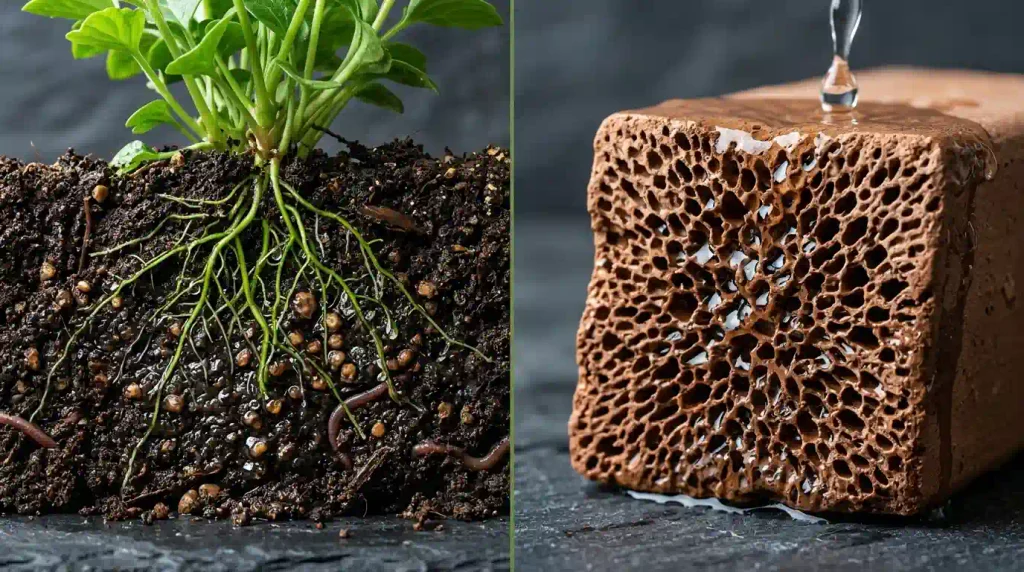
Moisture Rehydration (Noun Phrase) — US / UK: /ˈmɔɪstʃər ˌriːhaɪˈdreɪʃən/
Meaning: Moisture rehydration refers to restoring water or moisture to something that has become dry.
Tone/Register: Technical, skincare, descriptive
Example: The treatment focuses on moisture rehydration for dry skin.
Its formula is intended to support moisture recovery after dryness.
Synonyms by Tone:
Choosing the right word matters because synonyms do not always carry the same register.
Positive
- Hydration
- Rehydration
- Hydrating
- Moisture replenishment
- Moisture restoration
- Water replenishment
These words often suggest care, recovery, freshness, or well-being. Therefore, they work well in wellness, fitness, and skincare writing.
Neutral
- Fluid intake
- Water intake
- Liquid intake
- Drinking fluids
- Water consumption
- Fluid balance
- Water balance
- Hydrated
- Moistening
These options are useful for everyday conversation and straightforward explanations.
Formal or Technical
- Fluid replacement
- Fluid replenishment
- Fluid restoration
- Fluid consumption
- Water restoration
- Humidification
- Irrigation
- Water absorption
- Hydration maintenance
- Fluid provision
Such terms fit academic, medical, scientific, agricultural, or professional writing. However, they can sound unnatural in casual conversation.
Playful or Informal
There are fewer true playful synonyms for hydration. Instead, casual speakers usually use phrases such as drinking water, getting enough fluids, or staying hydrated.
Hydration vs Close Alternatives
| Term | Main Meaning | Best Use |
|---|---|---|
| Hydration | Supplying or maintaining enough water | General health and everyday writing |
| Rehydration | Restoring water after fluid loss | Recovery, exercise, illness |
| Fluid intake | Amount of liquid consumed | Medical, academic, everyday contexts |
| Fluid replacement | Replacing fluids that were lost | Sports and medical contexts |
The key difference is simple. Hydration is the broadest term.
Meanwhile, rehydration usually implies that water was lost first. Fluid intake focuses on how much liquid is consumed, while fluid replacement emphasizes restoring lost fluids.
How Hydration Changes by Context
Daily Conversation
In casual speech, hydration, water intake, drinking fluids, and staying hydrated sound natural.
For example, a friend might say, “Make sure you drink some water.” In this situation, a highly technical phrase such as “fluid restoration” would sound unnecessarily formal.
Writing and Blogging
Bloggers can use hydration, fluid intake, water consumption, and rehydration depending on the topic.
For instance, a fitness article may use “rehydration” after discussing exercise. Similarly, a general wellness article may prefer “hydration” because it is familiar and easy to understand.
Professional or Academic Writing
Academic and professional writers often need more precise terminology. Fluid balance, fluid replacement, fluid consumption, and water balance can provide that precision.
However, terminology should match the subject. A scientific word is not automatically a better synonym.
Creative or Informal Use
Creative writing can use simple phrases such as drinking water, getting fluids, or staying hydrated.
Instead, a poetic description might focus on “restoring moisture” or “quenching thirst,” although these are not exact synonyms in every context.
Common Mistakes Learners Make
One common mistake is treating every water-related expression as a direct synonym for hydration. Thirst, for example, is not the same as hydration. Thirst is the desire or sensation that can encourage someone to drink.
Another mistake is using irrigation for people. Irrigation normally describes supplying water to land, crops, or plants. Therefore, saying “I need irrigation after my workout” is incorrect.
Learners can also confuse rehydration with ordinary hydration. Rehydration suggests restoring fluids after a loss, while hydration has a broader meaning.
Finally, avoid using highly technical terms in casual situations. “Fluid intake” may be accurate, but “how much water you drink” can sound much more natural in everyday speech.
Native Usage
Native speakers usually choose the simplest phrase that communicates the intended meaning.
For example, “Drink more water” sounds natural in daily conversation. Hydration is more common when discussing health, exercise, wellness, or general advice.
In medical writing, however, precise terms such as fluid balance or fluid replacement may be preferable.
Register Notes
Informal: drinking water, getting enough fluids, staying hydrated
Neutral: hydration, water intake, fluid intake, water consumption
Formal: fluid replenishment, fluid restoration, fluid provision
Technical: fluid balance, water balance, humidification, irrigation, water absorption
For related vocabulary, an internal article on synonyms and alternatives can help you compare register and word choice across different topics.
Real-Life Mini Scenarios
Workplace
An employee is preparing for a long outdoor workday. The supervisor reminds everyone to bring enough water and maintain good hydration.
Social Situation
A friend feels tired after spending several hours outside. Another friend suggests drinking water and getting some fluids before continuing the outing.
Media and Pop Culture
Fitness influencers often discuss hydration as part of workout routines. Their language usually favors simple expressions such as “stay hydrated” and “drink enough water.”
Writing and Storytelling
A writer describing a desert journey might mention dry air, limited water, and the character’s struggle to maintain hydration. The word quickly communicates the physical challenge.
Why Synonym Choice Matters
Synonyms are useful because they let you express the same general idea with greater precision.
For example, hydration is broad. Rehydration adds the idea of recovery. Fluid intake emphasizes consumption. Fluid balance highlights the relationship between fluid entering and leaving the body.
Therefore, replacing a word mechanically is not always the best strategy. First, identify the exact idea you want to communicate. Then choose the term that expresses that idea naturally.
This approach is especially useful for students and content writers. It makes essays, articles, emails, and explanations more varied without sacrificing accuracy.

Interactive Practice Quiz
Choose the best answer for each situation.
1. After a marathon, an athlete needs to restore lost fluids. Which word fits best?
A. Humidification
B. Rehydration
C. Irrigation
D. Wetting
2. A doctor asks how much liquid a patient drinks each day. Which term is most suitable?
A. Fluid intake
B. Moisture restoration
C. Irrigation
D. Dampening
3. A farmer supplies water to crops during a dry season. Which term is correct?
A. Rehydration
B. Fluid balance
C. Irrigation
D. Hydrated
4. A skincare writer wants to describe a cream that adds moisture to dry skin. Which phrase fits best?
A. Moisture replenishment
B. Water consumption
C. Fluid replacement
D. Fluid intake
5. Which term is most natural in a casual conversation about drinking enough water?
A. Fluid provision
B. Staying hydrated
C. Fluid restoration
D. Water absorption
6. A researcher measures how much water participants drink. Which phrase is most precise?
A. Water consumption
B. Wetting
C. Humidification
D. Moistening
7. A medical team monitors fluids entering and leaving a patient’s body. Which term fits?
A. Watering
B. Fluid balance
C. Moisture restoration
D. Watering
8. A person drinks water after becoming dehydrated from exercise. Which term describes the process?
A. Rehydration
B. Humidification
C. Irrigation
D. Dampening
9. A device adds moisture to dry indoor air. What is this process called?
A. Fluid replacement
B. Humidification
C. Rehydration
D. Water intake
10. Which phrase focuses specifically on the amount of water someone drinks?
A. Water intake
B. Moistening
C. Water absorption
D. Fluid restoration
11. Which term is more formal and suitable for sports or medical writing?
A. Drinking fluids
B. Fluid replacement
C. Getting a drink
D. Having some water
12. A towel takes water into its material. Which term describes this process?
A. Water absorption
B. Hydration maintenance
C. Water balance
D. Fluid intake
13. Which word describes supplying water to plants?
A. Watering
B. Rehydration
C. Fluid consumption
D. Fluid balance
14. Which phrase describes maintaining adequate fluid levels over time?
A. Hydration maintenance
B. Wetting
C. Dampening
D. Moistening
15. Which term is best for a scientific discussion of water levels in the body?
A. Water balance
B. Drinking water
C. Getting fluids
D. Watering
Reflection Task
Write one sentence using hydration, rehydration, fluid intake, or another synonym from this article. Make the sentence fit a real-life situation.
Answer Key
1. B, 2. A, 3. C, 4. A, 5. B, 6. A, 7. B, 8. A, 9. B, 10. A, 11. B, 12. A, 13. A, 14. A, 15. A
FAQs
1. What is the best synonym for hydration in everyday English?
The most natural alternative depends on the sentence. Staying hydrated, drinking water, and water intake are common in everyday English. If you are talking about restoring fluids after exercise or illness, rehydration is more precise. For general health writing, however, hydration remains the simplest and most widely understood choice.
2. What is another word for hydration in medical writing?
In medical writing, useful alternatives include fluid intake, fluid replacement, fluid replenishment, fluid balance, and rehydration. The best term depends on the clinical situation. For example, fluid intake describes consumption, while fluid balance focuses on fluid entering and leaving the body. Therefore, medical writers should select the term that matches the exact process.
3. Is rehydration the same as hydration?
Not exactly. Hydration is the broader term for supplying or maintaining adequate water or fluids. Rehydration specifically suggests restoring fluids after they have been lost. For example, drinking water throughout a normal day supports hydration, while replacing fluids after intense exercise can be described as rehydration.
4. What is a professional way to say “drink more water”?
Professional alternatives include increasing water intake, increasing fluid intake, or maintaining adequate fluid consumption. In a workplace or health document, “increase fluid intake” sounds clear and professional. Meanwhile, “drink more water” is shorter and more conversational, so it works better in friendly advice and everyday communication.
5. What is the difference between hydration and fluid intake?
Hydration describes the overall state or process of providing sufficient water to the body. Fluid intake focuses specifically on the liquids a person consumes. Therefore, fluid intake can contribute to hydration, but the two terms are not interchangeable in every sentence. One describes consumption, while the other describes the broader water-related condition or process.
6. What synonym for hydration is best for fitness writing?
Hydration, rehydration, and fluid replacement are strong choices for fitness writing. Use hydration when discussing general water needs. Choose rehydration when discussing recovery after fluid loss. Meanwhile, fluid replacement works well when focusing on replacing fluids lost through sweating or intense physical activity.
7. Can hydration be used for skincare and beauty?
Yes. In skincare, hydration commonly describes adding or maintaining water in the skin. Words such as moisture replenishment, moisture restoration, and hydrating can also be useful. However, hydration and moisturization are not always identical concepts. Hydration generally concerns water content, while moisturization often refers to helping the skin retain moisture.
8. Which hydration synonym should students use in essays?
Students should choose based on context rather than simply replacing the word. Hydration is suitable for general academic writing. Fluid intake works when discussing the amount of liquid consumed. Rehydration fits recovery after fluid loss. Fluid balance is better for scientific or medical discussions. This precision makes academic writing clearer and more credible.
Conclusion
Learning a synonym for hydration helps you describe water, fluids, moisture, and recovery with greater precision. The right choice makes your English sound clearer and more natural.
Moreover, these alternatives are useful across many areas. Students can improve essays, while bloggers and writers can avoid unnecessary repetition in useful, readable content.
In daily communication, simple phrases often work best. However, professional and academic situations may require terms such as fluid intake, rehydration, or fluid balance.
Finally, practice these words in emails, essays, notes, and everyday conversations. The more naturally you use them, the stronger and more flexible your vocabulary becomes.

Shahzeena Shazadi is the founder and lead writer at VocablyHub.com, where she creates accurate, reader-focused English language content designed to help people communicate with clarity and confidence. She specializes in synonyms, antonyms, word meanings, idioms, and practical vocabulary guides that simplify complex language concepts for everyday use. Every article is carefully researched, fact-checked, and written in clear, accessible language using reliable references and real-world examples. Her goal is to provide helpful, trustworthy content that supports learners at every stage of their English language journey.
Her editorial approach focuses on accuracy, transparency, and user value while following modern content quality standards. She regularly reviews and updates content to keep information relevant, useful, and easy to understand. Through VocablyHub.com, Shahzeena Shazadi is committed to publishing reliable language resources that help students, writers, educators, professionals, and English learners expand their vocabulary, improve their writing skills, and communicate with confidence in academic, professional, and everyday situations.